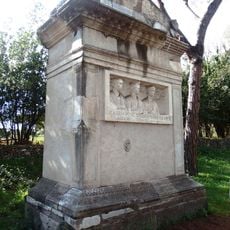
Mausoleum of Gallienus, Roman mausoleum in Ciampino, Italy
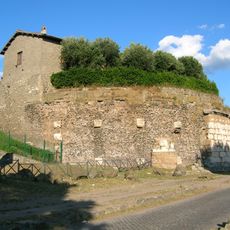
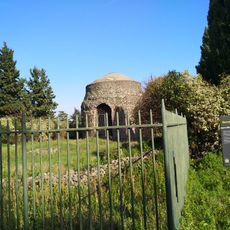
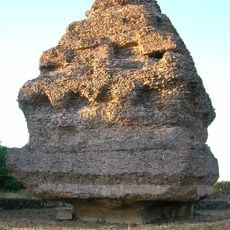
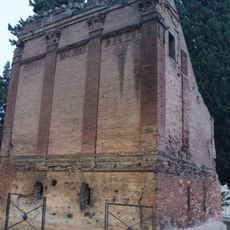
The Mausoleum of Gallienus is a circular brick structure with multiple openings set into both interior and exterior walls. The niches were arranged to accommodate several burials and show the technical skill of Roman builders.
The mausoleum is identified as the tomb of Emperor Gallienus, who died in 268, because the Epitome de Caesaribus places the burial of Flavius Severus, killed in 307, in the same tomb at the ninth mile of the Appian Way. The brick monument, originally faced with marble, stood on a circular base about 13 metres in diameter. In the 18th century Gavin Hamilton excavated the Palombaro estate, yielding sculptures now dispersed among museums and private collections.
The monument reflects how wealthy Romans built grand tombs along main roads outside the city to honor their dead. Visitors today can see the niches carved into the walls where cremated remains or memorial plaques were once placed.
The site sits along the ancient Appian Way south of Rome and requires advance planning to visit, as it is part of an archaeological zone. Booking a guided tour helps you learn about the construction methods and layout of the structure.
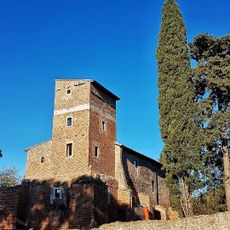
The mausoleum is also known as the Torraccio del Palombaro, after the Palombaro estate it belonged to. In the 18th century Gavin Hamilton dug in the area and sculptures came to light, now scattered among museums and private collections; they may come from the emperor's villa, near which his tomb was built.
The community of curious travelers
AroundUs brings together thousands of curated places, local tips, and hidden gems, enriched daily by 94,487 contributors worldwide.