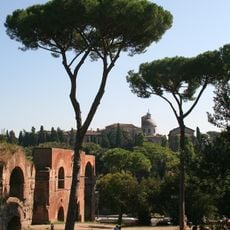
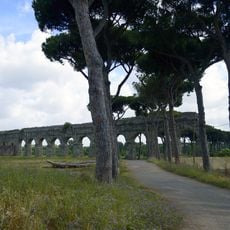
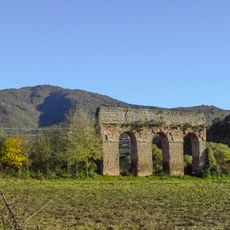
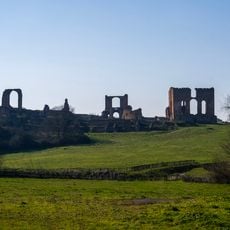
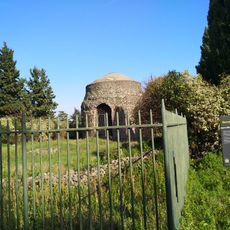
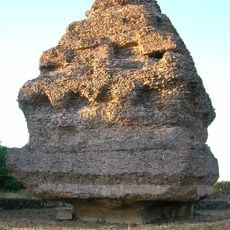
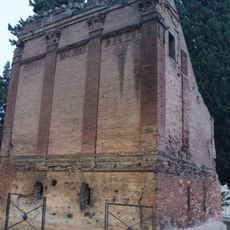
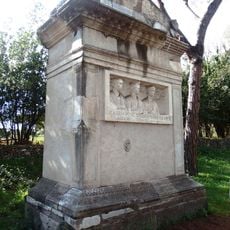
Casal Rotondo, Ancient Roman mausoleum on Via Appia Antica, Rome, Italy.
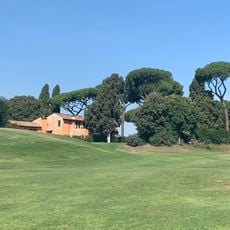
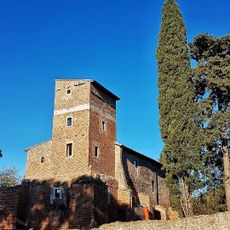
Casal Rotondo is the largest surviving circular ancient Roman mausoleum on the Appian Way, about 27 metres in diameter, at roughly the sixth mile southeast of Rome. It was built around 30 BCE with a conical roof, a frieze of griffins and seating around its base. A small medieval farmhouse, later turned into a villa, stands on top.
Casal Rotondo was built around 30 BCE at the sixth mile of the Appian Way. In the mid-18th century Luigi Canina read the name "COTTA" on an inscription found nearby and attributed the tomb to Marcus Aurelius Cotta Maximus Messalinus, son of Marcus Valerius Messalla Corvinus. Today archaeologists dispute this and link the fragment to a smaller tomb on the site.
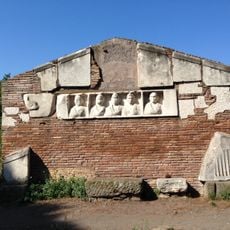
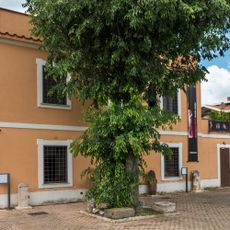
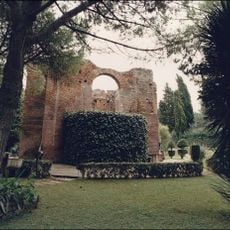
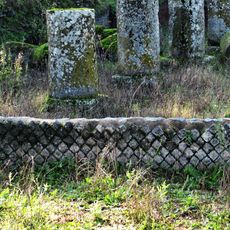
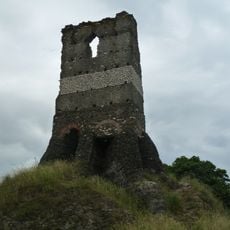
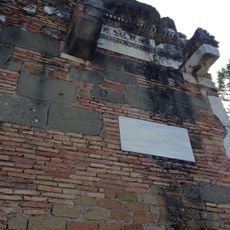
The name comes from the medieval casale, a farmhouse the Savelli family built on top of the tomb and used as a watchtower in their system of towers along the Appian Way. The farmhouse was later converted into a villa. Near the mausoleum, Luigi Canina (1795–1856) put up a brick screen wall to display marble fragments found in the area.
The site is located along Via Appia Antica and is accessible by bus lines 118, 520, 654, 664, 789, C11, and N26, which stop at Capannelle/Appia Nuova station. Comfortable shoes are recommended as the area requires walking to explore the site and the ancient road surroundings.
A medieval farmhouse was built atop the ancient monument, including a watchtower that once belonged to the Savelli family's defensive system. This layering of different historical periods makes the site a rare example of how Roman and medieval structures coexist in one place.
The community of curious travelers
AroundUs brings together thousands of curated places, local tips, and hidden gems, enriched daily by 92,632 contributors worldwide.