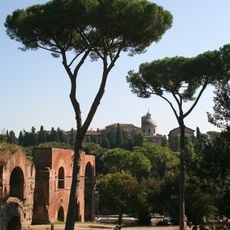
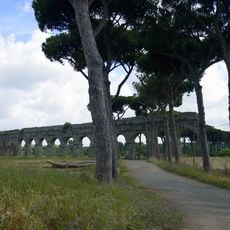
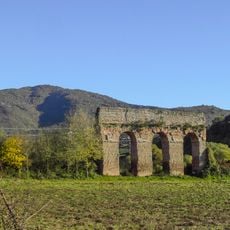
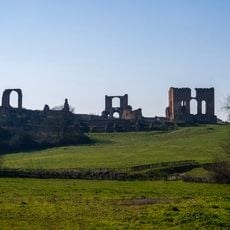
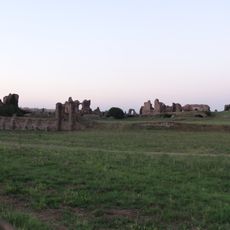
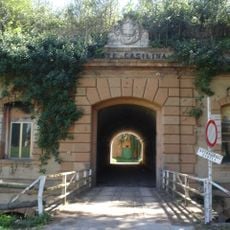
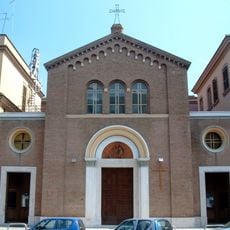
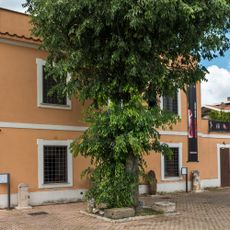
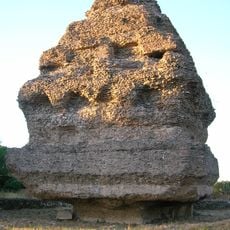
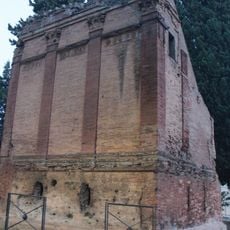
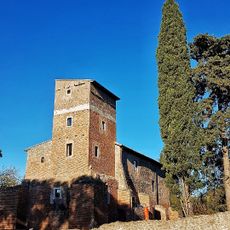
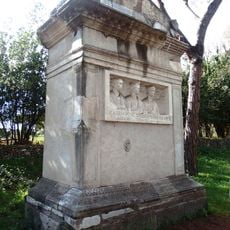
Anio Novus, Ancient Roman aqueduct in Parco degli Acquedotti, Italy.
The Anio Novus is an ancient Roman aqueduct built to carry water across the countryside to Rome. The structure features distinctive arches and underground channels, with some sections still visible today.
Construction began under Emperor Caligula around 38 AD and was completed under Emperor Claudius around 52 AD. This water system was one of Rome's major infrastructure projects designed to supply the expanding city.
The aqueduct demonstrates Roman engineering precision through its gradient design, moving water across long distances at 30 centimeters per kilometer.
The site is located in a public park that can be explored on foot. The best time to visit is in the morning or on cooler days, particularly during autumn and winter.
Much of the aqueduct runs underground and remains invisible, but at certain points the impressive stone arch structures emerge above ground. These hidden channels remind visitors that ancient Romans relied on engineering ingenuity to move water across such distances.
The community of curious travelers
AroundUs brings together thousands of curated places, local tips, and hidden gems, enriched daily by 60,000 contributors worldwide.