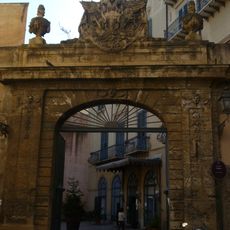
Palazzo Tomasi di Lampedusa, Aristocratic palace in Kalsa, Palermo, Italy
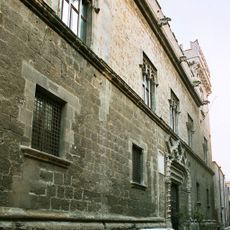
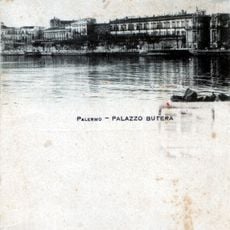
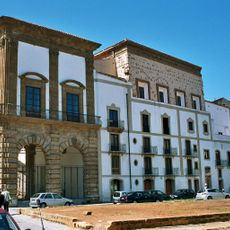
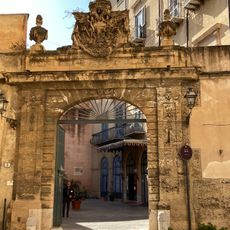
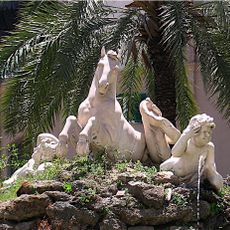
Palazzo Tomasi di Lampedusa is a 17th-century patrician palace on the Mura delle Cattive in Palermo's Kalsa district, with its entrance on via Butera and a facade of twelve windows facing the Foro Italico. It has four levels, three above the ground floor, and a single piano nobile on the sea side, topped by a roof garden with a fountain and Mediterranean and subtropical plants.
The palace was built in the 17th century and served in the 18th century as a school for young aristocrats run by the Theatine order. After that period ended, it returned to family ownership and has remained tied to the Tomasi name ever since.
The palace takes its name from the Tomasi di Lampedusa family, and is closely linked to Giuseppe Tomasi di Lampedusa, the author of the novel "The Leopard." The rooms where he spent much of his life give visitors a sense of the world that shaped his writing.
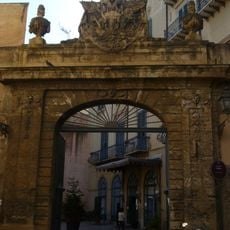
The palace stands on the Mura delle Cattive, with its entrance on via Butera in the Kalsa district, next to the Hotel Trinacria. The piano nobile, now the writer's house museum, is reached by a monumental marble staircase; the top floor holds the Butera 28 Apartments. The sea-facing terrace is a roof garden with a fountain.
The ballroom holds the complete manuscript of The Leopard, a typescript, and a page of the fourth part that was left out of the published novel, alongside drafts of the French and English literature lectures. A small painting by Domenico Provenzani shows the family of Giulio Tomasi, the "holy duke".
The community of curious travelers
AroundUs brings together thousands of curated places, local tips, and hidden gems, enriched daily by 94,018 contributors worldwide.