Archaeological park of Venosa, archaeological area in Venosa, Italy
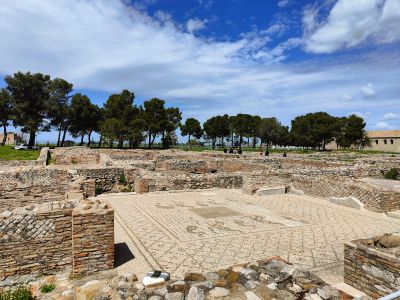
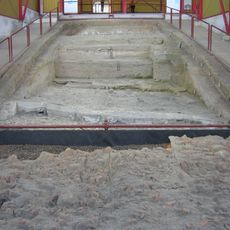
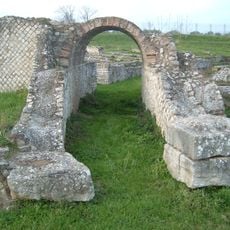
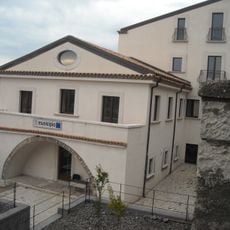
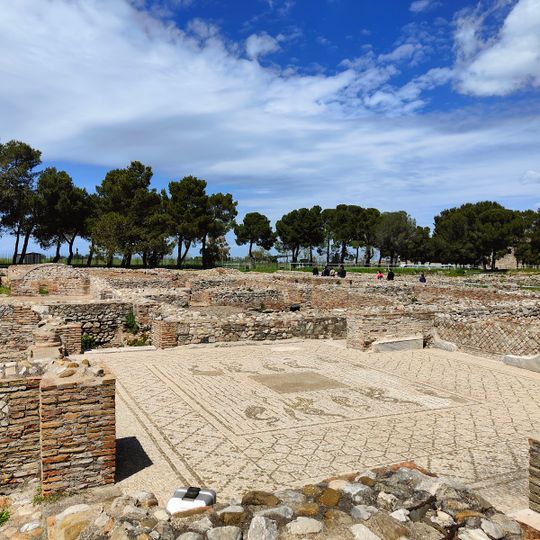
The archaeological park of Venosa is an open-air museum with remains from an ancient Roman colony founded over 2000 years ago. The site contains ruins of residential homes with floor mosaics, thermal baths from the first century, roads, medieval religious structures, and an unfinished church with partially constructed stone walls.
Venosa was founded in 291 BC as a Latin colony and became an important Roman center. The layers of the site show continuous development from the early republican period through the medieval age, including Christian and Benedictine structures from the Norman era.
The site reveals how residents decorated their homes and organized their daily lives across different periods. The mosaics inside the Roman houses show scenes and patterns that mattered to the people who lived here, offering insight into their tastes and values.
The grounds feature uneven surfaces with old stones and cobblestones, so comfortable footwear is essential. The park is open during daytime hours and can be explored on foot at your own pace. Late afternoon is a pleasant time to visit, offering softer light and fewer crowds.
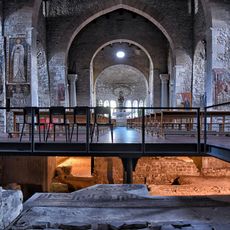
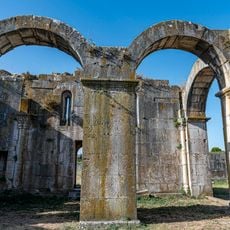
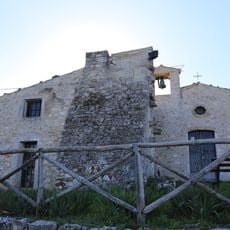
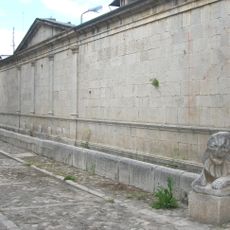
A distinctive feature is the Unfinished Church, where construction was abandoned mid-project, leaving walls that reveal how medieval builders reused stones from earlier Roman structures. This incomplete building offers rare insight into construction techniques and material reuse from that period.
The community of curious travelers
AroundUs brings together thousands of curated places, local tips, and hidden gems, enriched daily by 92,158 contributors worldwide.