Belgian pavilion, National pavilion in Giardini della Biennale, Venice, Italy
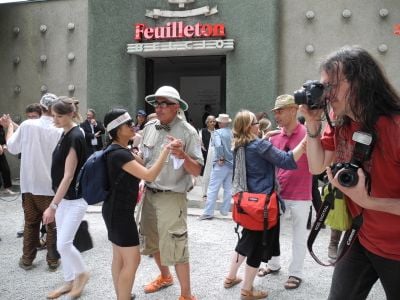
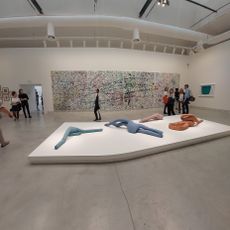
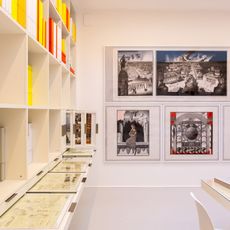
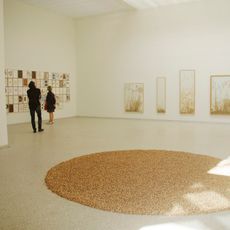
The Belgian pavilion is an exhibition building within the Giardini della Biennale designed specifically for displaying contemporary artworks. It contains gallery spaces where rotating exhibitions showcase works from Belgian and international artists.
The pavilion was built in 1907 by architect Léon Sneyers and became the first international structure in the Giardini, with Art Nouveau elements and design influences from Josef Hoffmann. In the mid-1990s it underwent a major renovation that transformed it into a minimalist white cube gallery.
The pavilion serves as Belgium's main stage for showing contemporary art during the Venice Biennale, drawing visitors interested in Belgian creative work. The exhibitions rotate regularly and give local artists a chance to reach an international audience.
The pavilion can be visited during the Venice Biennale exhibition periods, with access coordinated to match the event schedule. Plan to visit when the Biennale is open to see the current exhibitions in their intended context.
This was the first international pavilion ever built in the Giardini, marking a turning point in how the Biennale developed as a global event. Its early presence shows how countries began claiming space for national artistic representation on an international stage.
The community of curious travelers
AroundUs brings together thousands of curated places, local tips, and hidden gems, enriched daily by 91,810 contributors worldwide.