Dutch pavilion, National pavilion in Castello district, Italy
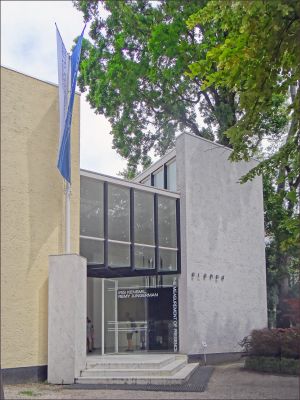
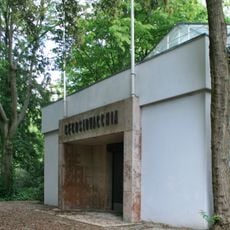
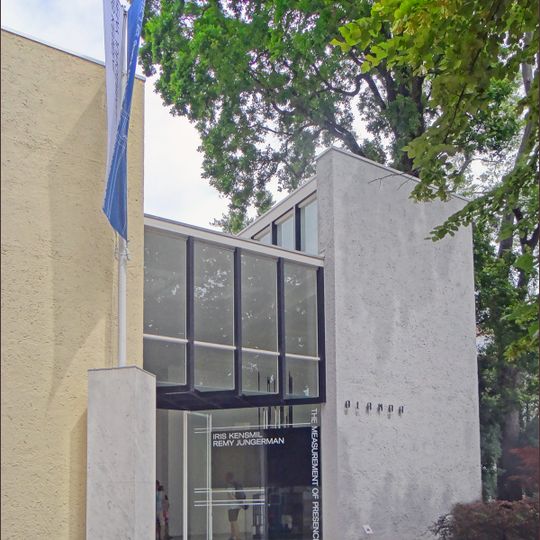
The Dutch Pavilion is an exhibition building in Venice's Castello district, distinguished by white walls, expansive windows, and geometric forms. The structure defines its setting on the Biennale grounds through clean, linear architectural design.
The pavilion was first built in 1912 and later redesigned in 1953 by architect Gerrit Rietveld following Dutch modernist principles. This rebuilding shaped its current form and design approach.
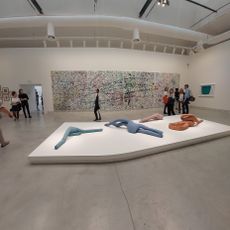
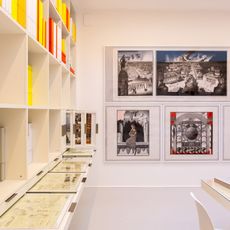
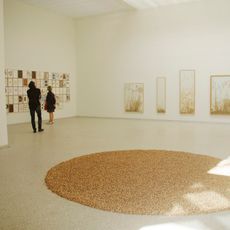
The pavilion serves as an exhibition space for Dutch contemporary art during the Venice Biennale, presenting works by artists from the Netherlands. Visitors can experience how these creators use this international platform to share their artistic practice.
The pavilion is accessible during the Biennale from Tuesday through Sunday with no entrance fees. It is helpful to check the specific opening hours before your visit, as these may vary depending on the exhibition year.
The building was designed by Gerrit Rietveld, one of the most influential Dutch designers of the 20th century, giving this place special architectural importance. His work in Venice remains an example of modernist clarity and functional design.
The community of curious travelers
AroundUs brings together thousands of curated places, local tips, and hidden gems, enriched daily by 91,438 contributors worldwide.