Museo Opificio Rubboli, Ceramics museum in Gualdo Tadino, Italy
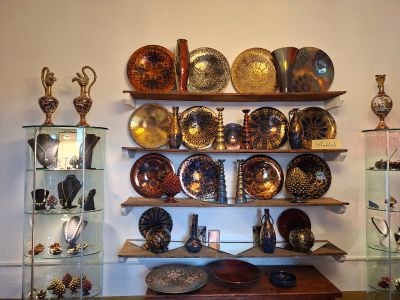
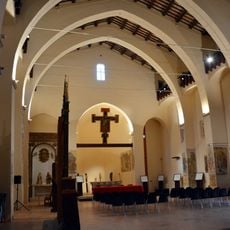
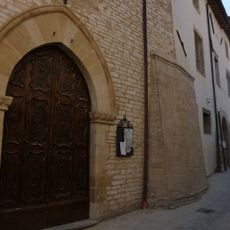
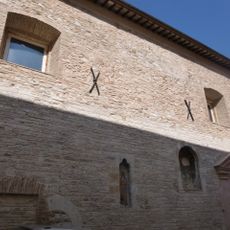
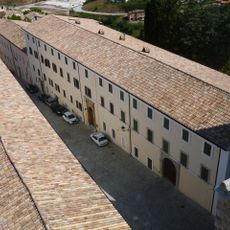
Museo Opificio Rubboli is a ceramics museum in Gualdo Tadino, Umbria, housed in a 19th-century factory building that once served as a working pottery. Its four rooms follow the steps of ceramic production, from shaping raw clay to decorating and firing finished pieces.
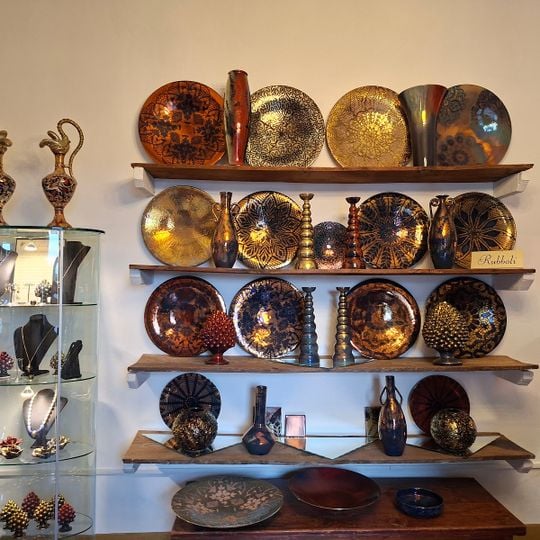
Paolo Rubboli moved to Gualdo Tadino in 1875 and worked in the former convent of San Francesco for Marcello Galli Dunn; the partnership ended the next year and Rubboli took over the activity. In 1882 the lease was terminated and the workshop moved to Via del Reggiaro, where the kilns and family house were built between 1882 and 1884. The museum opened in 2015; its creation was promoted by Maurizio Tittarelli Rubboli, grandson of Lorenzo, from whose collection the lustreware on display comes.
The lustreware tradition has long been part of daily life in Gualdo Tadino, and this museum shows how one family kept that craft going across generations. Visitors can see the tools, glazed pieces, and kiln rooms that were still in active use not long ago.
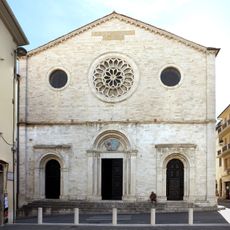
The museum is on Via Giuseppe Discepoli in the center of Gualdo Tadino, easy to reach on foot from the main square. Opening hours can vary by season, so checking ahead before visiting is a good idea. A combined ticket with other local museums is available.
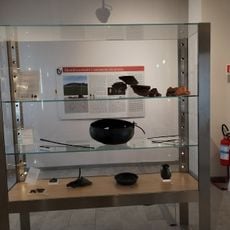
The muffola kilns were built following the drawing of Cipriano Piccolpasso, the Renaissance treatise writer whose 1558 manual describes the firing chambers. The original production apparatus survives in place: lathes, vats, shelves, kilns, moulds, tools, oxides and pigments, an environment of about 150 years ago. The exhibition rooms are the very rooms where the museum's ceramics were made.
The community of curious travelers
AroundUs brings together thousands of curated places, local tips, and hidden gems, enriched daily by 94,408 contributors worldwide.