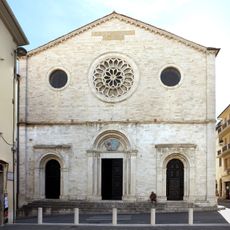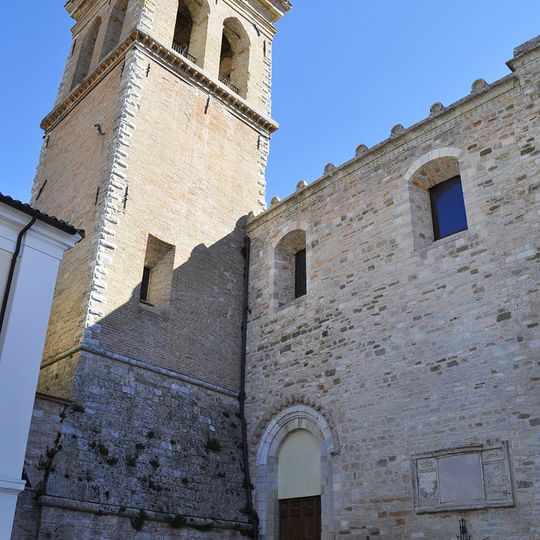
Duomo of Nocera Umbra, Romanesque cathedral in Nocera Umbra, Italy
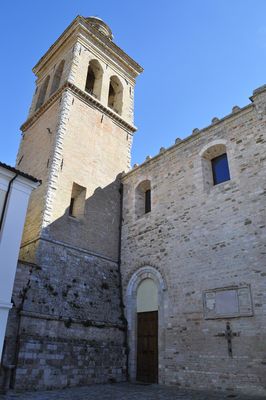
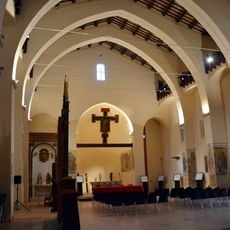
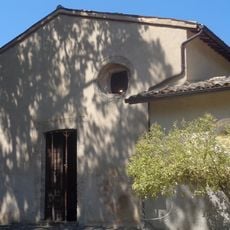
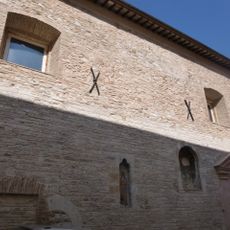
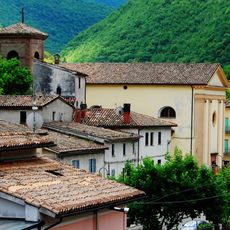
The Duomo of Nocera Umbra is a Romanesque cathedral with a single nave, rounded arches, and a semicircular apse, sitting in the old town of Nocera Umbra in Umbria. In the 19th century, neoclassical elements were added to the interior, giving the building a mixed appearance that still reflects its long construction history.
The cathedral stands on foundations that predate the year 1000 and was destroyed by Emperor Frederick II in 1248, after which it remained in ruins for two centuries. Reconstruction began in 1448, and the building took the shape it has today over the following decades.
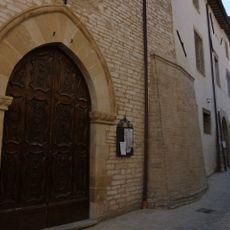
The side entrance portal of the cathedral has stone carvings showing grapes and animals, in a style typical of medieval craft in this part of Umbria. These motifs show how local stone carvers drew from the world around them to decorate a sacred building.
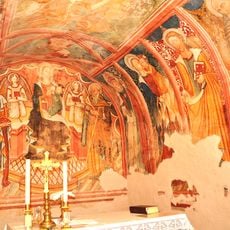
Many of the artworks that once belonged to the cathedral, including Renaissance altarpieces and 17th-century paintings, are now kept in the municipal Pinacoteca next door. Visiting both spaces together gives a fuller sense of what the building once contained.
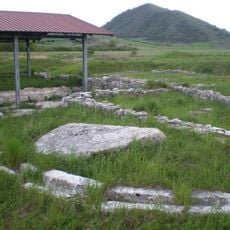
The sacristy floor is covered with handmade majolica tiles from the Renaissance, painted with detailed patterns that are rarely noticed by visitors passing through quickly. There are also signs that the site was used for religious purposes before it became a Christian cathedral, suggesting it has an even older sacred history.
The community of curious travelers
AroundUs brings together thousands of curated places, local tips, and hidden gems, enriched daily by 60,000 contributors worldwide.