Iwajuku Site, Archaeological site in Midori, Japan
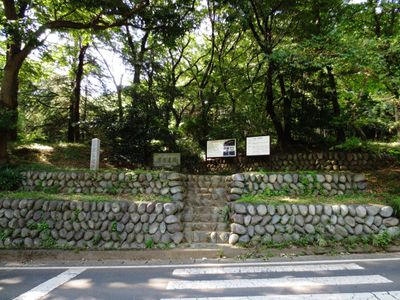
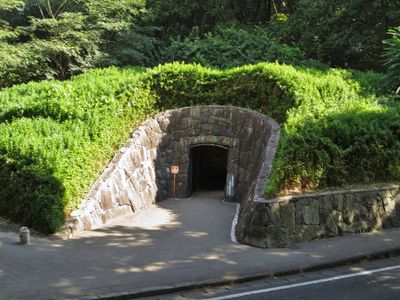
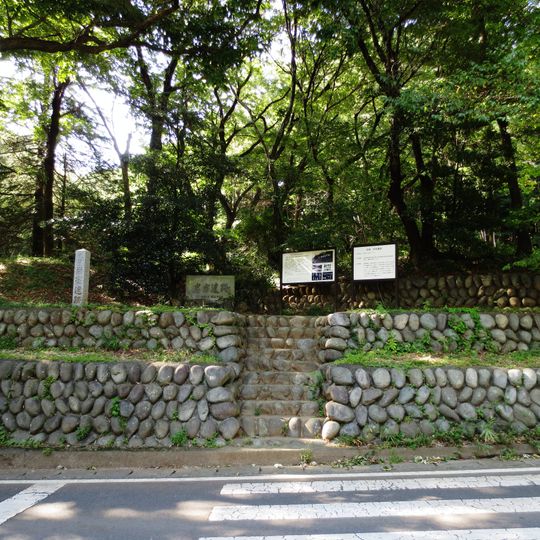
Iwajuku is a Paleolithic site in Midori, Gunma Prefecture, on the Inariyama and Yamadera hills, a low saddle cut by a former town road. Excavations in 1949 named the north side Area A and the south side Area B; Area A revealed two stone-tool layers in the Kanto loam. The site now includes the Iwajuku Museum and the Iwajuku Dome, a covered shelter over the excavation area.
An amateur archaeologist discovered the site in 1946, proving for the first time human settlement in Japan during the Paleolithic period. Later investigations confirmed tools from at least two different time spans separated by several thousand years.
The site sits on a terraced slope, where several excavation zones are protected from weather by covered shelters. Visitors can observe the different soil layers where tools from separate eras were uncovered.
The on-site museum displays geological cross-sections and finds in clear arrangements, with free entry for all visitors. Parking is available directly at the grounds, and pathways between excavation zones are built on level terrain.
Researchers found oval stone axes and plant harvesting tools in a deep dark soil layer, suggesting early use of plant resources. These finds show that people here around 30,000 years ago not only hunted but also deliberately gathered plants.
The community of curious travelers
AroundUs brings together thousands of curated places, local tips, and hidden gems, enriched daily by 94,250 contributors worldwide.