Ōkubo-ji, Buddhist temple in Sanuki, Japan
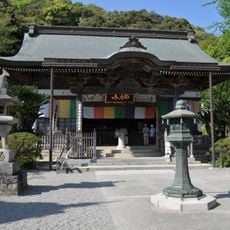
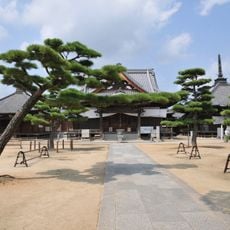
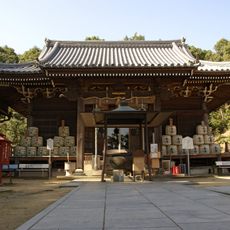
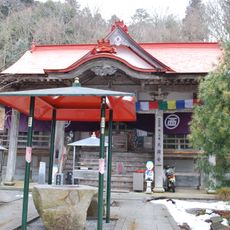
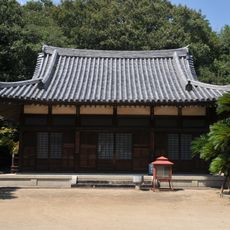
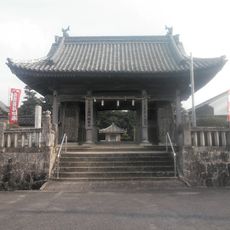
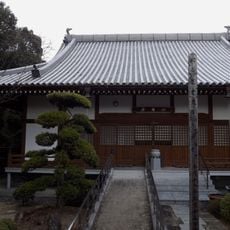
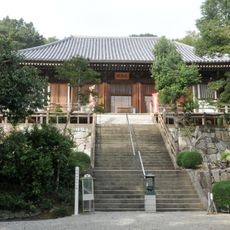
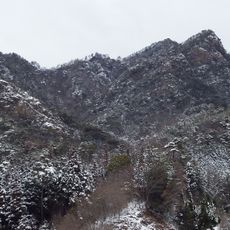
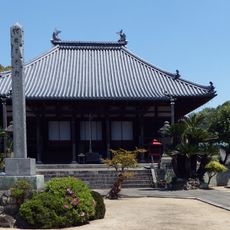
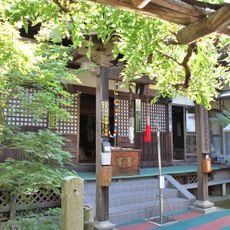
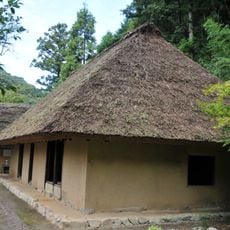
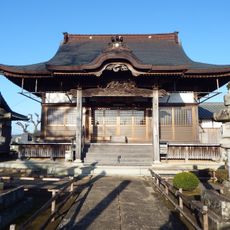
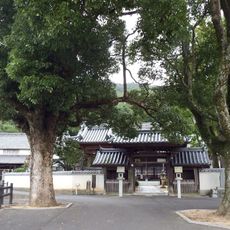
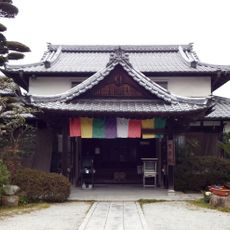
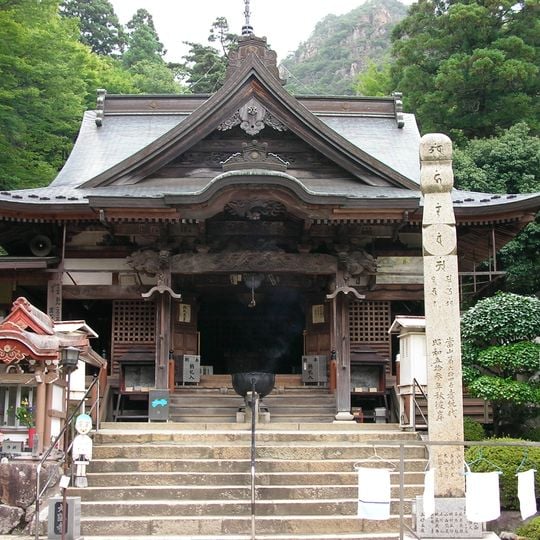
Ōkubo-ji is a Shingon temple on a flattened slope at about 450 m on Mount Nyotai. Its main hall ( Hondō ) has three connected parts: a worship hall, a middle section, and an inner sanctuary in the form of a tahōtō. The temple has two entrances: the wooden Niten-mon, a two-story gate reached by stone steps from the south, and the steel-reinforced Niō-mon, completed in 1990, on the west side.
According to temple tradition, Gyōki founded a grass hut here during the Yōrō era (717–724), and Kūkai later built a hall in the valley hollow and carved a life-size Yakushi Nyorai. The temple declined after medieval fires, was patronized by Takamatsu daimyō Matsudaira Yorishige in the Edo period, and lost most buildings to a 1900 fire, with the Hondō and Daishidō rebuilt soon after.
The temple is the last of the 88 stops, so finishing the circuit here is called kechigan or mangan. The temple's stamp reads "Kechigan-sho", and for a fee staff write out an A3-size certificate of completion. Completed pilgrims' kongō-zue are offered in the Hōjō-dō hall and burned during the sai-tō goma rites held on the spring equinox and Mountain Day.
The temple has parking space for roughly 100 vehicles and sits about 30 minutes by car from Kotoden Nagao Station or 40 minutes from Shido Interchange. Driving is the most practical way to visit, as public transportation options are limited.
The temple bell and pilgrim bells of Ōkubo-ji were chosen by the Ministry of the Environment as one of the 100 Soundscapes of Japan. The Hondō's plaque of Yakushi Nyorai's vow omits the 11th and 12th strokes of the character for medicine, left out by the donor as a prayer.
The community of curious travelers
AroundUs brings together thousands of curated places, local tips, and hidden gems, enriched daily by 93,124 contributors worldwide.