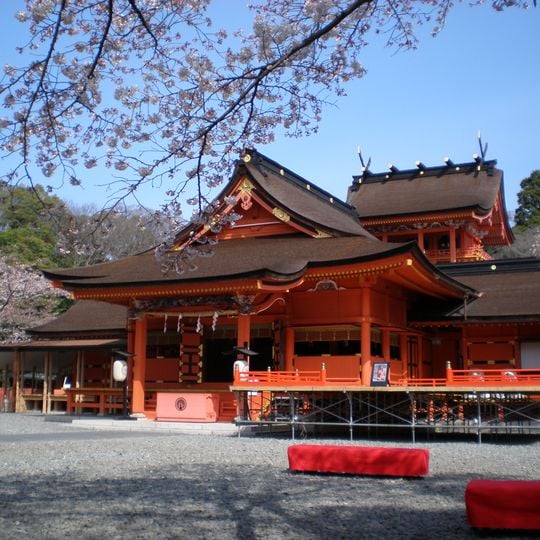
Fujisan Hongū Sengen Taisha, Shinto shrine in Fujinomiya, Japan
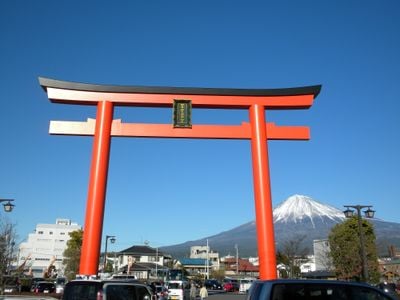
Fujisan Hongū Sengen Taisha is a shrine in Fujinomiya, central Japan, that serves as the head of all Sengen and Asama shrines across the country and is dedicated to Konohanasakuya-hime. The shrine territory extends from the town level all the way up the volcano, claiming the upper reaches of Mount Fuji from the eighth climbing stage onward.
The shrine was founded in 806 during a period of intense volcanic activity to calm the mountain spirits and prevent further eruptions. This place of worship later became the center of a nationwide network of over 1,300 shrines dedicated to Fuji.
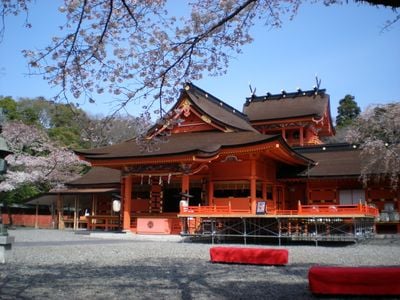
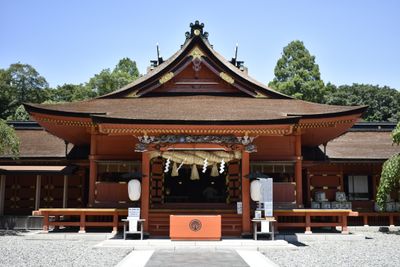
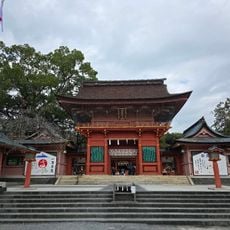
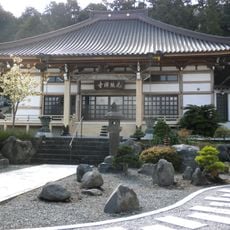
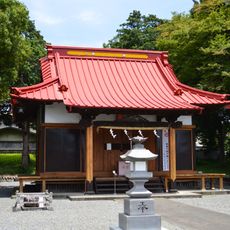
The name Sengen refers to an ancient tradition of volcano worship that visitors can still observe throughout the grounds today. The two-story main hall displays the distinctive architectural style with curved roofs and red pillars that set it apart from other shrines.
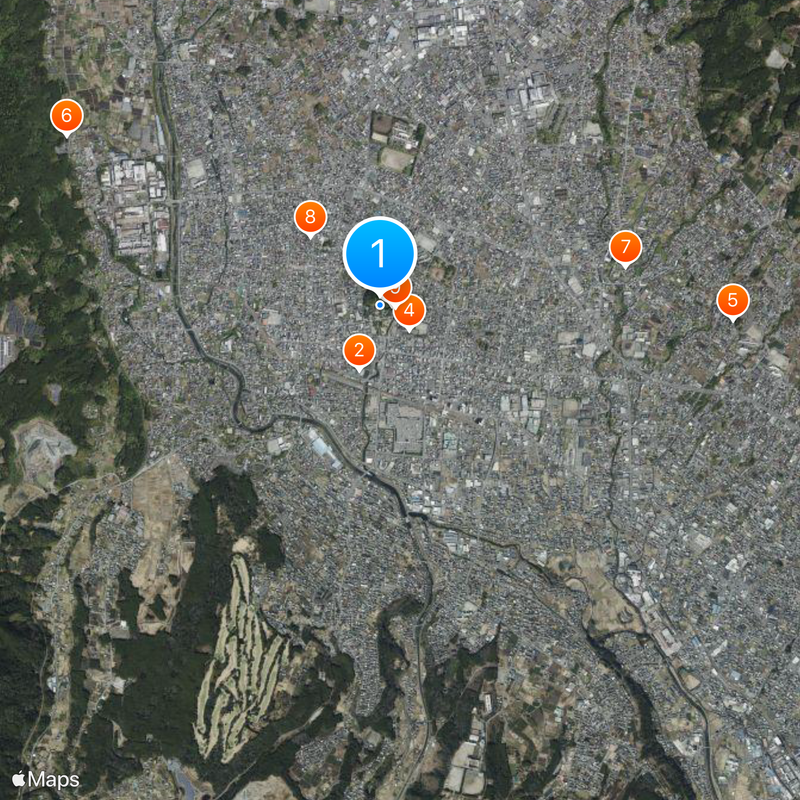
A 15-minute walk from Fujinomiya Station leads to the shrine, though regular bus connections are also available for those who prefer. The grounds remain accessible year-round, but climbing the mountain itself is only practical during summer months.
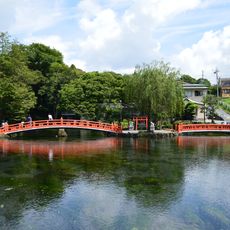
The Wakutama Springs on the grounds are classified as a national natural monument and supply the entire region with water from the mountain. The clear spring water emerges directly from the volcanic rock and forms several small ponds between the buildings.
The community of curious travelers
AroundUs brings together thousands of curated places, local tips, and hidden gems, enriched daily by 60,000 contributors worldwide.