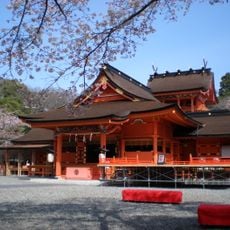
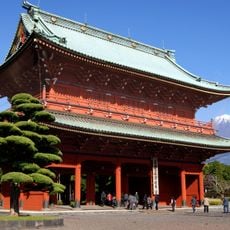
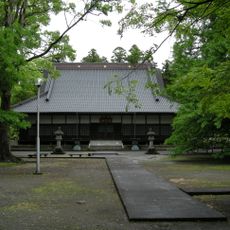
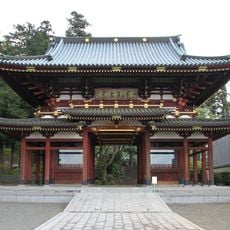
Wakutamaike, Sacred spring and artificial pond at Fujisan Hongu Sengen Taisha shrine, Japan
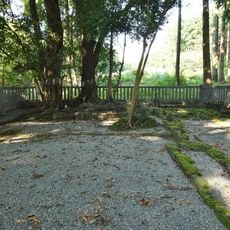
Wakutamaike is an artificial pond at the base of Mount Fuji, fed by an underground volcanic spring. Water flows daily from this natural fissure into a basin that visitors can see and walk around.
The pond was long divided into an upper and lower basin, the lower one feeding the Mitarashi River. A 1280 diary entry by Asukai Masatomo links its water to the Sengen shrine, and a 1608 text records pilgrims washing there before climbing Mount Fuji. It became a Natural Monument in 1944 and a Special Natural Monument in 1952.
The pond's name comes from a Heian-period poem by Taira no Tanemori (?–991) describing bubbles rising from the bottom. Pilgrims purified themselves here before climbing Mount Fuji, a practice shown in surviving Fuji pilgrimage mandalas and recorded in a 1608 text describing worshippers washing at the shrine. The shrine's youth association has long cleared invasive algae to protect the native water crowfoot.
The site is easy to reach on foot and accessible throughout the year in all weather conditions. Pathways around the basin allow you to walk freely and observe the water and surroundings at your own pace.
The spring releases about 300,000 tonnes of water daily at a steady 13°C, and the Kanda River, a first-class river, begins here. The pond's name comes from a Heian-period poem by Taira no Tanemori (?–991) describing bubbles rising from the bottom.
The community of curious travelers
AroundUs brings together thousands of curated places, local tips, and hidden gems, enriched daily by 94,792 contributors worldwide.