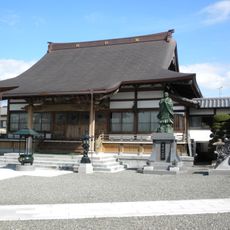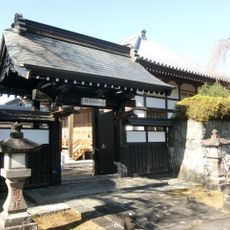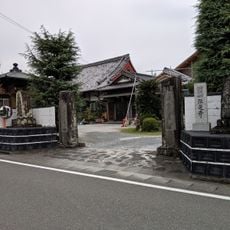
Ōshikakubo ruins, Archaeological site in Fujinomiya, Japan.
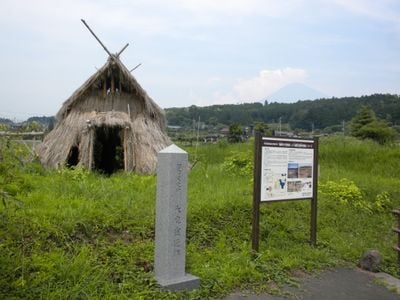
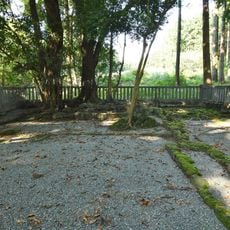
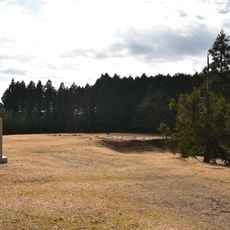
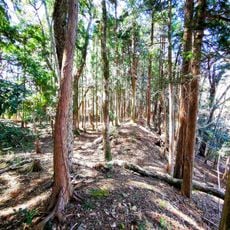
The Ōshikakubo ruins sit on Habuna hill and contain the remains of fourteen pit dwellings arranged in a horseshoe formation with central fire pits. These ancient structures show how people adapted to the local landscape while meeting their basic daily needs.
The settlement originated during the Incipient Jōmon period roughly 12,000 to 15,000 years ago, when people began settling in permanent locations rather than moving seasonally. This period marks a turning point in how humans adapted to their environment in early Japan.
The settlement layout shows how people organized themselves around shared fire pits, suggesting that communal life and family bonds were central to their daily existence. Visitors walking between the pit dwellings can sense the closeness of these ancient communities.
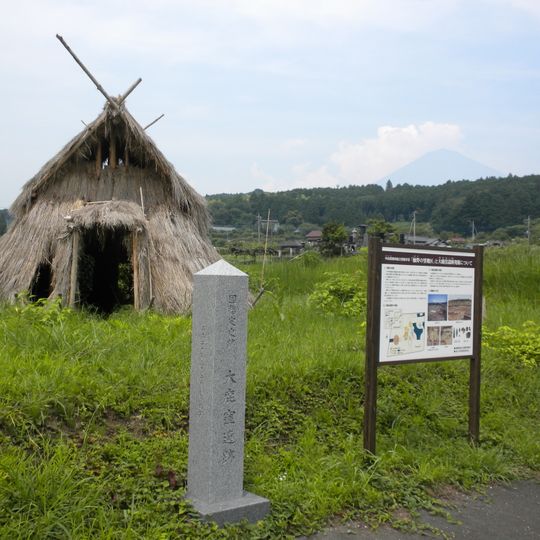
The site is located roughly one kilometer from Fujinomiya Station, making it accessible to visitors without difficulty. A stone marker and information plaque at the location provide explanations about the ancient settlement.
The ruins sit atop distinct lava flows from Mount Fuji, which allows archaeologists to precisely date the structures. This geological feature reveals surprising information about settlement patterns and environmental conditions of that ancient era.
The community of curious travelers
AroundUs brings together thousands of curated places, local tips, and hidden gems, enriched daily by 91,902 contributors worldwide.