Sengo ruins, Archaeological site in Kamijo, Fujinomiya, Japan
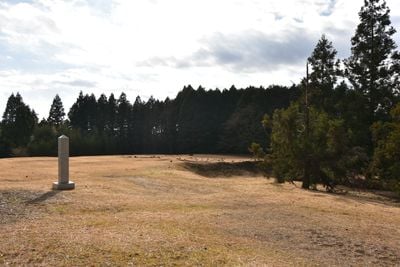
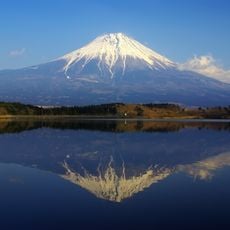
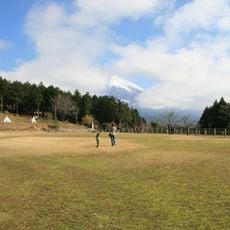
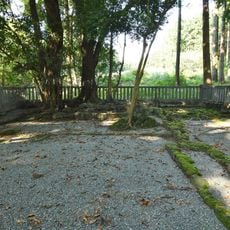
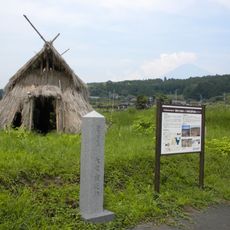
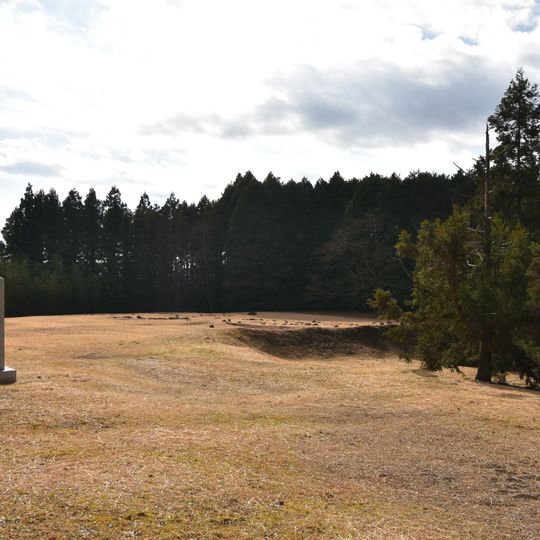
The Sengo ruins are located along a ridge on the southeastern slope of Mount Fuji and contain the remains of around 20 pit dwellings from the early Jomon period. These sunken homes are arranged in circular patterns around a large central plaza, revealing how people lived thousands of years ago.
This settlement was founded during the early to middle Jomon period and was designated a National Historic Site in 1975. Scientific investigation in the 1970s revealed the structure and extent of this ancient community.
The layout shows how people lived together as a group, with dwellings arranged around a central open space. This arrangement suggests that community gatherings and shared activities were central to their way of life.
The site is accessible by public transport, with bus service from Fujinomiya being the most direct option. Wear comfortable shoes since the terrain is hilly and walking is needed to explore the excavated areas.
A massive volcanic eruption from Mount Fuji buried the entire settlement under layers of ash roughly 4000 years ago. This natural sealing paradoxically helped preserve the remains of ancient homes and objects nearly intact to the present day.
The community of curious travelers
AroundUs brings together thousands of curated places, local tips, and hidden gems, enriched daily by 60,000 contributors worldwide.