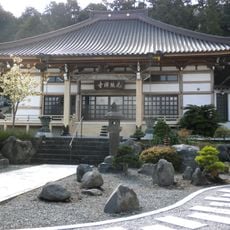
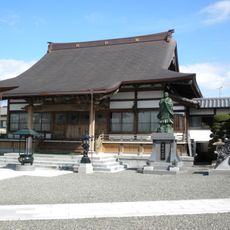
Taiseki-ji, Buddhist temple in Fujinomiya, Japan
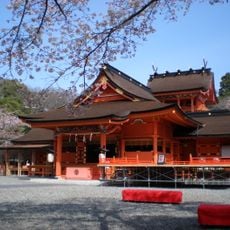
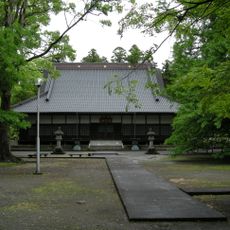
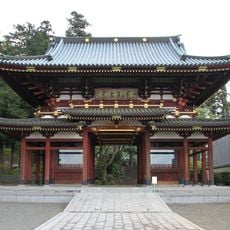
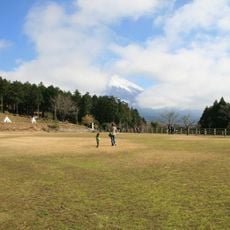
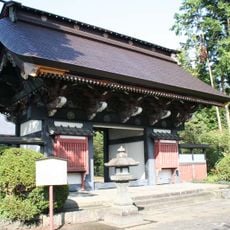
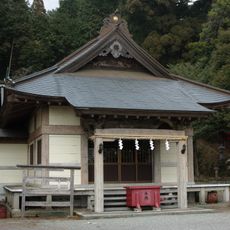
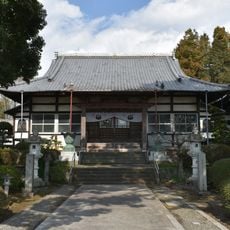
Taiseki-ji is a Buddhist temple in Fujinomiya at the base of Mount Fuji, serving as the head temple of the Nichiren Shoshu school. The grounds hold numerous halls, gates, residential buildings and a five-story pagoda spread over gentle slopes and linked by paved paths.
The monk Nikko founded the temple in 1290 on land donated by a local administrator named Nanjo Tokimitsu. Over the centuries, the site grew through donations and imperial support into a central seat for Nichiren teachings.
Pilgrimage here is called tozan, "climbing the mountain", and only registered Hokkeko believers may make it; Soka Gakkai members were excluded after the 1991 excommunication. The name Taiseki-ji comes from Ōishigahara, the "great stone meadow" where the temple stands. No offertory box is placed anywhere on the grounds, following the doctrine of not accepting alms from non-believers.
Most of the grounds remain open to general visitors, but some ceremonial buildings require registration as a member or accompaniment by one. An early morning or mid-afternoon visit outside peak prayer times offers a quieter experience for exploring the outer areas.
The five-story pagoda was built in 1749, during the tenure of the 31st high priest Nisshin, and its enshrined board mandala was inscribed by him on 28 February of that year. The structure is listed as an Important Cultural Property of Japan.
The community of curious travelers
AroundUs brings together thousands of curated places, local tips, and hidden gems, enriched daily by 94,680 contributors worldwide.