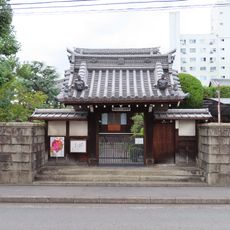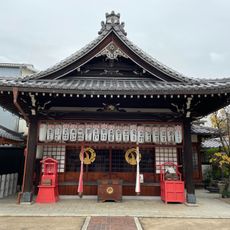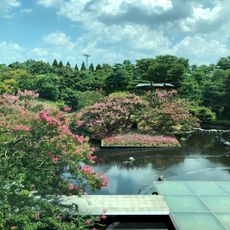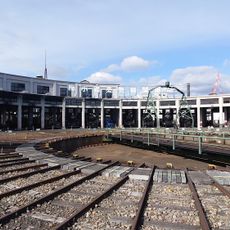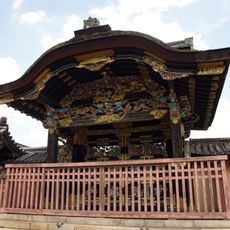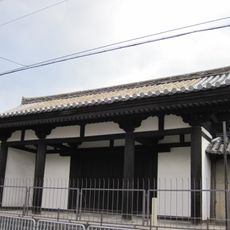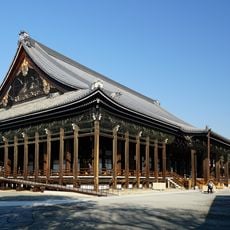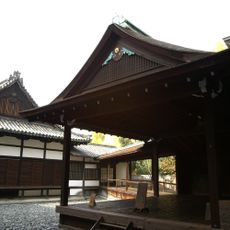
Sai-ji, Buddhist temple ruins in Minami-ku, Kyoto, Japan
Sai-ji was a temple that stood on the western side of Suzaku Avenue, creating a mirror-image arrangement with Tō-ji on the opposite side. The complex contained multiple buildings and courtyards typical of major temple sites from this period.
The temple was founded in 796 when the capital moved to Heian-kyo and was one of only three Buddhist institutions permitted within the city by Emperor Kanmu. Fires in 990 and 1233 led to its permanent abandonment, while its eastern counterpart Tō-ji survived and continued.
The temple embodied the careful control over Buddhist institutions in early Kyoto, with its position marking the capital's spiritual boundary. Its role as a western counterpart to Tō-ji shaped how people understood the relationship between religion and imperial authority.
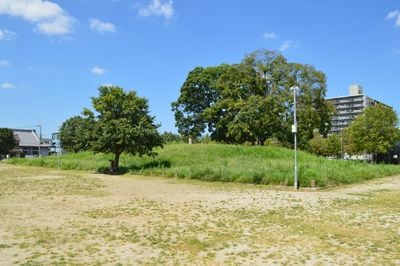
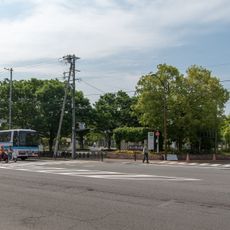
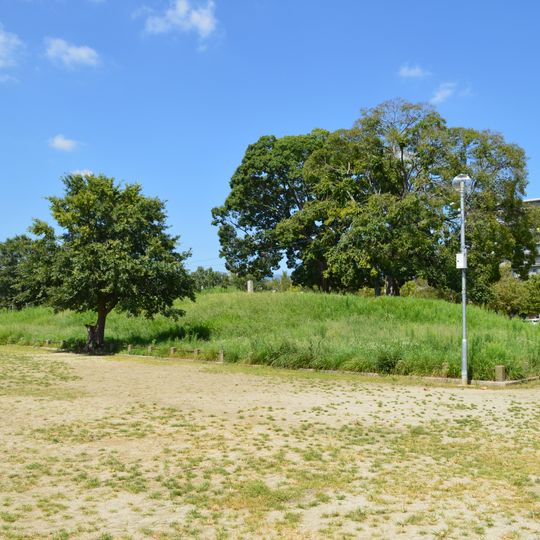
Today the site is a small park at the intersection of Kujo and Senbon streets in Minami-ku, easy to explore on foot. The flat terrain makes it simple to walk through and understand the layout of the former complex.
Unlike its counterpart Tō-ji, which survives to this day, this site was never rebuilt after two devastating fires. The contrast between the fates of these two neighboring temples reveals how chance played a role in which monuments endured.
The community of curious travelers
AroundUs brings together thousands of curated places, local tips, and hidden gems, enriched daily by 90,946 contributors worldwide.