Rokkaku-dō, Buddhist temple in Nakagyō-ku, Japan
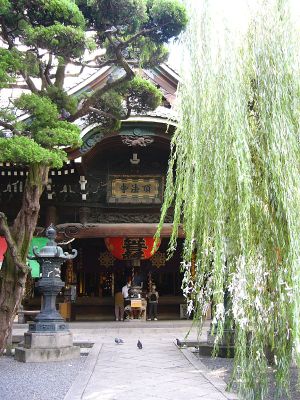
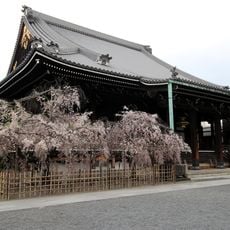
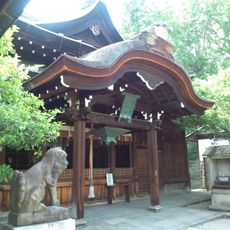
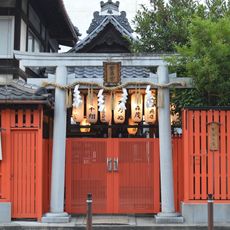
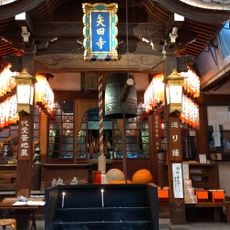
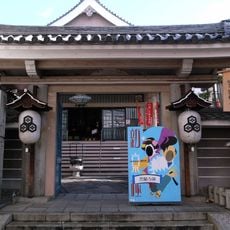
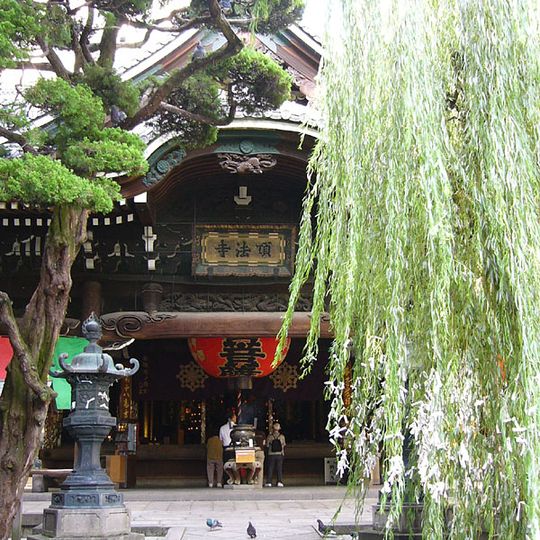
Rokkaku-dō is a Buddhist temple in Nakagyō Ward, Kyoto, built with a hexagonal floor plan and a double-layered roof. The central sanctuary houses Buddhist statues and is surrounded by a landscaped garden featuring a pond.
The temple was founded in 801 by Prince Shōtoku and houses a statue of Nyoirin Kannon believed to have washed ashore at Awaji. Over the centuries, the building has been reconstructed multiple times and has drawn pilgrims from across Japan.
The temple marks the birthplace of Ikenobō flower arrangement tradition, and the Ikenobō family continues to maintain their headquarters within the grounds. Visitors can witness the enduring link between religious practice and the centuries-old art of flower arranging.
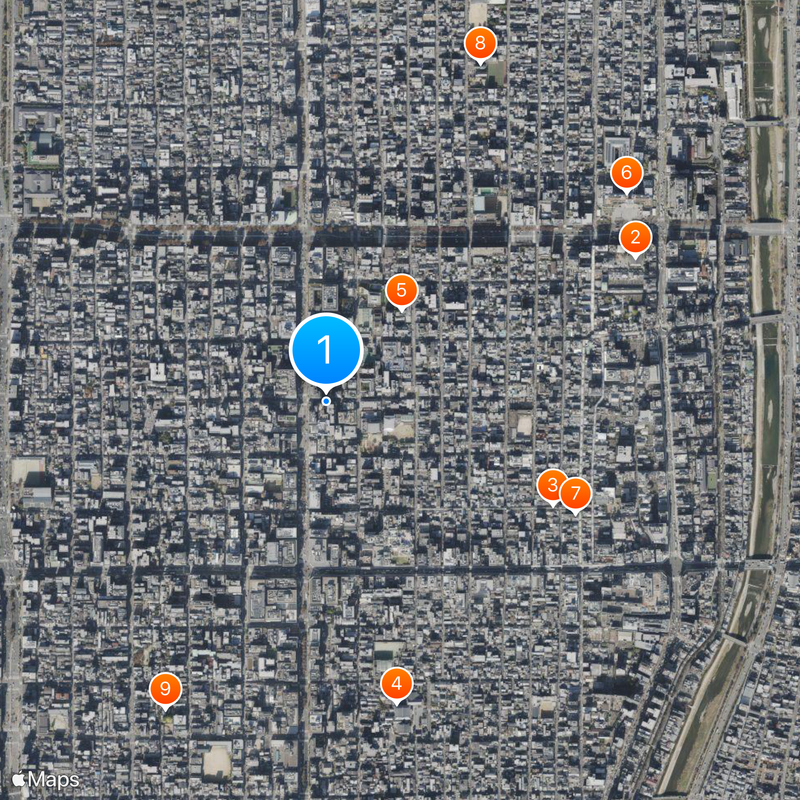
The temple is a three-minute walk from Karasuma Oike Station and opens daily from 6:00 to 17:00. Temple stamp services are available to visitors between 8:30 and 17:00.
Until 1864, the temple served as the venue for the lottery that determined the parade order of floats during the Gion Festival. This practice linked the religious site to one of Kyoto's largest urban celebrations.
The community of curious travelers
AroundUs brings together thousands of curated places, local tips, and hidden gems, enriched daily by 91,863 contributors worldwide.