Mount Aso, Supervolcano in Kumamoto Prefecture, Japan
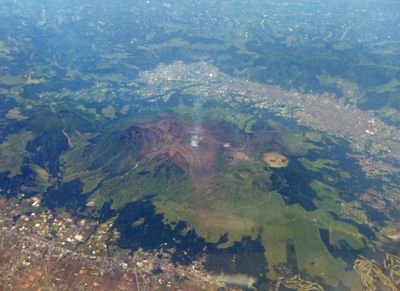
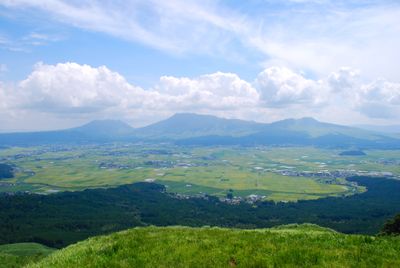
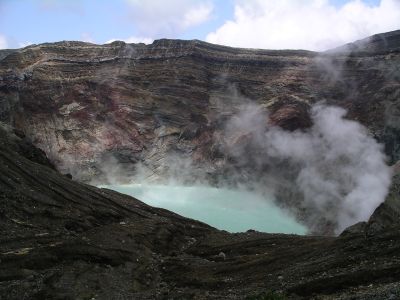
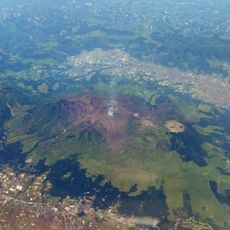
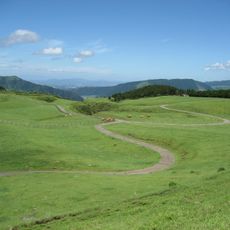
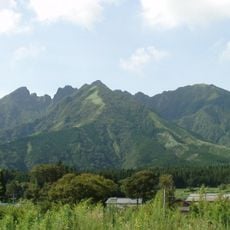
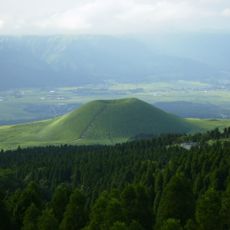
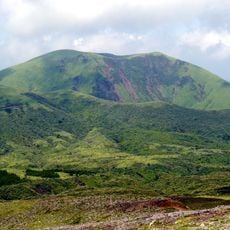
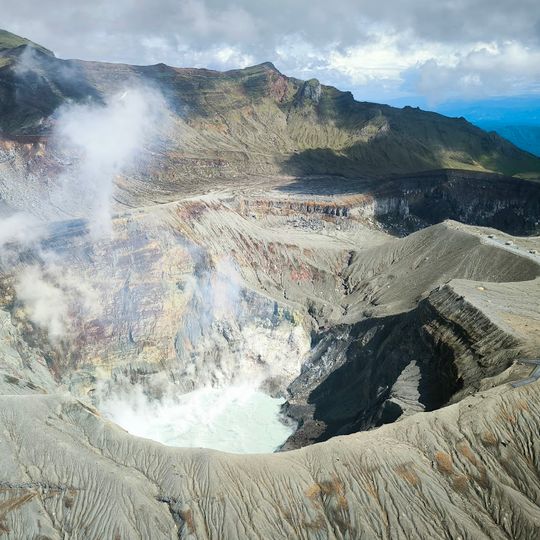
Aso forms a massive caldera with a circumference of 120 kilometers, whose five peaks rise to an elevation of 1,592 meters. The interior of the caldera contains inhabited settlements, agricultural land, and the steaming Nakadake Crater, which remains active.
Four major eruptions between 90,000 and 300,000 years ago created the present caldera, one of Japan's most important geological structures. Later activity formed the five central cones that rise from the flat floor of the caldera.
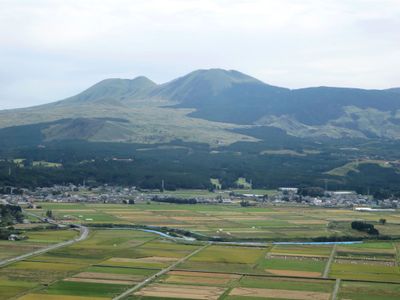
The five peaks form the outline of a reclining Buddha in the eyes of local residents, whose body stretches across the entire landscape. This impression has shaped the connection between people and the mountain for centuries, revered as a sacred natural phenomenon.
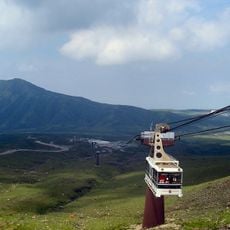
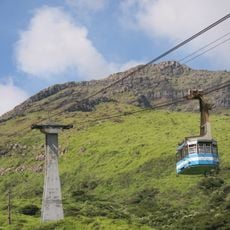
Regular bus services run between Aso Station and Nakadake Crater, while access to certain areas depends on current volcanic activity levels. Visitors should check the alert status before traveling, as crater access closes during periods of increased danger.
Farmers cultivate rice, vegetables, and livestock feed within the caldera, benefiting from mineral-rich volcanic soil that the mountain has deposited over millennia. This fertile layer makes the caldera one of the few places worldwide where people permanently live and work inside an active volcano.
The community of curious travelers
AroundUs brings together thousands of curated places, local tips, and hidden gems, enriched daily by 91,030 contributors worldwide.