Hokkaidō Koma-ga-take, Active stratovolcano in Hokkaido, Japan
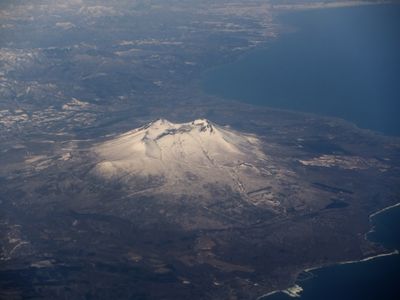
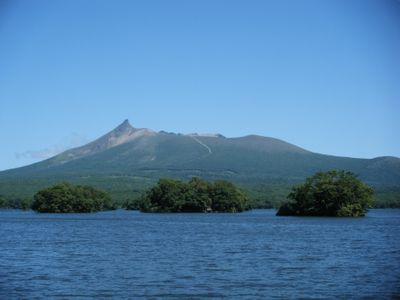
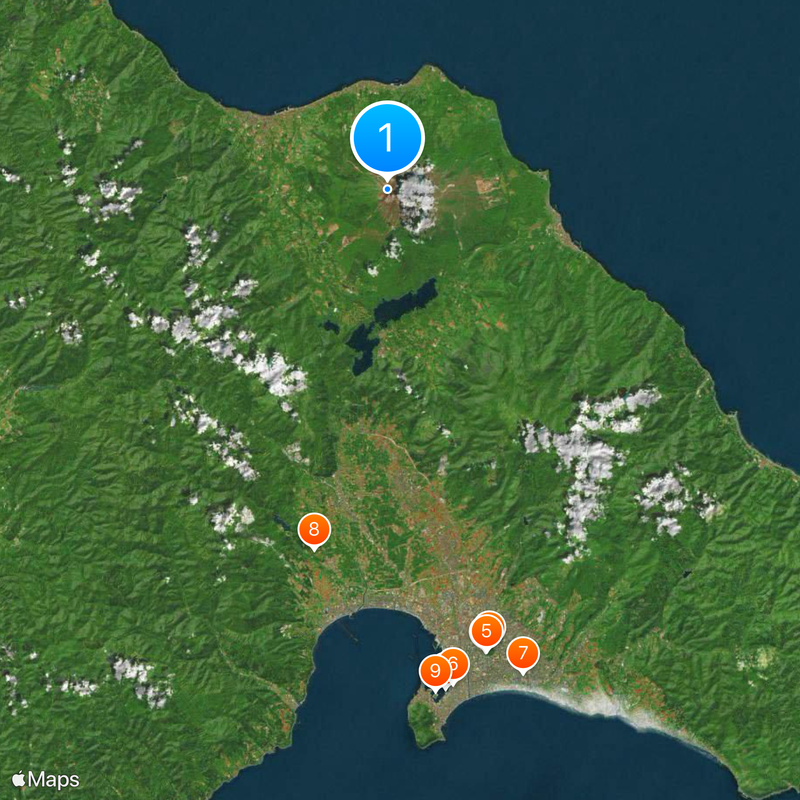
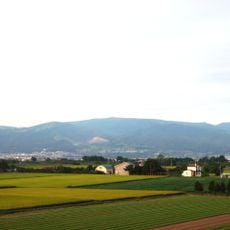
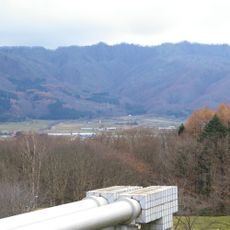
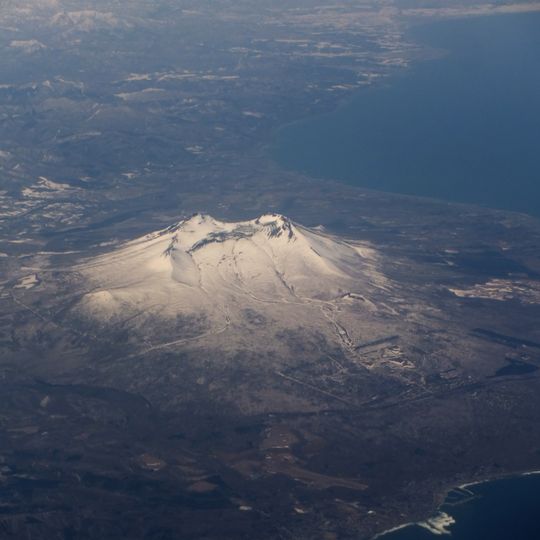
Hokkaidō Koma-ga-take is an active stratovolcano made of andesite that rises between Mori, Shikabe, and Nanae on Hokkaidō island. The summit reaches 1,131 meters (3,711 feet) above sea level and displays the classic steep slopes and layered structure of a stratovolcano.
Volcanic activity shaped this mountain around 30,000 years ago, and repeated eruptions formed its current profile over millennia. After a long dormant period, the volcano came back to life in the 17th century and has experienced more than 50 eruptions since then.
The name translates to 'horse mountain' in Japanese, representing an essential natural landmark for both early settlers and indigenous Ainu communities.
Hiking routes of varying difficulty climb through lava rock and ash fields toward the crater rim. Conditions can shift quickly, so wear sturdy boots and prepare for sudden weather changes.
The most recent eruption phase between September and November 2000 created new lava domes near the summit that remain visible from hiking routes. The volcano is continuously monitored, and warning signs guide hikers through permitted zones.
The community of curious travelers
AroundUs brings together thousands of curated places, local tips, and hidden gems, enriched daily by 92,788 contributors worldwide.