Mount Myōkō, Stratovolcano in Niigata, Japan
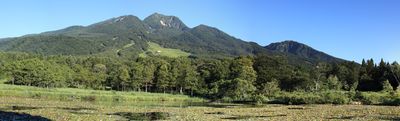
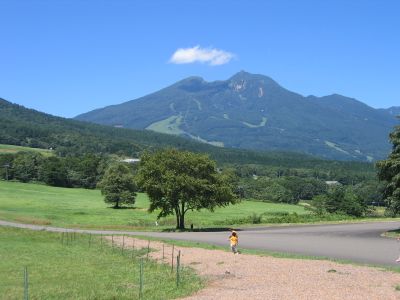
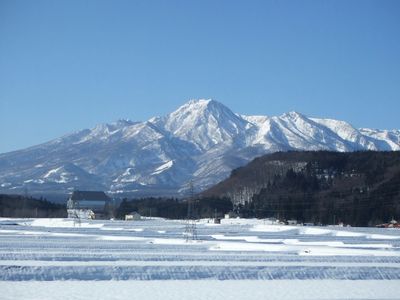
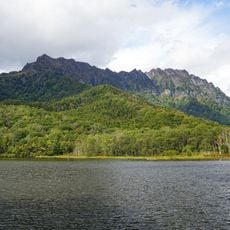
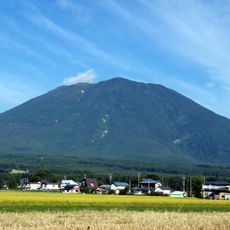
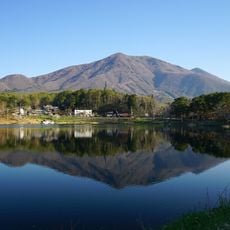
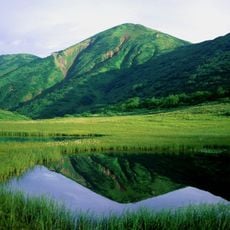
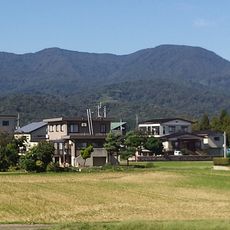
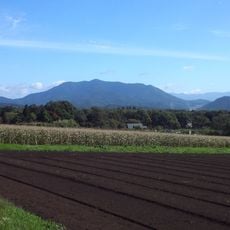
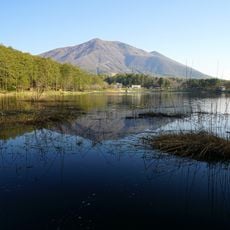
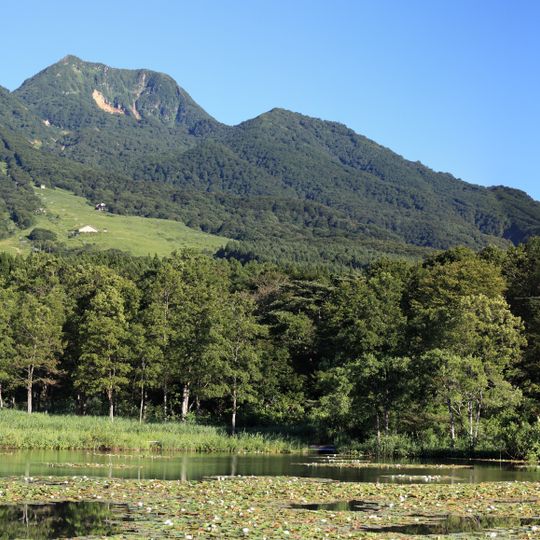
Mount Myōkō is a stratovolcano in Niigata Prefecture that rises to 2,454 meters and features steep slopes and a central crater. The summit area shows clear traces of past eruptions, and several lava domes mark the upper flanks of the mountain.
Around 19,000 years ago, a major eruption destroyed the original summit and created a caldera roughly 3 kilometers (2 miles) wide. In the following millennia, new lava domes formed inside this caldera, shaping the appearance of the mountain today.
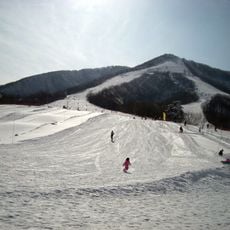
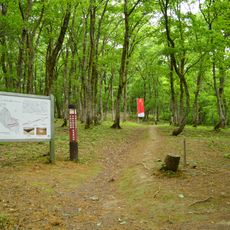
The peak forms part of the Five Mountains of Northern Shinshu, and hikers today follow trails once used by Buddhist monks. Visitors now come mainly for winter sports, as the area receives some of the heaviest snowfall in Japan.
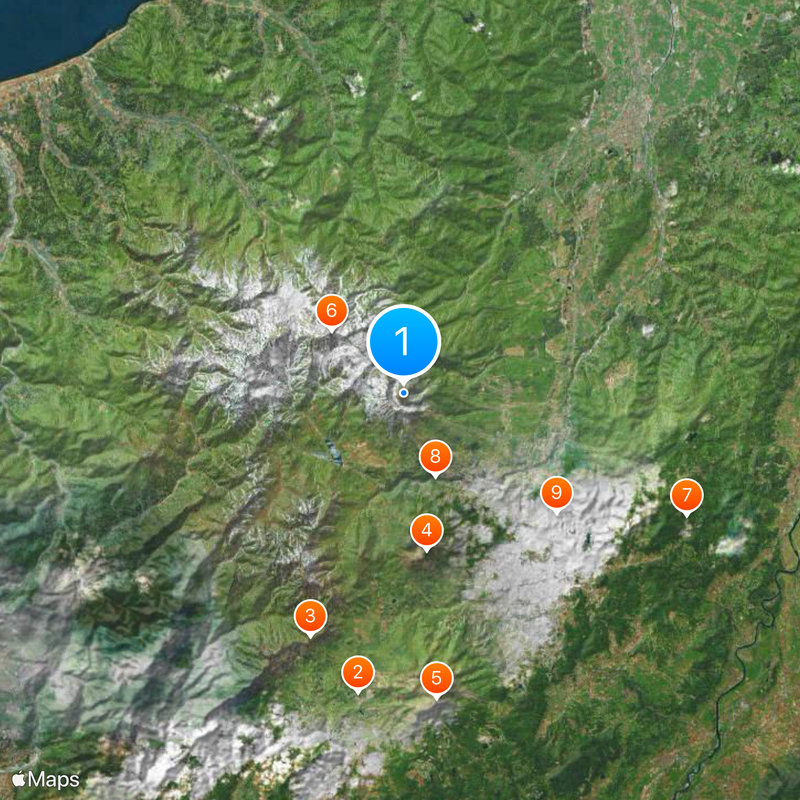
Several ski resorts, including Akakura, Suginohara, and Ikenotaira, lie at the base and provide access to different elevations. In summer, hikers use the same starting points to reach the summit on marked trails.
Sulfur gas still rises from fumaroles near the summit area, a sign of ongoing volcanic activity below the surface. In the past, miners extracted sulfur here, and traces of their worksites occasionally appear on the upper slopes.
The community of curious travelers
AroundUs brings together thousands of curated places, local tips, and hidden gems, enriched daily by 91,253 contributors worldwide.