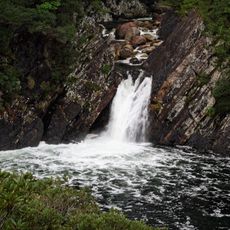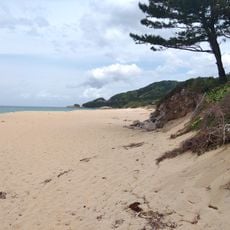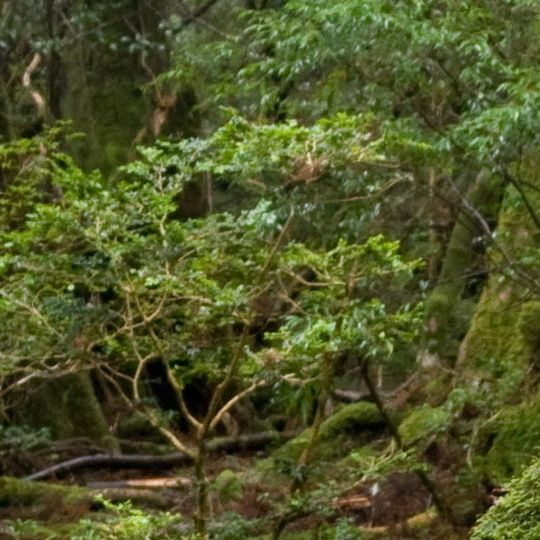
Yakushima, World Heritage island in Kagoshima Prefecture, Japan
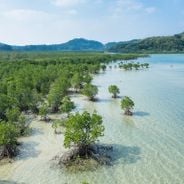
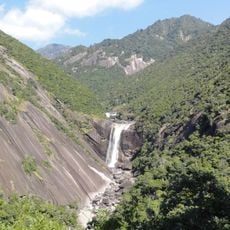
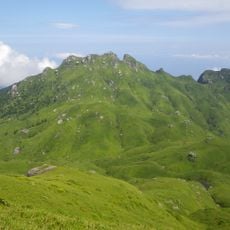
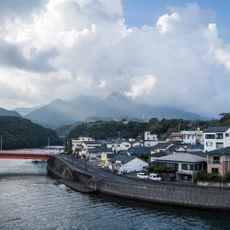
Yakushima is a forested island in southwestern Kagoshima Prefecture located roughly 60 kilometers off the coast of Kyushu. The island spans roughly 500 square kilometers and displays steep granite peaks that transition into subtropical coastal zones.
Yakushima appears in Chinese Sui dynasty records around 601–607, when envoys reached the island they called Liukiu. In 702 the Shoku Nihongi placed it within ancient Tane Province, and during the Edo period the Shimazu clan of Satsuma ruled it. Logging of yakusugi cedar for roof shingles and temple timber peaked under Satsuma, and in 1993 the ancient forest became a World Heritage Site.
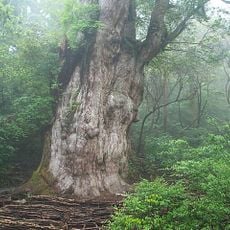
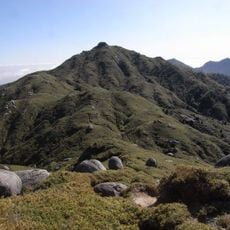
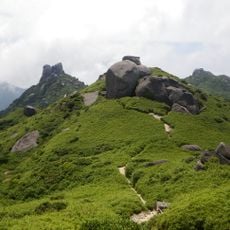
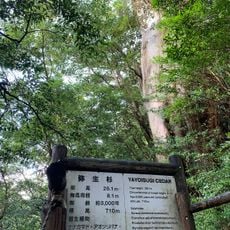
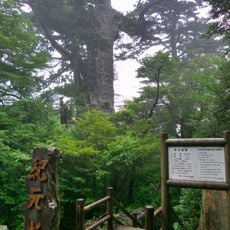
The name Yakushima does not come from a Mount Yakushidake; the island's highest peak is Miyanouradake (1,936 m). Cedars over 1,000 years old are called yakusugi, and the Jōmon Sugi is estimated at 2,300 to 7,200 years old. The three peaks Miyanouradake, Nagatadake and Kuriudake, known as the Yakushima Three Mountains, have a small shrine (Ichihōju Daigongen) at the summit and have long been objects of mountain worship.
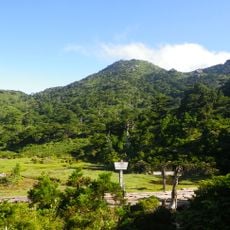
Yakushima is reached by hydrofoil or car ferry from Kagoshima, or by air to Yakushima Airport; the main ports are Miyanoura and Anbo. Trails climb from coastal subtropical forest through cedar stands to the 1,935 m Miyanoura-dake, and rain falls often, so waterproof layers are needed. Mountain temperatures average about 6–7 °C, and snow can lie on the summits into spring.
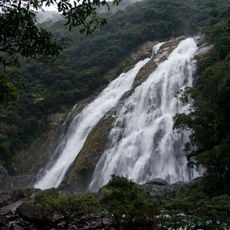
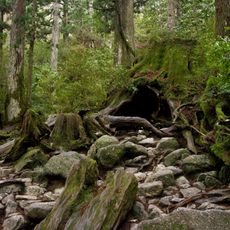
Locals joke that it rains 35 days per month here describing the exceptionally high precipitation levels. Some cedar trees on the island are over 1000 years old and their gnarled roots twist over moss-covered rocks.
The community of curious travelers
AroundUs brings together thousands of curated places, local tips, and hidden gems, enriched daily by 92,852 contributors worldwide.