Ōji Station, Railway junction in Kita-ku, Tokyo, Japan
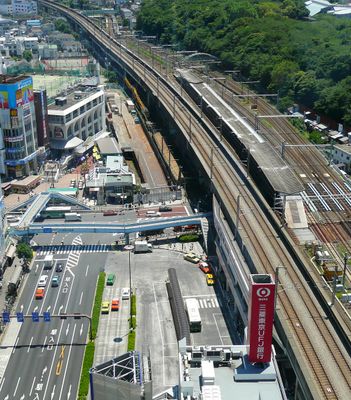
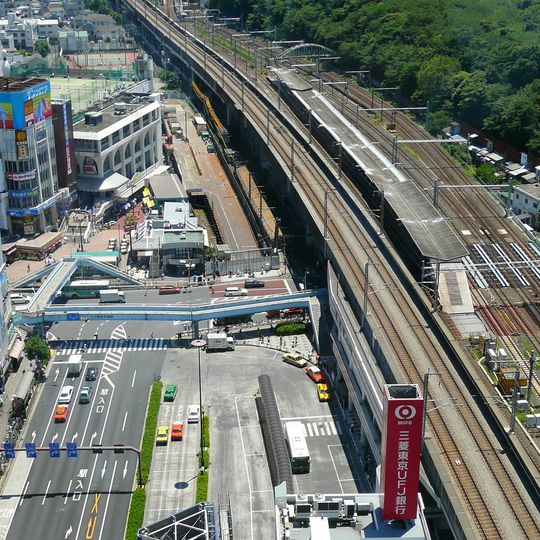
Ōji Station features elevated platforms for JR East trains and underground platforms for Tokyo Metro, connecting multiple transportation lines within a single complex. The facility serves as a transfer point where passengers move between different rail systems.
Operations began on July 28, 1883, making it one of the earliest transportation hubs in northern Tokyo during the Meiji period. This role as a transport junction has remained central to its function ever since.
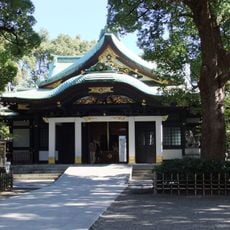
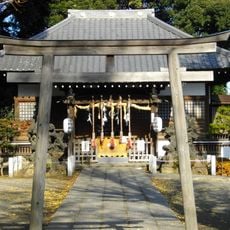
The name comes from the Ōji district, which once centered on paper production and the Ōji Inari Shrine that still draws visitors. You can sense this industrial heritage walking through the surrounding neighborhood.
The facility has modern ticket machines and barrier-free access with elevators at specific exits. Allow time to navigate between elevated and underground levels, especially when changing between different lines.
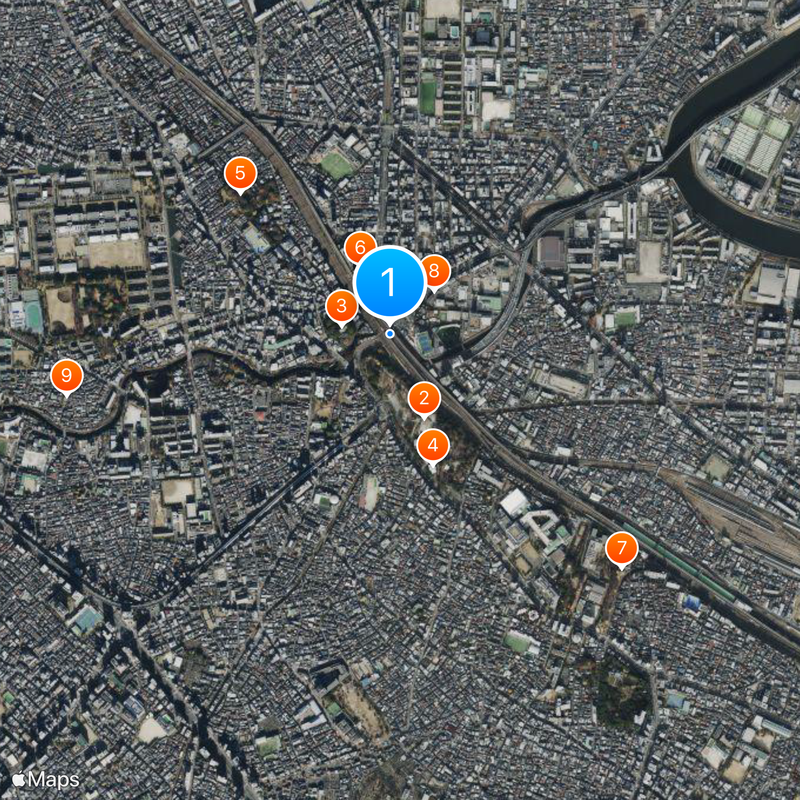
The station integrates three distinct transport systems: JR East railways, Tokyo Metro subway, and Tokyo Sakura Tram, all accessible from the same complex. This triple connection is uncommon and makes it a major interchange with exceptional flexibility for passengers.
The community of curious travelers
AroundUs brings together thousands of curated places, local tips, and hidden gems, enriched daily by 92,789 contributors worldwide.