Zuisen-ji Temple, Buddhist temple in Nikaidō district, Kamakura, Japan
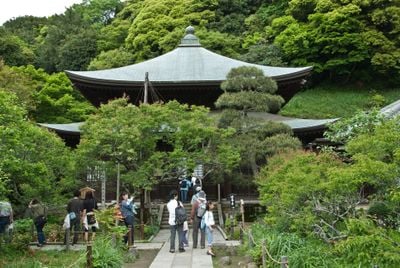
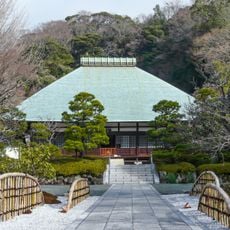
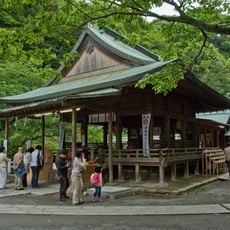
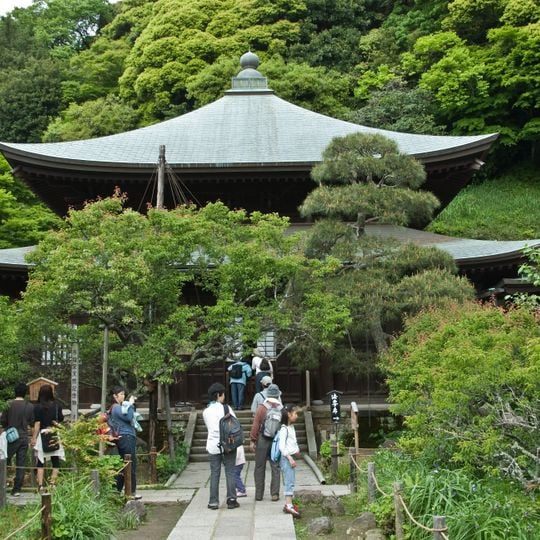
Zuisen-ji is a Rinzai Zen temple on a hill in Kamakura's Momijigayatsu Valley. Its main hall stands behind a rock garden carved by Musō Soseki into tuff bedrock, with a pond, arched bridge, waterfall, small island and cave. About 80 yagura tomb caves lie behind the hall.
Founded in 1327 by Nikaidō Dōun with Musō Soseki as founding priest, the temple was first called Zuisen-in. After the Kamakura shogunate fell in 1333, the Ashikaga family took it under its protection; first Kantō kubō Ashikaga Motouji chose burial there, and the temple became the Ashikaga kubō family temple. In 1386 it was named first of the Kantō Jissetsu. It declined after the 1439 Eikyō War, when fourth kubō Ashikaga Mochiuji made his last stand at the sub-temple Yōan-ji and disemboweled himself.
The temple's name, Zuisen-ji, means "Temple of the Spring of Good Fortune." It is also called the "Temple of Flowers" for its year-round blossoms, including narcissus, plum, azalea and peony. The Kannon statue donated by Tokugawa Mitsukuni is kept in the main hall, and the temple cemetery holds the graves of writers such as Kume Masao.
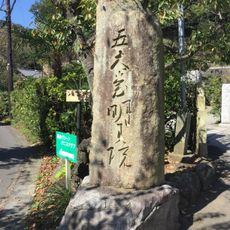
Zuisen-ji is reached by bus from Kamakura Station to the Ōtō-no-miya (Kamakura-gū) stop, then about ten minutes on foot. The path climbs the hill and splits: the right branch is the original route laid out by Musō Soseki, marked by a brown stone stele. The yagura caves and the Henkai Ichirantei belvedere behind the garden are closed to visitors.
Behind the main hall, the Zen rock garden carved by Musō Soseki uses the tuff bedrock itself: a pond with an arched bridge, a waterfall, a small island and a cave. Plants around it were removed in 1969 to restore the original layout, and the stairs behind lead up to the closed Henkai Ichirantei belvedere.
The community of curious travelers
AroundUs brings together thousands of curated places, local tips, and hidden gems, enriched daily by 93,339 contributors worldwide.