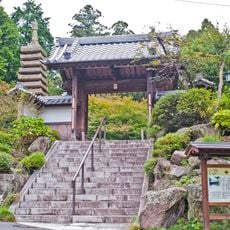
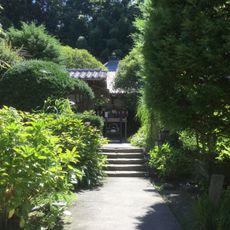
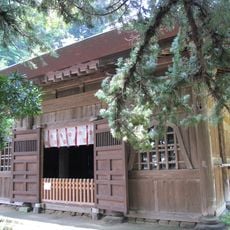
Yōfuku-ji, archaeological site of a former Buddhist temple in Nikaidō, Kamakura, Japan
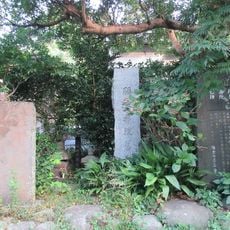
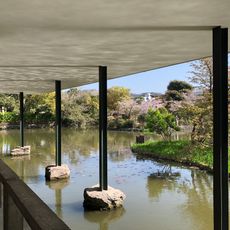
Yōfuku-ji is a former Buddhist temple in Nikaidō, Kamakura, built by Minamoto no Yoritomo in the early Kamakura period. Excavations since 1983 uncovered a Pure Land garden with a pond 200 m north-south and 40–70 m east-west, and the foundations of a central hall (Nikaidō) flanked by Amida and Yakushi halls. Since 2017 the reconstructed stone bases and pond are open to visitors.
The temple was founded in 1192 and stood in connection with the early shogunate of that period. The site documents the role of religious institutions during this important era of Japanese history.
The name Nikaidō, still used for the surrounding district, comes from the temple's two-storey main hall, the Nikaidō, which housed a Shaka Nyorai. Excavations showed the hall flanked by an Amida hall and a Yakushi hall linked by corridors, with a pond garden to the west. The site is part of the Kamakura candidacy for World Heritage and was named a Japan Heritage asset in 2016.
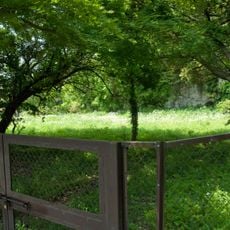
The site is open daily and free to enter. The restored stone foundations of the two-storey hall, the Amida and Yakushi halls and the pond garden are laid out along a path; the garden's west bank is the best place to read the whole layout. The grounds are uneven in places, with gravel paths and grass.
The site is designated as both a Historic Site of Japan and a war memorial. This dual role connects religious heritage with national remembrance at this location.
The community of curious travelers
AroundUs brings together thousands of curated places, local tips, and hidden gems, enriched daily by 95,256 contributors worldwide.