Higashishirakawa, village in Kamo district, Gifu prefecture, Japan
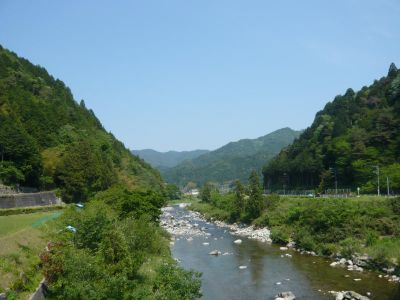
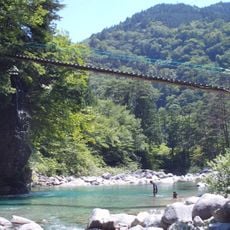
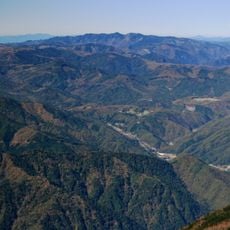
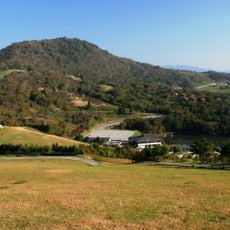
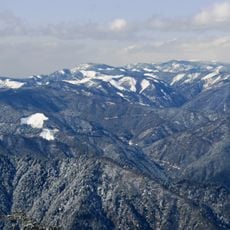
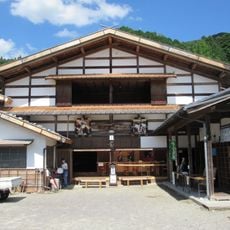
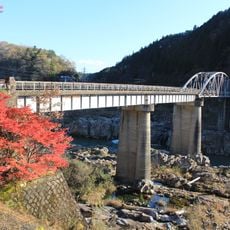
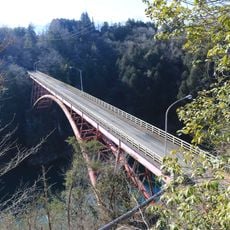
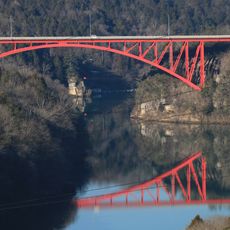
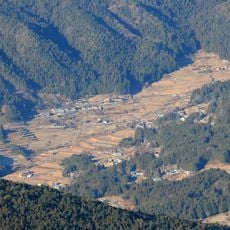
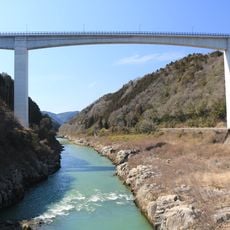
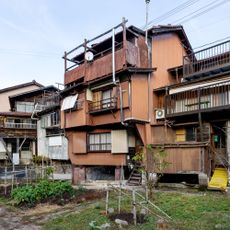
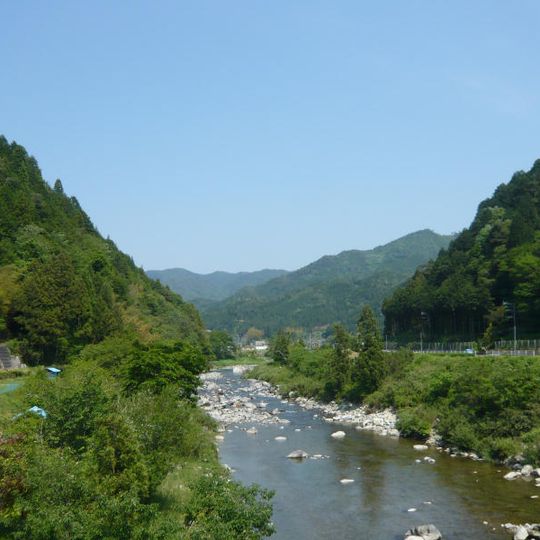
Higashishirakawa is a village in central Gifu Prefecture surrounded by mountains over 1000 meters high and covered mostly in forest with cool summers and mild winters. The settlement spans about 87 square kilometers with fewer than 2000 residents spread across farmland and dispersed homes, where people work primarily in agriculture and forestry.
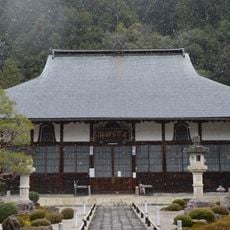
The village was formally established in 1889 following Japan's modernization of its administrative system, with roots tracing to the Mino Province during the Edo period. A distinctive feature is that Higashishirakawa remains the only place in Japan without a single Buddhist temple, a result of religious institution closures during the early 20th century modernization movement.
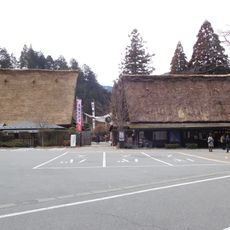
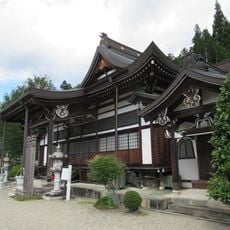
Higashishirakawa is rooted in Shinto traditions, with small shrines scattered throughout the village reflecting spiritual practices connected to nature and local customs. The residents maintain their heritage through farming practices, seasonal festivals, and stories passed down from generation to generation.
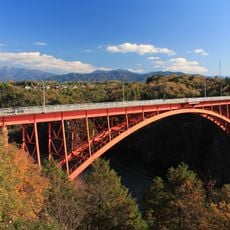
The village has no train station, making cars and buses the main transport options, with National Route 256 serving as the primary access point. Visitors should expect limited services typical of rural areas and plan for outdoor activities like fishing and hiking as the primary attractions.
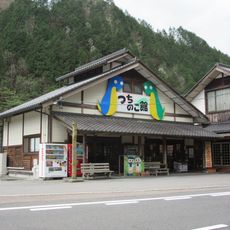
Higashishirakawa hosts an annual Tsuchinoko Festival where residents and visitors search the nearby forests for a legendary creature resembling a short, fat snake found in local mythology. This distinctive tradition keeps local stories alive and brings the community together around a playful yet deeply rooted cultural practice.
The community of curious travelers
AroundUs brings together thousands of curated places, local tips, and hidden gems, enriched daily by 91,236 contributors worldwide.