Minka, Traditional folk architecture in rural Japan
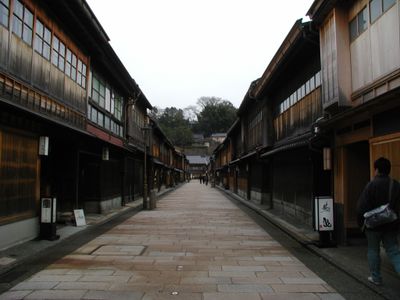
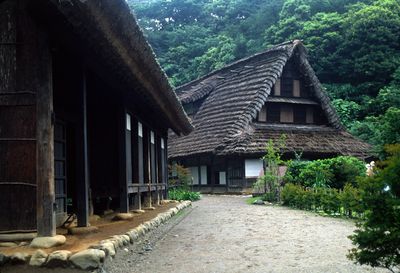
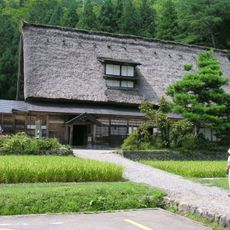
A minka is a traditional rural dwelling in Japan with a flexible floor plan that adapted to family needs. The structure used wooden posts and locally available materials like straw and clay for walls and roof.
These houses developed during the Edo period and showed regional differences shaped by climate, geography, and local economic activities. The building method survived into modern times and reflects centuries of practical knowledge.
The sunabako, a sand-floored area near the irori, served as a practical nighttime space and shows how these houses combined multiple functions within a single room.
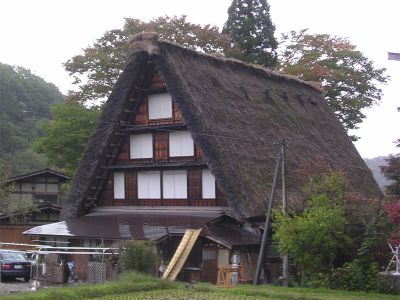
These houses could easily be reshaped by removing or adding interior walls to adjust space for changing family needs. The high roof space offered extra storage and heat insulation for colder seasons.
The eight basic roof frame forms—including inverted U, ladder, umbrella, and various beam types—show different regional solutions for snow load and wind. Each variation adapted to the particular demands of local climate.
The community of curious travelers
AroundUs brings together thousands of curated places, local tips, and hidden gems, enriched daily by 91,127 contributors worldwide.