Omi, village in Higashichikuma district, Nagano prefecture, Japan
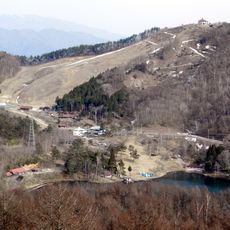
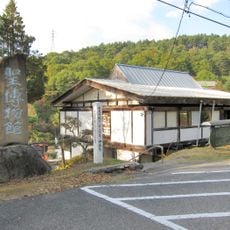
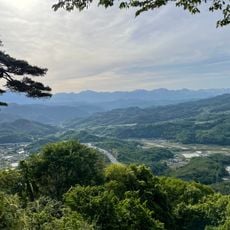
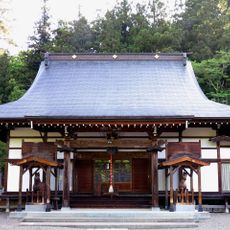
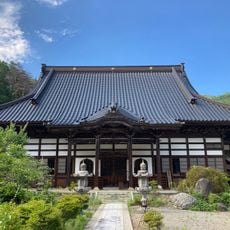
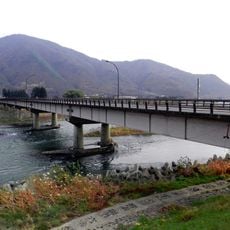
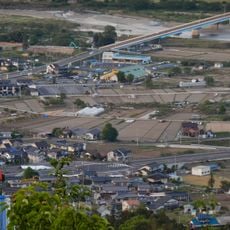
Omi is a small village in Nagano Prefecture's Higashichikuma District, situated in the center of the region among cultivated fields and mountains. The settlement features traditional wooden houses alongside working farms, rice paddies that shift in color through the seasons, and natural water systems including the Kitayama Dam that shapes the local landscape.
Omi originated as part of ancient Shinano Province and later came under the Matsumoto Domain administration during the Edo period. The village was officially established as a modern municipality in 1889 and maintained its independence when residents voted against merging with a neighboring village in 2004.
The name 'Omi' has roots in medieval times and appears in Kamakura period records from over 700 years ago. The community today centers around farming traditions, seasonal festivals, and the preservation of practices that connect residents to the land and to each other through shared rhythms of work and celebration.
The village is accessible via the Shinonoi train line and National Route 403, making travel straightforward for visitors. Lodging consists of small family-run guesthouses and traditional inns where meals feature local ingredients, and early morning walks through fields offer the best way to experience daily rhythms and seasonal changes.
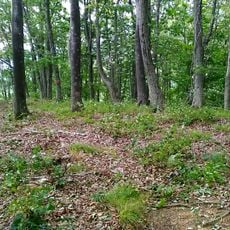
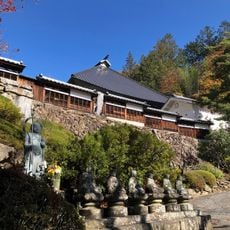
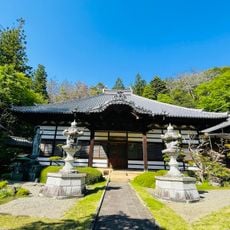
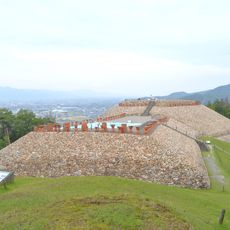
The Hijiri Museum preserves local history and demonstrates how residents adapted to the land over centuries, often overlooked by visitors focused on natural features. The Hijiri Highlands nearby contain walking paths that reveal hidden temples and aged wooden houses tucked into the countryside, creating quiet discoveries for those who explore beyond main routes.
The community of curious travelers
AroundUs brings together thousands of curated places, local tips, and hidden gems, enriched daily by 91,516 contributors worldwide.