Mount Suribachi, Extinct volcano in Iwo Jima, Japan
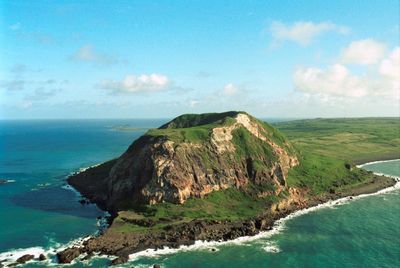
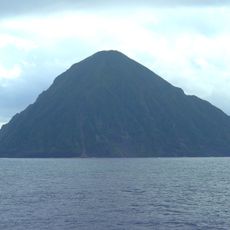
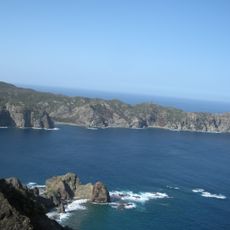
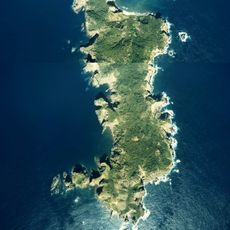
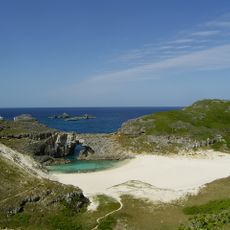
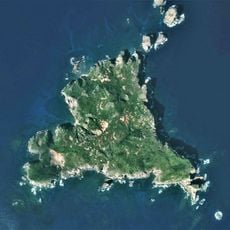
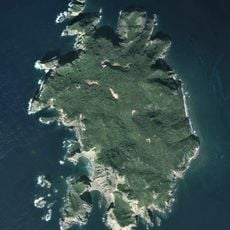
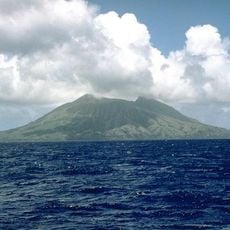
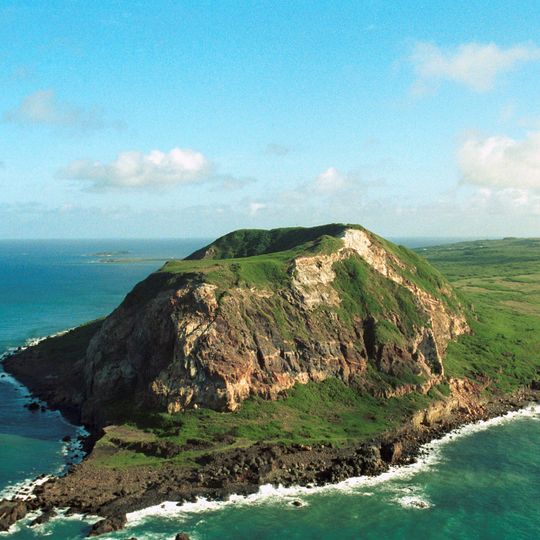
Mount Suribachi is an extinct volcano at the southwestern tip of Iwo Jima that rises 169 meters (554 feet) above the water. Its steep slopes climb to a crater at the top, where you can see the shape that gives this place its name.
United States Marines reached the summit in February 1945 during the Battle of Iwo Jima and raised a flag there. That moment was captured in a photograph that became one of the most recognized war images of the twentieth century.
The name Suribachi derives from the Japanese word for a traditional grinding bowl, reflecting the mountain's bowl-like shape and cultural connection to local traditions.
Access is heavily restricted because the island remains under military administration and only a few authorized visits occur each year. If you receive one of these rare opportunities, you can explore a network of tunnels and fortifications through guided tours.
Between 1889 and 1957, the volcano erupted sixteen times, with the most recent activity in 2012 producing a new fumarole. This latest movement surprised many scientists who had assumed the peak was fully dormant.
The community of curious travelers
AroundUs brings together thousands of curated places, local tips, and hidden gems, enriched daily by 91,745 contributors worldwide.