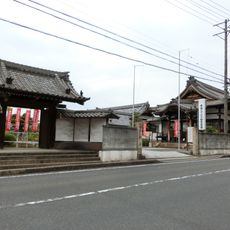
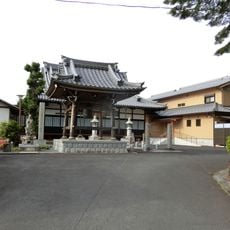
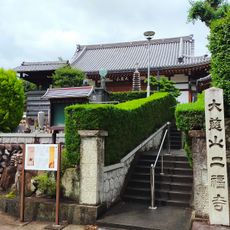
Eihō-ji Temple, Buddhist temple and National Treasure in Tajimi, Japan
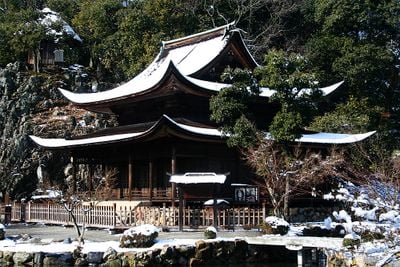
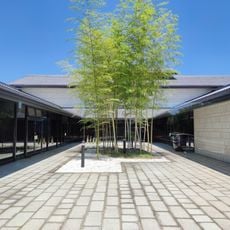
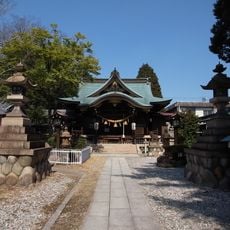
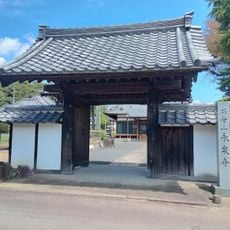
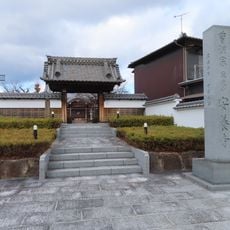
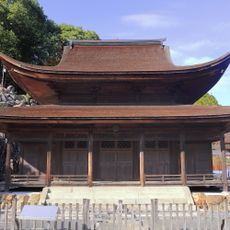
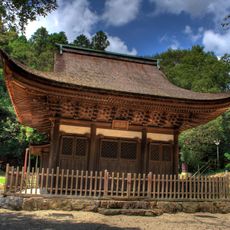
Eihō-ji is a Rinzai Zen temple at the foot of Mount Kokei in Tajimi, Gifu Prefecture. Its Kannon Hall, a National Treasure built in 1314, has a single-tiered skirt roof and cypress-bark roofing; the Kaizan Hall of 1352 combines a worship hall and a reliquary. A pond, bridge and waterfall lie within the grounds.
The site was established in 1313 by the Nanzen-ji branch of Rinzai Zen Buddhism and became a center for meditation and teaching in the region. A fire in 2003 led to extensive rebuilding work that was completed in 2007.
The site follows Rinzai Zen practices and offers regular zazen sessions for visitors who wish to meditate in silence. The halls preserve Buddhist artworks on silk, including a depiction of the thousand-armed Kannon that can be viewed during special occasions.
The complex is about an hour from Nagoya and provides free parking for visitors. During spring, historical treasures from the collection are displayed in an annual exhibition.
The temple's name comes from Lushan Tiger Valley in China, chosen because the site's scenery resembled it. Musō Soseki had no record of travelling to China; he trained in Kamakura under the Chinese monk Issan Ichinei, and the name recalls the Zen training landscape of Lushan.
The community of curious travelers
AroundUs brings together thousands of curated places, local tips, and hidden gems, enriched daily by 93,195 contributors worldwide.