Enkō-ji Temple, Buddhist temple in Ichijōji district, Kyoto, Japan
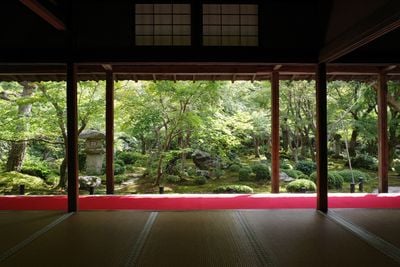
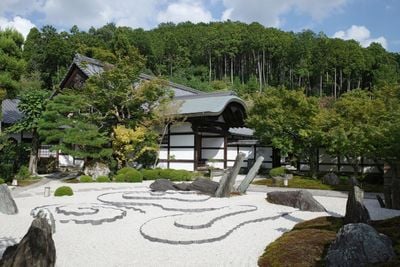
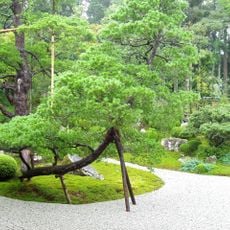
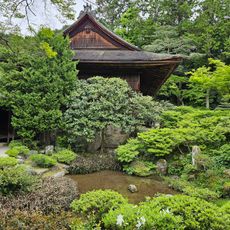
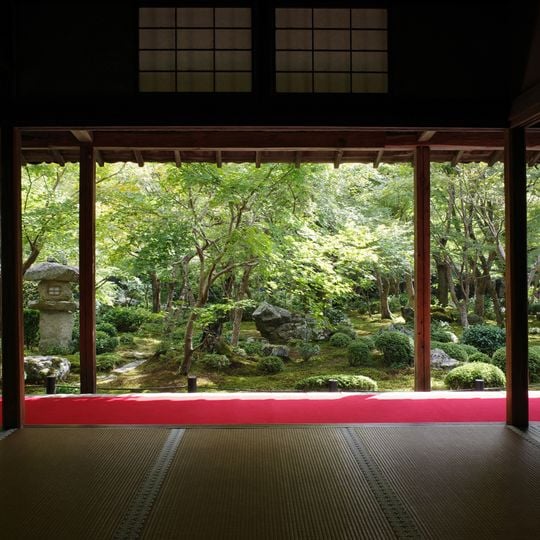
Enkō-ji is a Rinzai-shū Nanzen-ji school temple in Ichijōji, Sakyō-ku, Kyoto, formally written 圓光寺, with the mountain name Zuigan-san and Senju Kannon as its main image. Its main hall opens onto the Jūgyū-no-niwa garden, which holds the Seiryū-chi pond, said to be the oldest in Rakuhoku, and a suikinkutsu. A second, dry-landscape garden, the Honryū-tei, was laid out in the Heisei era, and the precinct also has a tea house, a zazen hall, a bell tower and a small exhibition hall.
The temple was founded in 1601 by monk San'yō Genkitsu with backing from Tokugawa Ieyasu, marking a significant moment in its establishment. It initially served as a printing facility for Confucian texts before transforming into a meditation center.
The temple's name is written formally as 圓光寺. Its garden, Jūgyū-no-niwa, contains the Seiryūchi pond, said to be the oldest in Rakuhoku, and a suikinkutsu. The tea house Taigetsu-an is linked to Iwakura Tomomi, who is said to have often taken tea there.
Enkō-ji is about 17 minutes on foot from Eizan Railway's Ichijōji Station, or 400 m east of the Ichijōji Shimomatsu-chō bus stop, just past Shisendō. The grounds open from 9:00 to 17:00. In autumn, a paid early-morning viewing from 7:30 requires a reservation, and the Sunday zazen session at 6:00 also requires booking.
The temple holds 52,320 wooden movable type pieces from the Fushimi edition, printed here under Ieyasu's order; they are the oldest surviving type in Japan and a designated Important Cultural Property, shown in the Zuikaku exhibition room.
The community of curious travelers
AroundUs brings together thousands of curated places, local tips, and hidden gems, enriched daily by 93,184 contributors worldwide.