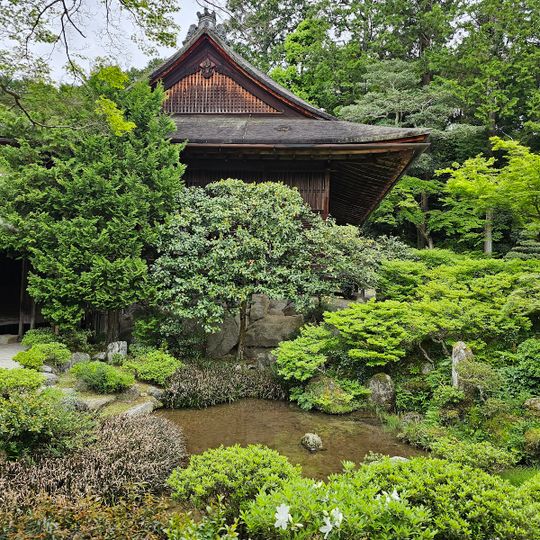
Rinkyū-ji, Buddhist temple in Sakyō-ku, Japan
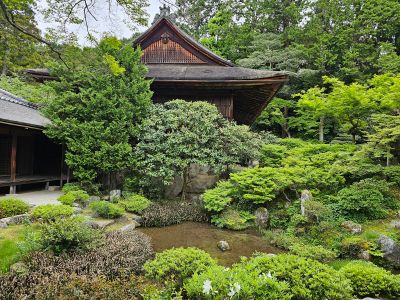
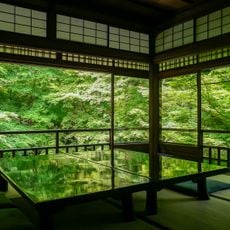
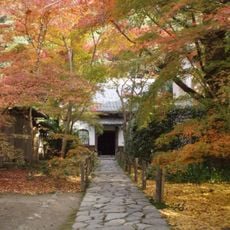
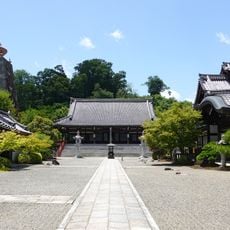
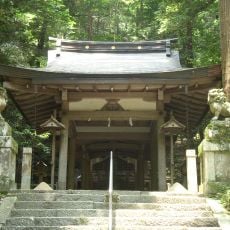
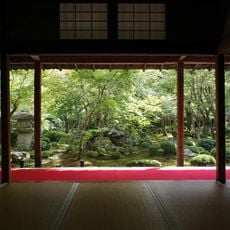
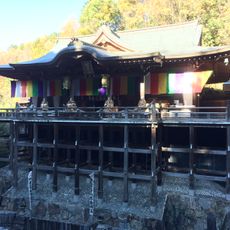
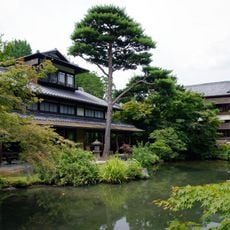
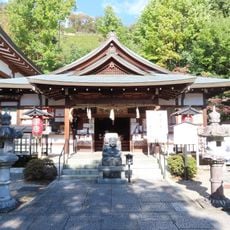
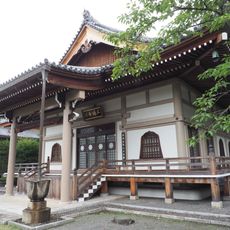
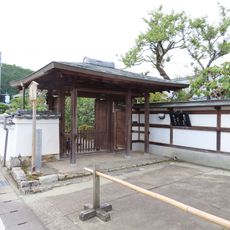
Rinkyū-ji is a Rinzai-lineage independent temple in Shugakuin, Sakyō-ku, Kyoto, with the mountain name Shōmyōzan and Shō Kannon as its principal image. Its precinct holds a study (shoin), main hall, founder's hall and a Korean-style stone pagoda called Higaki-tō, beside a pond-viewing garden of the Edo period. It adjoins the Rakushiken of the Shugakuin Imperial Villa's Middle Tea House, which once belonged to the temple.
The site first held Enshō-ji, a convent founded by Princess Bunji, daughter of Retired Emperor Go-Mizunoo; that temple later moved to Nara. Around 1668 Go-Mizunoo built a villa here for his eighth daughter, Princess Akenomiya Teruko, and in 1678 the retired emperor's own audience and tea rooms were moved here as a guest hall. In 1680, after his death, the princess took vows as Shōzan Gen'yō and converted the villa into Rinkyū-ji, a convent of imperial nuns.
The temple houses the Rinkyu-ji Otekagami, a collection of imperial calligraphy and correspondence recognized as an Important Cultural Property of Japan. This collection reflects the close relationship between the temple and the imperial family.
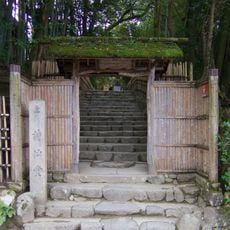
Rinkyū-ji is a private temple and cannot be entered; visitors see its grounds only in passing while touring the adjacent Shugakuin Imperial Villa. It lies in Shugakuin Haya-no-waki, Sakyō-ku, Kyoto, about 20 minutes on foot from the Shugakuin Rikyū-michi bus stop.
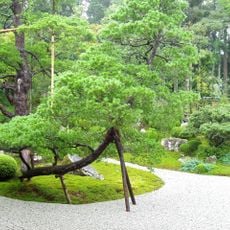
The temple grounds hold a Korean-style stone pagoda, the Hikogaki-tō, alongside the main hall and founder's hall. The site also preserves a pond-and-spring viewing garden from the Edo period. Much of the original precinct, including Rakushiken, was returned to the Imperial Household in 1884 and now forms part of Shugakuin Imperial Villa's Naka-no-Ochaya.
The community of curious travelers
AroundUs brings together thousands of curated places, local tips, and hidden gems, enriched daily by 93,459 contributors worldwide.