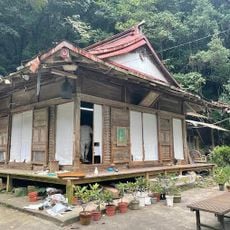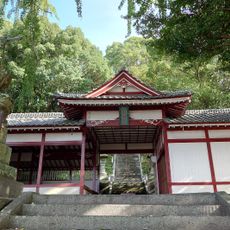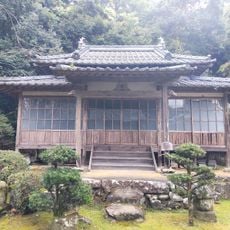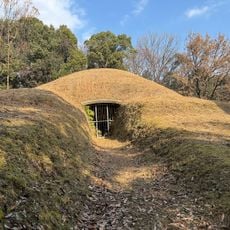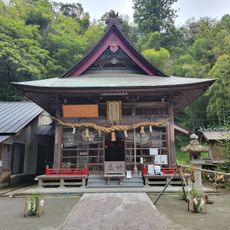
Rakan-ji Temple, Buddhist temple in Nakatsu, Japan.
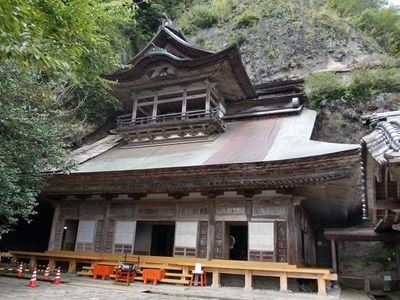
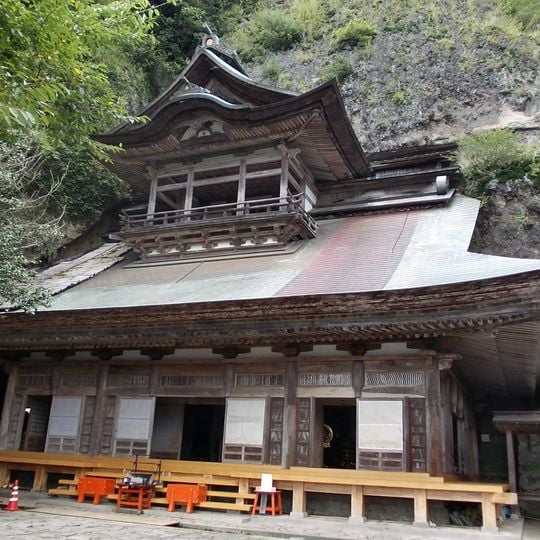
Rakan-ji is a Buddhist temple whose main structures are built directly into natural caves carved into a mountain slope. The network of cave chambers extends through the rock and holds thousands of stone statues distributed across various rooms and passages.
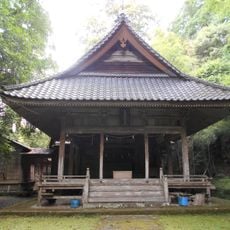
Enkan Shōkaku enshrined the Sixteen Arhats here in 1337, the temple's effective founding; the original site is thought to have stood across the river at a spot called Ko-Rakan. In 1339 the monk Gyakuryū Kenshun arrived from China and, with Shōkaku, made 500 arhat statues in about a year. Founded as a Rinzai temple, it became Sōtō after Tetsumura Gensaku came in 1600. A 1943 fire in Kōtsu village burned the main hall, rebuilt in 1969.
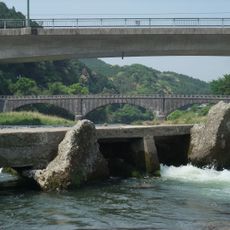
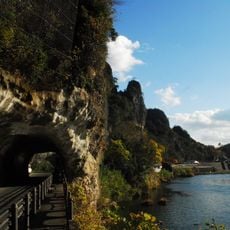
The temple's name comes from the 3,700-plus stone Buddhas in the caves, chief among them the 451 statues of the 500 Rakan in the Murokutsu cave, the oldest such group in Japan. The Zenhai Hall honours Zenhai, who cut the Aonodōmon tunnel nearby, and displays his belongings.
Visitors should be prepared for stairs and narrow cave passages when exploring the site, which requires some physical activity. The best time to visit is during daylight hours, when natural light enters the caves and makes the statues more visible.
The 451 statues of the 500 Rakan in the Murokutsu cave, with the stone Shaka triad and other figures, were designated a National Important Cultural Property on 21 August 2014. A further 62 stone Rakan statues stand outside the cave, and a stone dragon head sits near the bell tower.
The community of curious travelers
AroundUs brings together thousands of curated places, local tips, and hidden gems, enriched daily by 93,385 contributors worldwide.