Komo-jinja, Shinto shrine in Japan
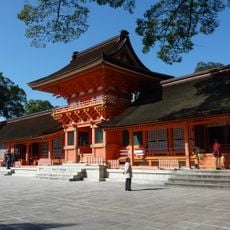
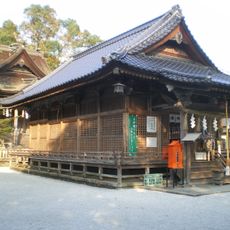
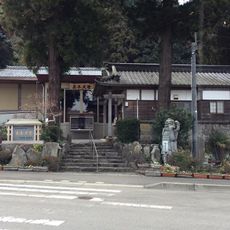
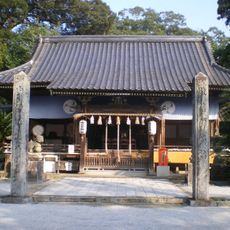
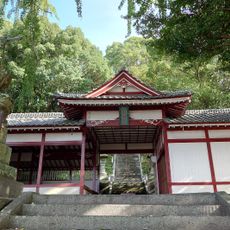
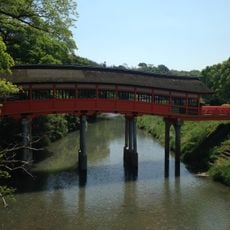
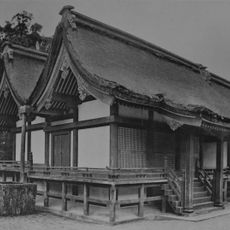
Komo-jinja, also known as Ōsada Hachimangū, is a Hachiman shrine in Nakatsu whose grounds are centred on the triangular Misumi Pond, considered the inner shrine while the hall is the outer shrine. Its shinmon gate was built in 1622 by Hosokawa Tadaoki and is a National Important Cultural Property; the present sanctuary buildings date from the late Edo period.
Komo-jinja is said to have been founded during the Shōwa era (834–848) and is regarded as the ancestral shrine of Usa Jingū, the head of all Hachiman shrines. In 720, according to tradition, a sacred komo-makura made of reed cut from the shrine's Misumi Pond was carried to Hyūga to quell the Hayato rebellion. The shrine gate was built in 1622 by Hosokawa Tadaoki, and the sanctuary dates from the late Edo period.
The shrine is also called Osada Hachimangu, and its compound is laid out with the triangular Misumi Pond as the inner sanctuary and the hall as the outer sanctuary. The pond's self-sown makomo reeds gave the shrine its name; in 720 they were cut to make the Komo-makura, a pillow-shaped sacred object carried before the army sent against the Hayato rebellion. The Komo-kari rite is still performed by the Karashima family every six years during Usa Jingu's procession.
The shrine is easy to reach on foot and suits a short visit, especially if you are already exploring the Nakatsu area. Going early in the morning gives you more space and a better chance to watch the daily routines of local worshippers.
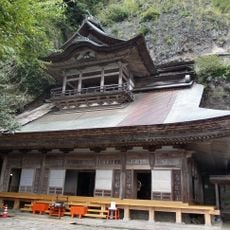
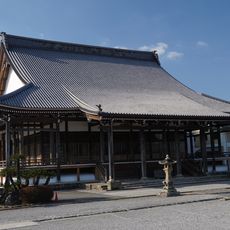
The extended roof of the nagare-zukuri style was not purely decorative: it created a sheltered space in front of the hall where worshippers could stand during rain. This practical detail, built into the design centuries ago, is still working exactly as intended today.
The community of curious travelers
AroundUs brings together thousands of curated places, local tips, and hidden gems, enriched daily by 94,401 contributors worldwide.