Taihō-ji, Buddhist temple and National Treasure in Matsuyama, Japan
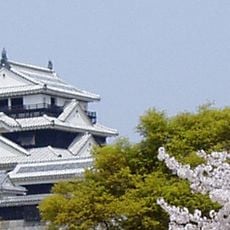
Taihō-ji is a Shingon temple in Matsuyama whose main hall, built in the early Kamakura period, is the oldest wooden building in Ehime Prefecture and a National Treasure. The hall measures about nine metres square, with round pillars and a simple bracket system, and houses three Heian-period wooden Buddha statues designated Important Cultural Properties.
According to temple tradition, the local magnate Ochi (Koshiki) Iyo-no-kami Tamakoki founded Taihō-ji in 701, the first year of the Taihō era, from which its name derives. In the Edo period it became a prayer temple of the Matsuyama domain lords; Matsudaira Sadanao had the main hall repaired in 1685. The hall itself dates from the early Kamakura period and was designated a National Treasure in 1953.
The temple's name comes from the era name Taihō (701), the year tradition credits local magnate Ochi (Echi) Tamayuki with founding it. A legend tells of the wet nurse Ose, who gave her life for the girl Roku and asked for a cherry tree to be planted in thanks; the uba-zakura said to have grown from it drew women praying for breast milk. Lafcadio Hearn translated the tale into English in the Meiji period, and it appears in Kwaidan.
The grounds are easily accessible by public transportation in Matsuyama and welcome visitors to explore the temple complex. Daytime visits work best for viewing the wooden statues and architectural details inside the buildings.
The temple preserves wooden statues from the Heian period, including two seated Amida Nyorai and one Shaka Nyorai figure within its buildings. These medieval masterpieces showcase the craftsmanship of Japanese sculptors and stand as witnesses to the nation's Buddhist artistic heritage.
The community of curious travelers
AroundUs brings together thousands of curated places, local tips, and hidden gems, enriched daily by 93,680 contributors worldwide.