Naniwa Palace, Ancient palace ruins in Chūō-ku, Japan
Naniwa Palace is a historic site in Chūō-ku, Japan, where excavated remains reveal the stone foundations of multiple pavilions and administrative buildings once linked by gravel pathways. The site includes rectangular stone platforms that once supported wooden pillars holding up roofs, along with drainage channels that regulated water flow.
Emperor Kōtoku moved the seat of government here in 645, creating Japan's first permanent capital modeled on Chinese designs. Fire destroyed the first complex in 686, after which Emperor Shōmu built a second palace over the ruins in the early eighth century.
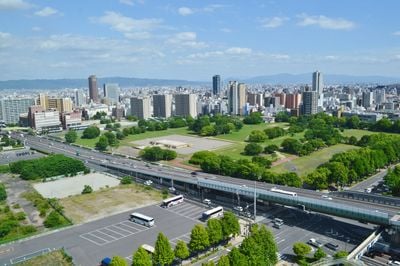
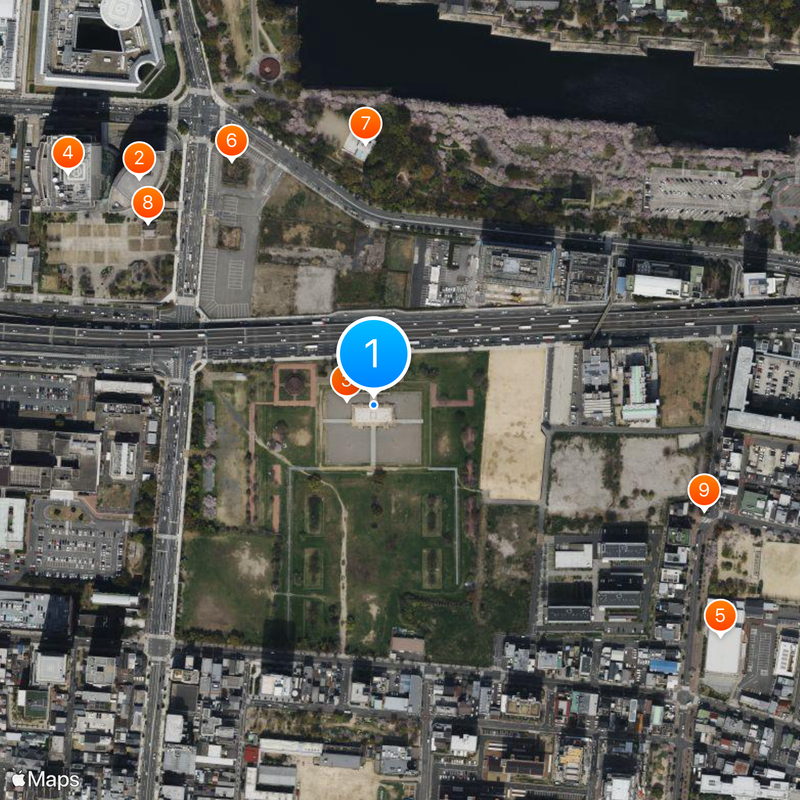
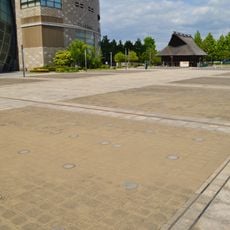
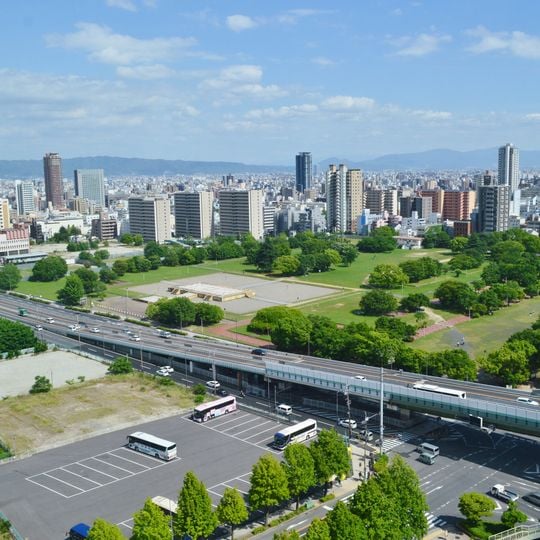
The palace appears today as a wide open archaeological field where low stone outlines trace the original room divisions and walkways across several hectares of flat ground. Visitors can read the scale of former throne halls and living quarters directly from the preserved foundations, which remain exactly where they were first laid.
The ruins sit on a raised plateau and are fully accessible on foot, with paved paths running between the foundations. An adjacent museum offers access to underground storage rooms and displays objects from the excavations, adding context to the outdoor walk.
Archaeologists discovered charred wooden remains from the first palace beneath the ruins of the second, pinpointing the exact timing of the fire. The overlap of both structures shows how later builders adopted and slightly expanded the older floor plans.
The community of curious travelers
AroundUs brings together thousands of curated places, local tips, and hidden gems, enriched daily by 91,333 contributors worldwide.