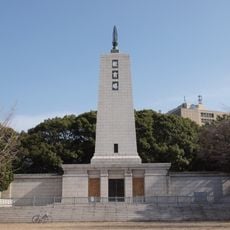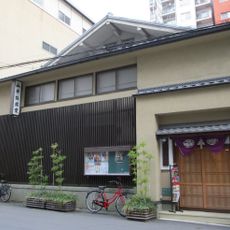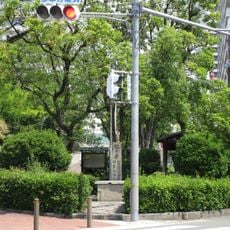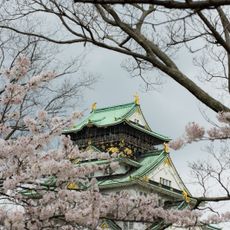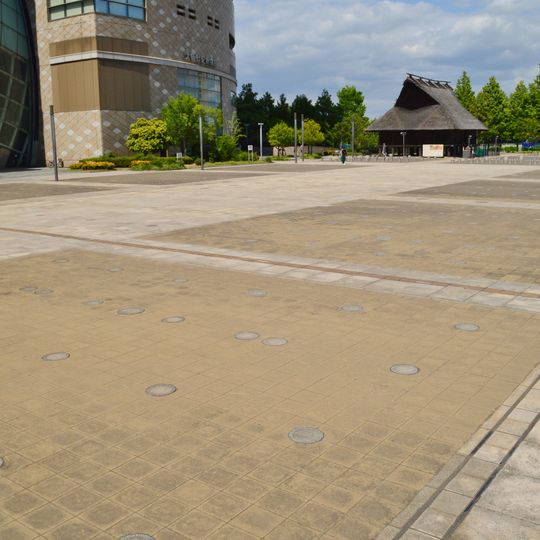
Hōenzaka Site, Archaeological excavation site in Ōtemae, Osaka, Japan.
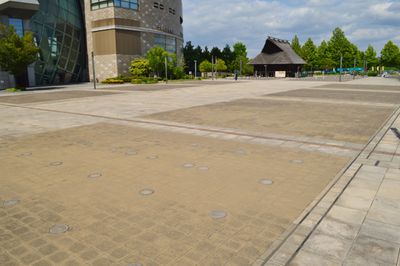
Hōenzaka Site is an archaeological excavation in Ōtemae, Osaka, holding preserved structures and objects from the 5th century. It displays raised-floor warehouses that show how people built their buildings in that ancient period.
Excavations in 1987 uncovered remains of Naniwa Palace structures, changing how people understood early Japanese urban development. This discovery revealed how advanced building methods were during that time.
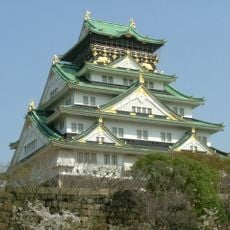
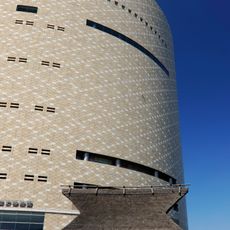
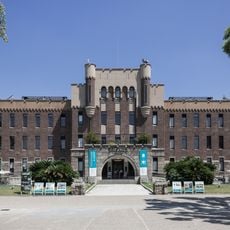
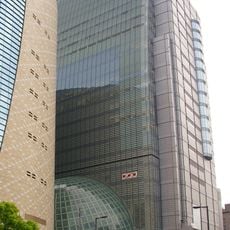
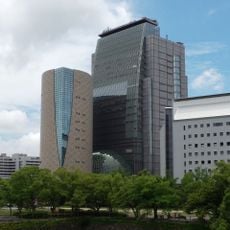
The site sits near the Osaka Museum of History, where visitors can see artifacts and reconstructions showing how people lived during the Kofun period. The displays help explain what daily objects were like and what everyday life looked like back then.
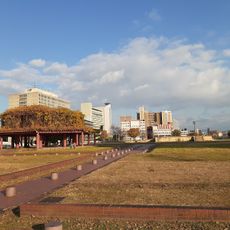
Visitors can walk through the exposed site and view the old structures up close with information panels nearby. Taking time to read the displays helps understand the layout and what the buildings once were.
The warehouses uncovered here rank among the oldest known examples of raised-floor storage in Japanese building history. This style was cutting-edge for its time and shows the technical skill of builders from that era.
The community of curious travelers
AroundUs brings together thousands of curated places, local tips, and hidden gems, enriched daily by 91,362 contributors worldwide.