Ōzu Castle, Japanese castle in Ōzu, Ehime Prefecture.
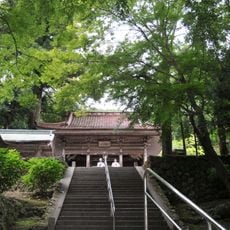
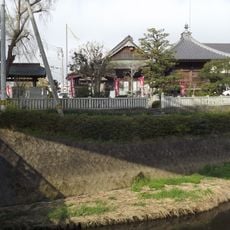
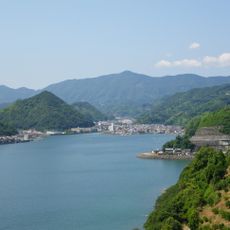
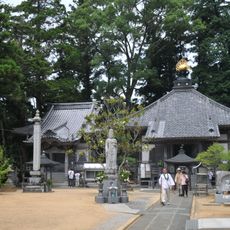
Ōzu Castle sits on elevated ground beside the Hijikawa River and features layered stone walls with wooden structures following traditional Japanese building methods. The site includes several buildings and pathways that guide visitors through the historical layout.
Utsunomiya Toyofusa built the first fortifications on the Jizōgatake mound around 1331. The compound took its later form between 1585 and 1617 under lords including Tōdō Takatora, and the Katō clan held it from 1617 until the Meiji Restoration. The keep was demolished in 1888 after deterioration, while four Edo-period turrets survived and were designated Important Cultural Properties in 1957. A wooden keep was rebuilt in 2004.
The castle's name changed from Ōtsu to Ōzu during Wakisaka Yasuharu's time, though some sources dispute this. A legend tells of a young woman named Ohiji, buried as a human sacrifice when the stone walls above the river proved difficult to build; the river was later called Hishi River (Hijikawa) and the castle Hishi Castle. The castle appears in the film Otoko wa Tsurai yo: Torajirō to Tonosama, where the lord is portrayed as a Tōdō rather than a Katō.
The castle sits roughly 25 minutes walk southwest of Iyo-Ozu station and is easy to reach on foot. Plan your visit in the morning when light falls on the stone walls and fewer visitors are around.
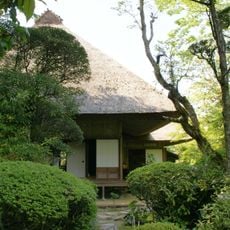
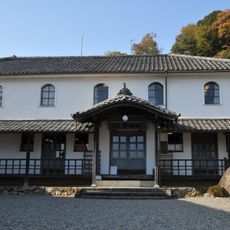
The castle offers the unusual chance to stay overnight as a guest, dining in the tower and having breakfast at the historic Garyu Sanso building. This experience lets a small number of visitors encounter the structure under conditions that echo life from earlier times.
The community of curious travelers
AroundUs brings together thousands of curated places, local tips, and hidden gems, enriched daily by 94,167 contributors worldwide.