Sukunahikona-jinja, Shinto shrine in Japan
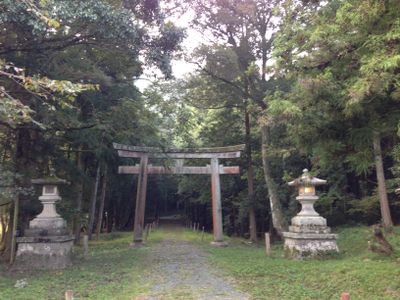
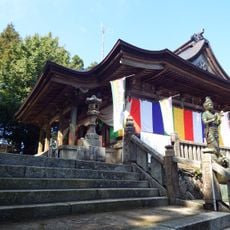
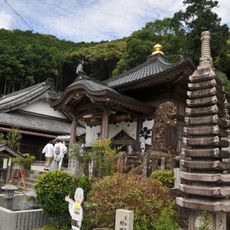
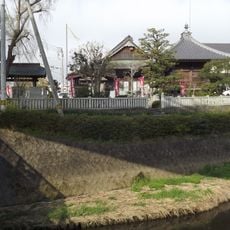
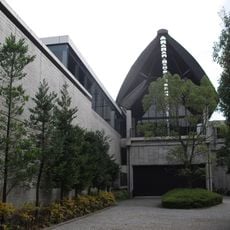
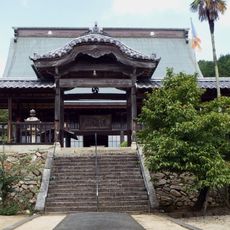
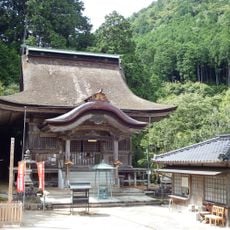
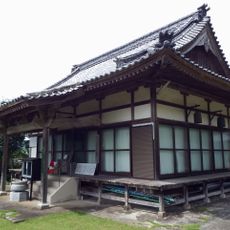
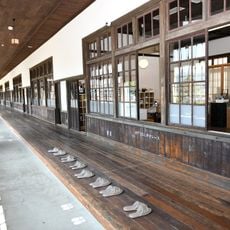
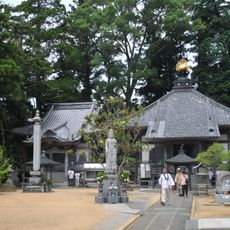
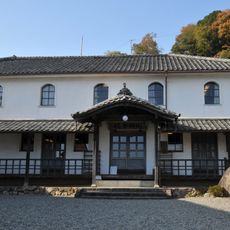
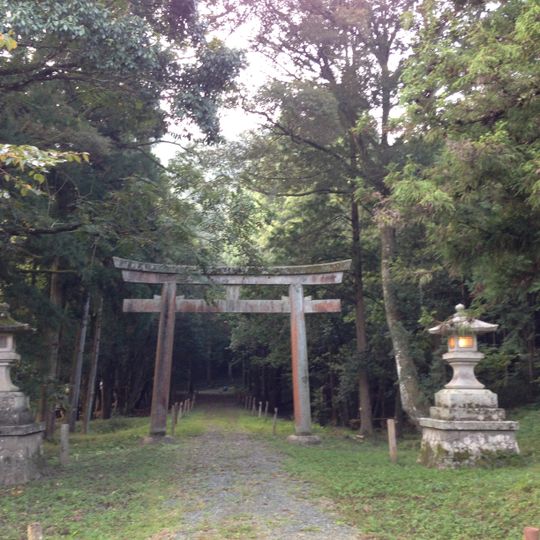
Sukunahikona-jinja is a small shrine in the city of Ōzu dedicated to a deity from Japan's oldest stories. The grounds feature quiet areas with ancient stone altars, a prayer hall, and the Sanroden building completed in 1934, which has large glass sliding doors on three sides offering views of surrounding trees and mountains.
The shrine was built in 1932, with the Sanroden hall added two years later featuring traditional woodwork. After World War II the site fell into disrepair, but in recent decades local groups have restored and rebuilt structures to keep the place alive for future generations.
The shrine honors Sukunahikona, a deity from Japan's oldest stories who helped shape the nation. Visitors can observe how the local community maintains traditions and keeps these ancient beliefs alive through regular gatherings and seasonal celebrations.
The shrine is open year-round with free entry and parking available nearby for visitors arriving by car. On weekends and holidays, volunteer guides are present during morning and afternoon hours to explain the site's history and cultural importance.
The shrine is known for Hariko no Tora, colorful papier-mache tiger charms that visitors carry for protection against illness. This living tradition connects ancient beliefs with a tangible reminder of the shrine's caring spirit that many people keep close at hand.
The community of curious travelers
AroundUs brings together thousands of curated places, local tips, and hidden gems, enriched daily by 91,683 contributors worldwide.