Itsukushima Jinja, Shinto shrine in Japan
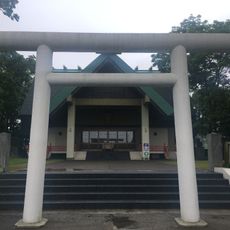
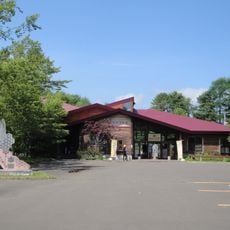
Itsukushima Jinja is a Shinto shrine on a plateau in the Kushiro district of Hokkaido, facing east over the Pacific near Cape Chikyu. Its main hall (honden), built in 1887 in the three-bay nagare-zukuri style, stands beside a worship hall rebuilt in 1952. The grounds adjoin Yonemachi Park and include the Ryujin and Inari shrines and the Kushiro Gokoku Shrine.
Sano Magouemon, contractor of the Kushiro trading post, founded the shrine in 1805 by installing a divided spirit of the Itsukushima Shrine of Aki Province to pray for safe fishing. The shrine was first recorded in 1809, when the Tōkō Manpitsu noted Benten, Inari and a mountain deity within the trading post. The shrine was moved to the Kanpira-dō in 1887 and to its present site in 1891.
The shrine has been a gathering place for the local community for over 200 years, where traditional practices remain alive. Visitors can observe and participate in simple rituals like clapping hands, ringing bells, and writing wishes on wooden plaques that flutter in the breeze.
The shrine is easy to reach from Kushiro Station by taking a bus to a nearby park and walking a few minutes on foot. The grounds are small and straightforward to explore, with friendly locals happy to share stories and point out details.
The shrine's Enkū statue of Kannon, carved around 1666–67, was moved here in 1799 by the official Matsuda Denjūrō, who linked the mountain name "Kusuri-dake" with Kushiro, then called "Kusuri". It was designated a Hokkaidō Tangible Cultural Property on 11 March 1977.
The community of curious travelers
AroundUs brings together thousands of curated places, local tips, and hidden gems, enriched daily by 94,331 contributors worldwide.