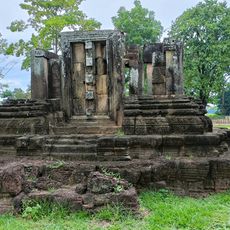
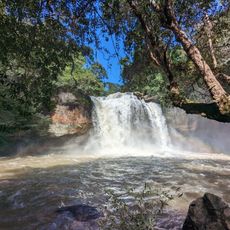
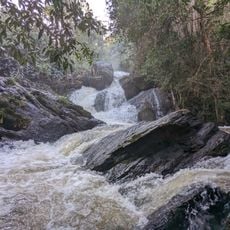
Indochinese Peninsula, Continental peninsula in Southeast Asia
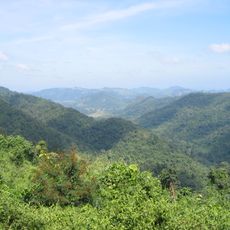
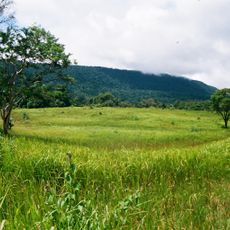
The Indochinese Peninsula extends southward from mainland Asia, bordered by the Bay of Bengal on one side and the South China Sea on the other. Major rivers cut through the landscape, creating fertile valleys and lowlands where most settlements developed.
Geographers named this region in the early 19th century, recognizing how Indian and Chinese cultures had both shaped its societies. These two civilizations influenced everything from trade networks to governance structures across the peninsula's many kingdoms.
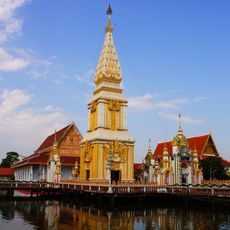
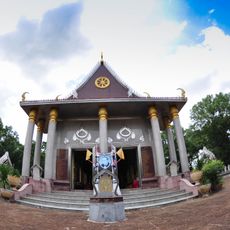
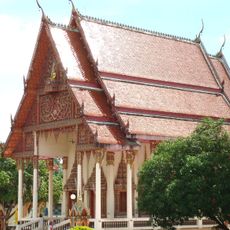
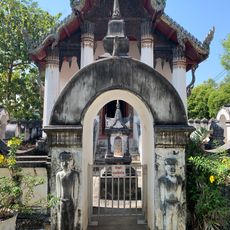
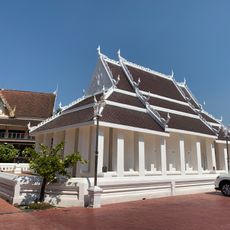
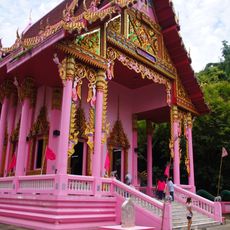
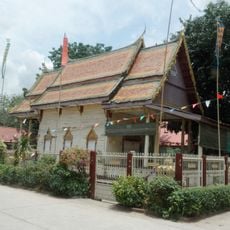
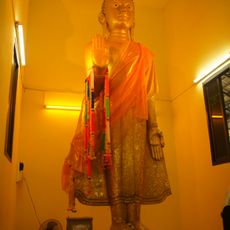
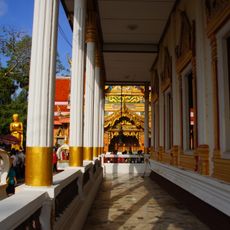
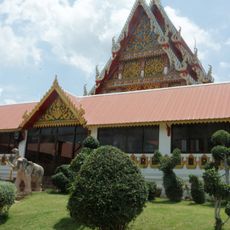
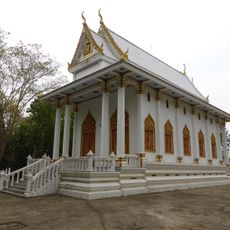
Buddhism shapes daily life across the peninsula, with temples visible in towns and villages where locals gather for worship and festivals. Religious traditions influence family customs and how people mark important life moments throughout the year.
The peninsula spans multiple countries, each with its own transportation networks and entry requirements for travelers. Climate and terrain vary significantly depending on which area you visit and the season you travel in.
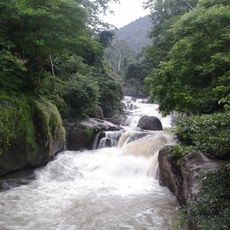
The peninsula is home to the Mekong River, one of Asia's longest waterways, which shapes how millions of people live and work. The river's seasonal floods have created the landscape and agricultural patterns visitors see throughout the region.
The community of curious travelers
AroundUs brings together thousands of curated places, local tips, and hidden gems, enriched daily by 92,783 contributors worldwide.