Taras Shevchenko museum, Literary museum in Fort Shevchenko, Kazakhstan.
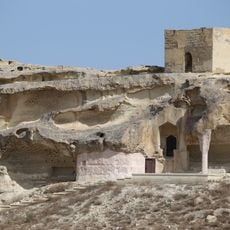
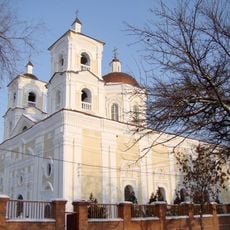
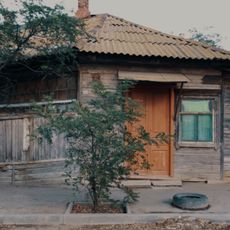
The Taras Shevchenko Museum occupies the former summer residence of fortress commander Irakliy Uskov, built in 1853 in Fort Shevchenko. Its rooms hold documents from Shevchenko's soldier service in the Novopetrovsk fortification, drawings from the Karatau expedition, a model of the fortification, and the poet's last self-portrait. A restored dugout and a well he dug are also part of the site.
The museum opened in 1932, the first on the Mangyshlak peninsula, in a building raised in 1853 as the summer residence of fortress commander Irakli Uskov. Uskov had Shevchenko transferred there from drill duty. The poet served at Novopetrovskoe fortification from 1850 to 1857, and in 2012 the museum marked its 80th year.
The museum's name honours Taras Shevchenko, who served in the Novopetrovsk fortification from 1850 to 1857. Its rooms hold a wall of Chumak carts' axles, recalling the salt traders of the Ukrainian steppe, and a model of the fortress where he stood guard 63 times in seven years. A caretaker, Nursulu Suin, recounts his years on Mangyshlak to visitors.
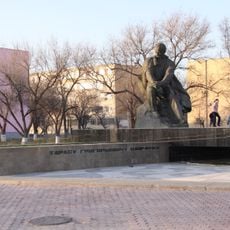
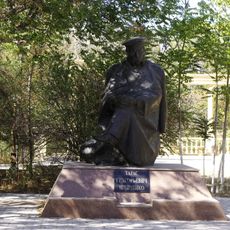
The museum occupies the former summer residence of fortress commander Irakli Uskov, a building over 150 years old. Visitors can descend into the dugout where Shevchenko lived, sit on his bench, and see the well he dug during a drought. The grounds include trees he planted and a monument to the poet.
The building was not built as a museum: it served as the summer residence of fortress commander Irakliy Uskov in 1853. Uskov exempted the soldier Shevchenko from drill and moved him there, ostensibly for household work. In the park nearby, trees planted by the exiled poet still grow, and a well he dug during a severe drought saved a nearby aul from death.
The community of curious travelers
AroundUs brings together thousands of curated places, local tips, and hidden gems, enriched daily by 93,519 contributors worldwide.