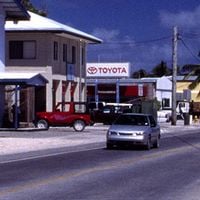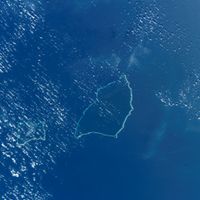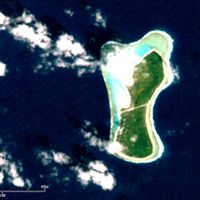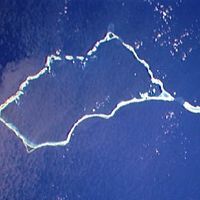
Marshall Islands, Island nation in Micronesia, Pacific Ocean.
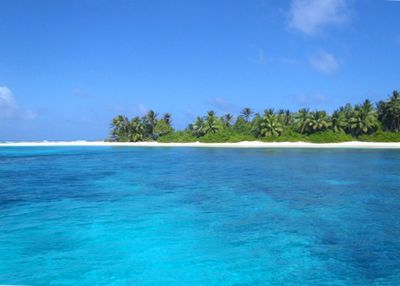
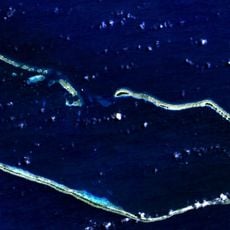
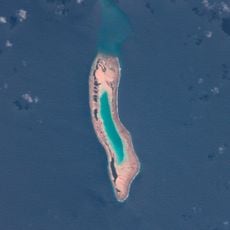
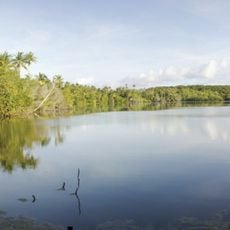
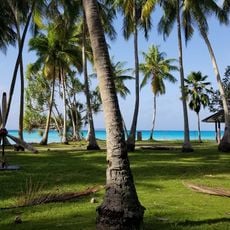
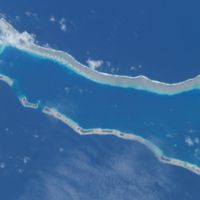
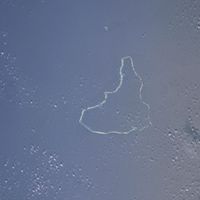
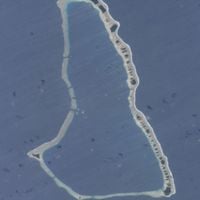
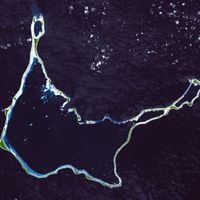
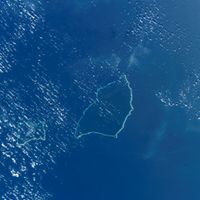
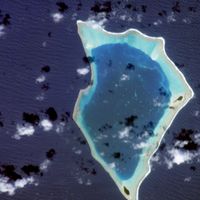
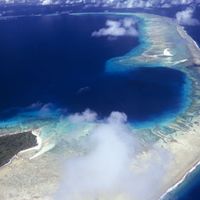
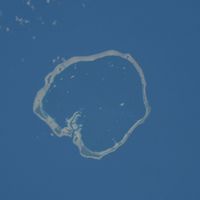
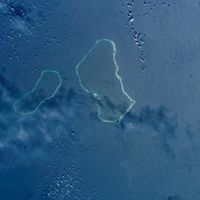
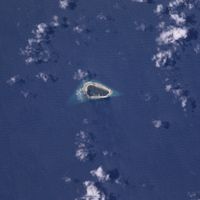
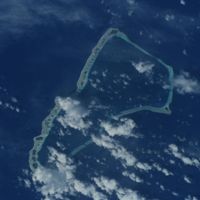
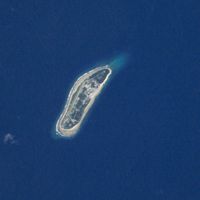
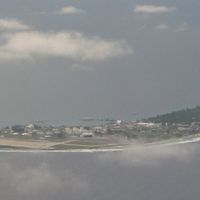
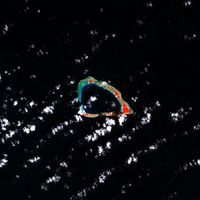
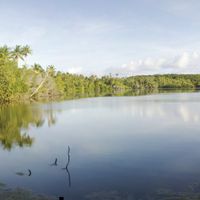
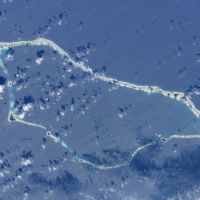
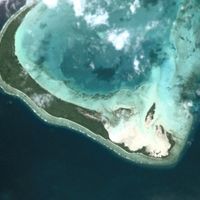
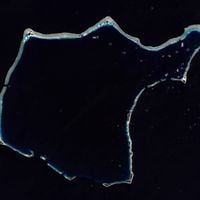
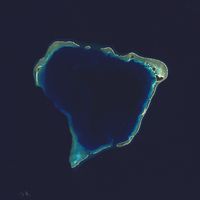
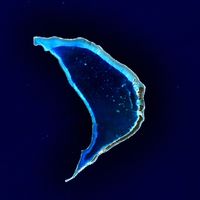
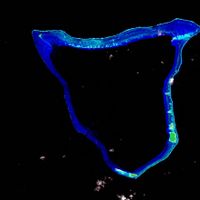
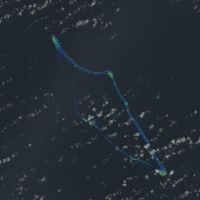
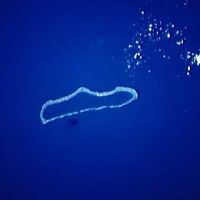
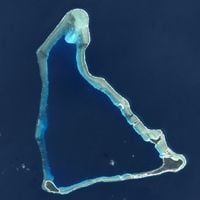
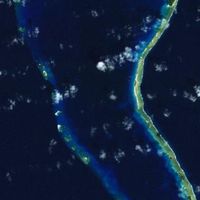
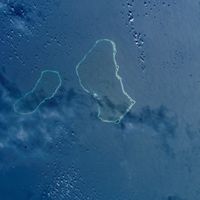
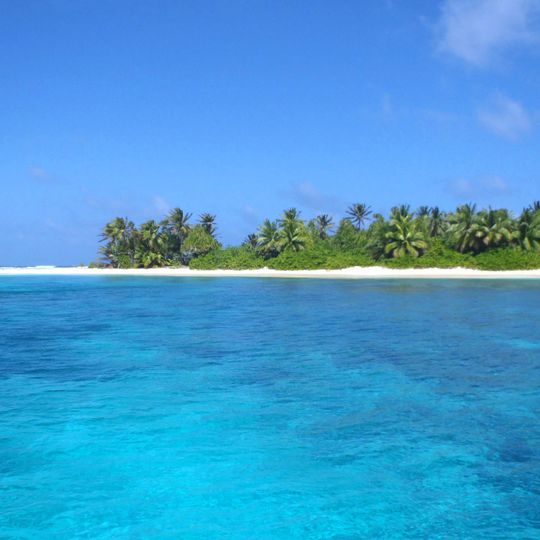
The Marshall Islands are an archipelago of 29 coral atolls and five individual islands in the Pacific, arranged in two parallel chains called Ratak in the east and Ralik in the west. The low-lying landforms enclose numerous lagoons with turquoise water, while coconut palms grow along the sandy shorelines.
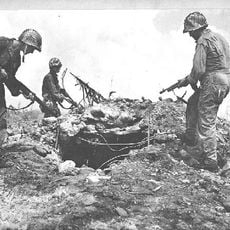
Micronesian settlers reached the atolls at least 2,000 years ago, before Spanish sailors arrived in the 16th century. Germany took control in 1885, Japan administered the area after World War I under League of Nations mandate, and after UN trusteeship the nation gained independence in 1986.
Marshallese use traditional stick charts made from palm ribs and shells that show wave patterns and currents between atolls, once used for navigation. These sea charts are still kept in some families and displayed during cultural gatherings, where older fishermen explain how they interpret them.
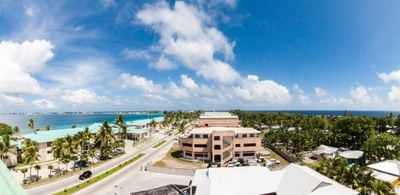
Majuro offers the main international airport with connections to Hawaii, Guam and other Pacific destinations, while the drier period from December to April makes travel easier. Most nationalities do not require an entry permit, though medical facilities are mainly confined to Majuro and Ebeye.
The country operates the third-largest ship registry worldwide with over 4,000 vessels sailing international cargo routes, despite having little land and a small population. This registration industry generates considerable government income through fees and licensing from foreign shipping companies.
The community of curious travelers
AroundUs brings together thousands of curated places, local tips, and hidden gems, enriched daily by 90,777 contributors worldwide.