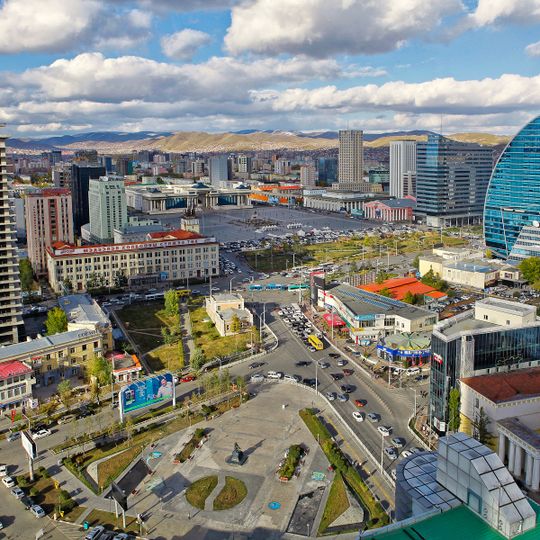
Ulaanbaatar, Capital city in north-central Mongolia
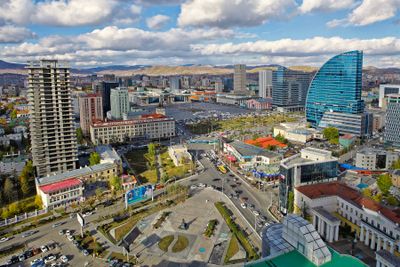
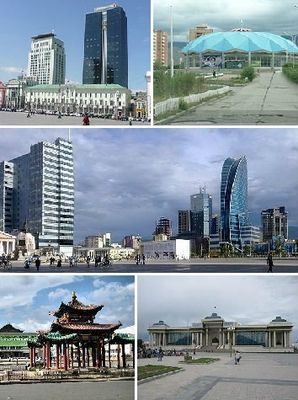
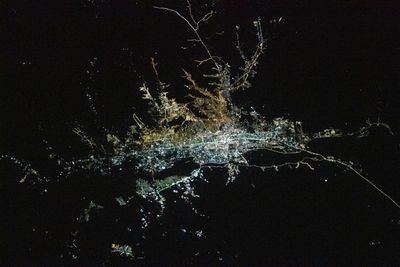
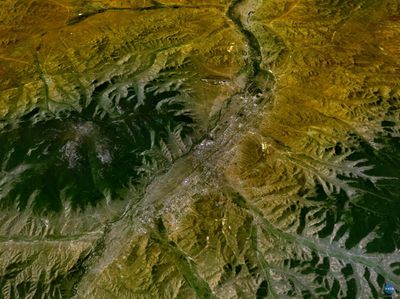
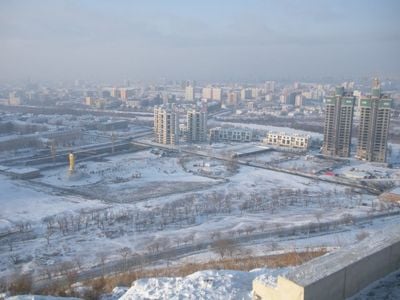
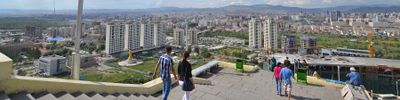
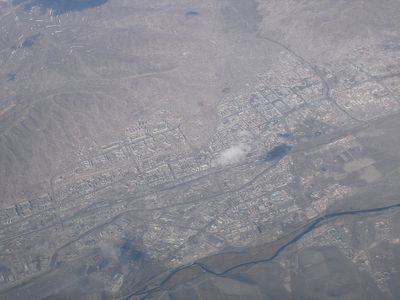
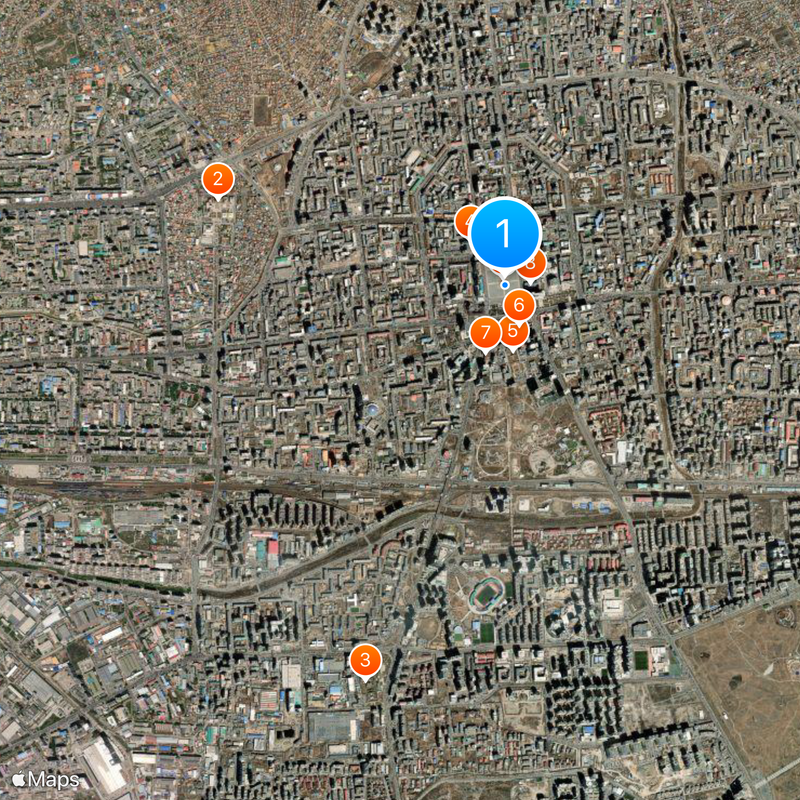
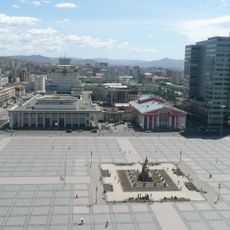
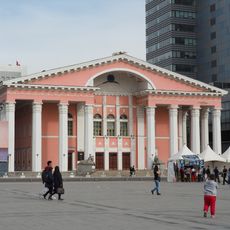
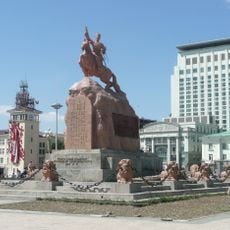
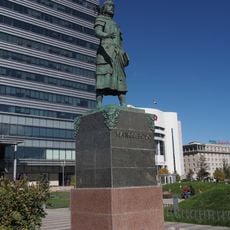
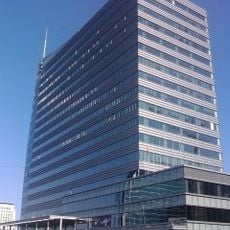
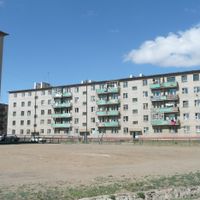
Ulaanbaatar is the capital in north-central Mongolia, spreading across a wide valley where Soviet-era apartment blocks stand beside modern shopping centers and glass office towers. Smoke rises from low districts on the outskirts where round gers crowd between simple wooden houses.
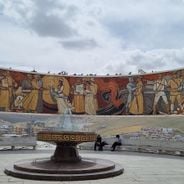
A Buddhist monastery founded the settlement in the 17th century, which moved several times before finding its permanent spot along the Tuul River. The capital grew after 1924 under Soviet influence, when broad avenues and large public buildings were constructed.
During July, locals gather for the Naadam festival celebrating traditional wrestling, archery and horse racing across the city. Buddhist monasteries attract daily worshippers who light incense sticks and spin prayer wheels in courtyards open to visitors.
Winters last from October through April with temperatures far below freezing, so visitors should bring multiple layers of warm clothing. The air is often dry and the sun shines frequently despite the cold, so sunscreen proves useful too.
The capital ranks as the coldest national capital in the world with January averages around minus 13 degrees Fahrenheit (minus 25 degrees Celsius). Despite modernization, many families still live in traditional gers in special districts on the edge where they keep goats and sheep.
The community of curious travelers
AroundUs brings together thousands of curated places, local tips, and hidden gems, enriched daily by 90,759 contributors worldwide.