Mongolia, Landlocked country in East Asia
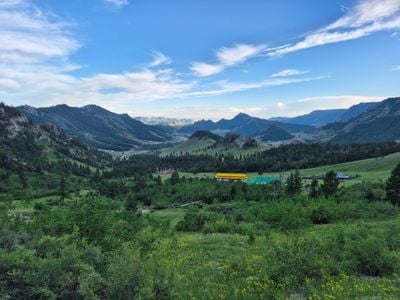
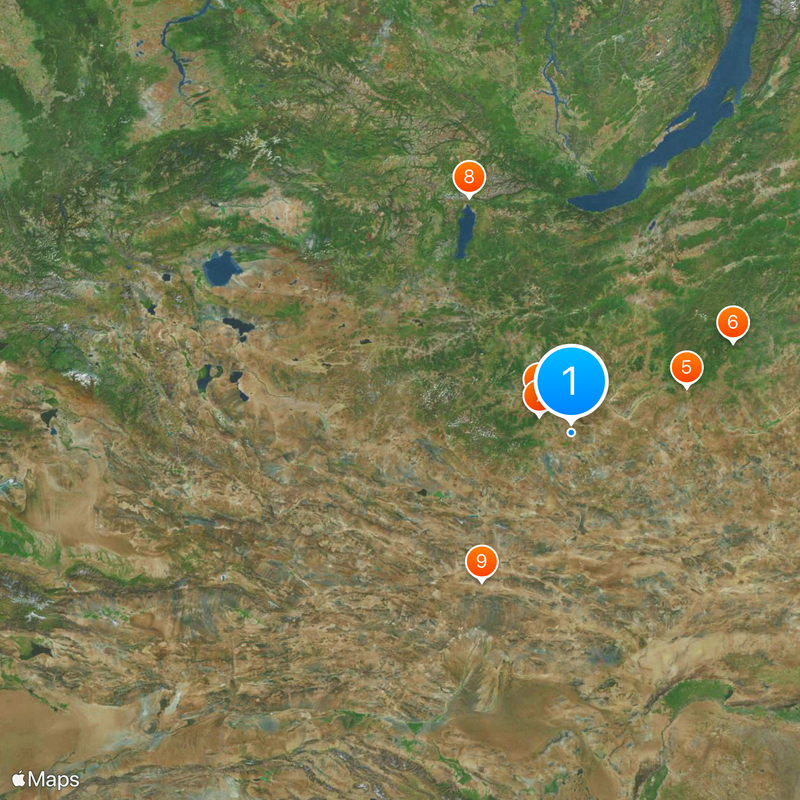
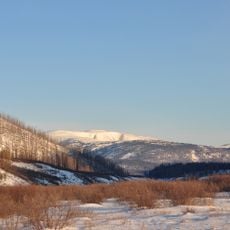
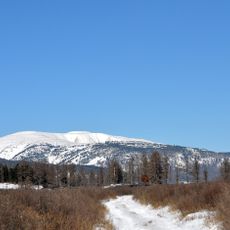
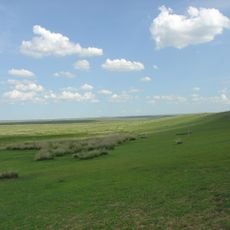
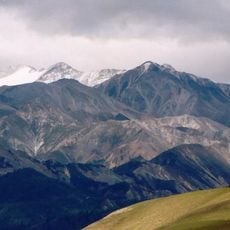
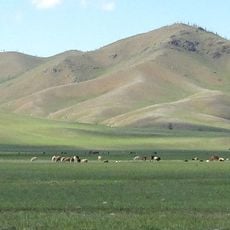
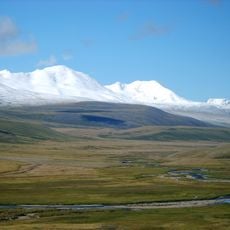
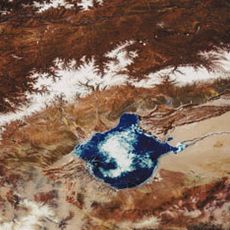
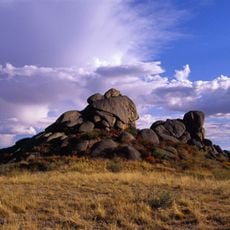
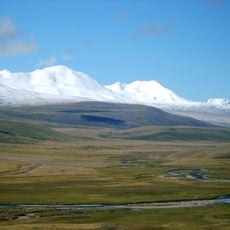
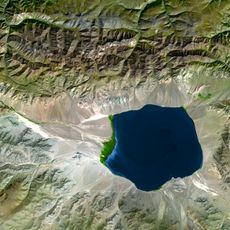
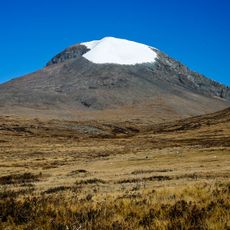
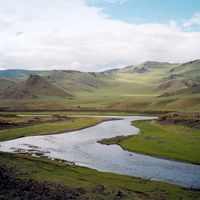
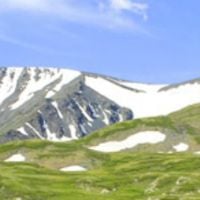
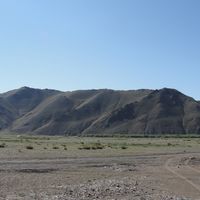
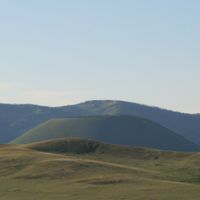
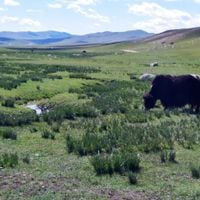
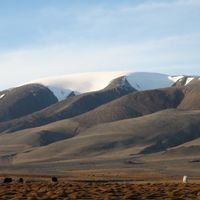
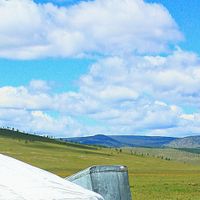
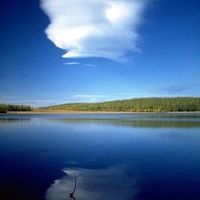
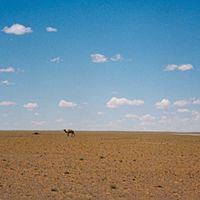
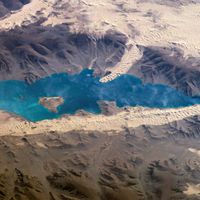
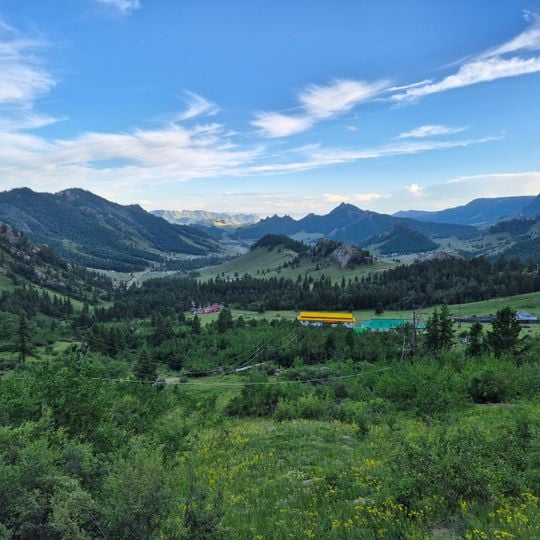
Mongolia is a country in Central Asia situated between China to the south and Russia to the north, shaped by steppes, mountain chains, and the Gobi Desert. The Altai range in the west forms high peaks, while endless grasslands stretch across the central plateau and rivers like the Orkhon flow through northern territories.
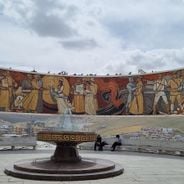
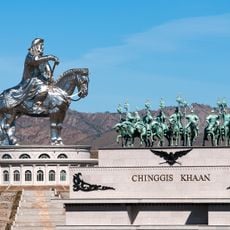
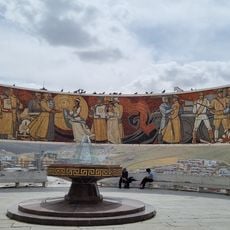
Genghis Khan united the tribes in the early 13th century and created an empire stretching from Korea to Eastern Europe. After centuries under Manchu rule, independence from China came in 1911, followed by the establishment of the world's second socialist republic in 1924 and a peaceful transition to democracy in 1990.
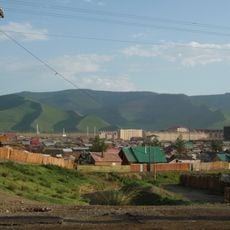
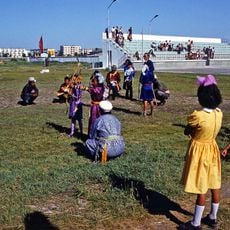
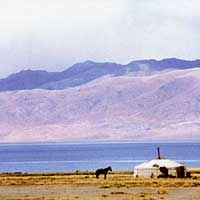
Archery, wrestling, and horse racing form the three traditional sports celebrated during the annual Naadam festival, bringing together communities across the nation. Felt-walled gers remain the dwelling of choice for herding families who move with their animals between summer and winter pastures.
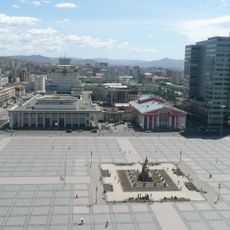
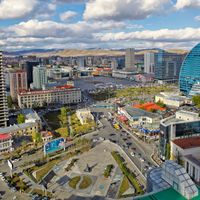
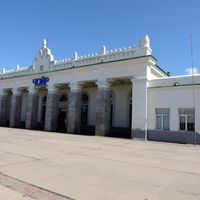
Ulaanbaatar serves as the main transport hub with an international airport offering connections to Beijing, Seoul, and Moscow, while the Trans-Siberian Railway crosses from south to north. Summer months between June and August are considered the best time to visit due to mild temperatures and accessible road conditions.
The nation ranks among the most sparsely populated areas on Earth with roughly 2 people per square kilometer. Nearly half of the total population lives in the capital, while some remote provinces record fewer than one person per 10 square kilometers.
The community of curious travelers
AroundUs brings together thousands of curated places, local tips, and hidden gems, enriched daily by 60,000 contributors worldwide.