See the monuments around you in AROpen chests in the app
Around Us is built for your phone — point your camera at the streets and discover the monuments and places around you in augmented reality.Around Us is built for your phone — chests unlock when you walk, explore and capture nearby places.
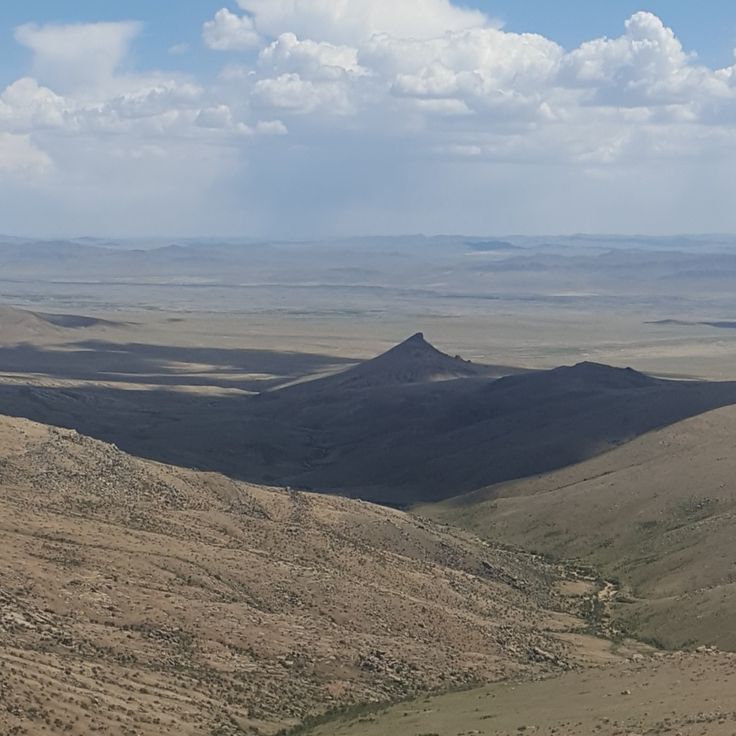
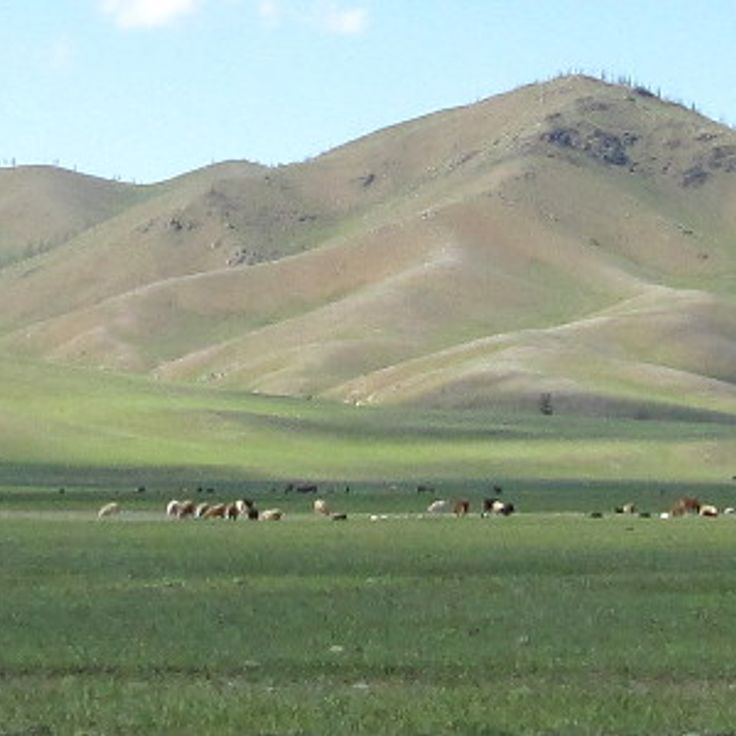
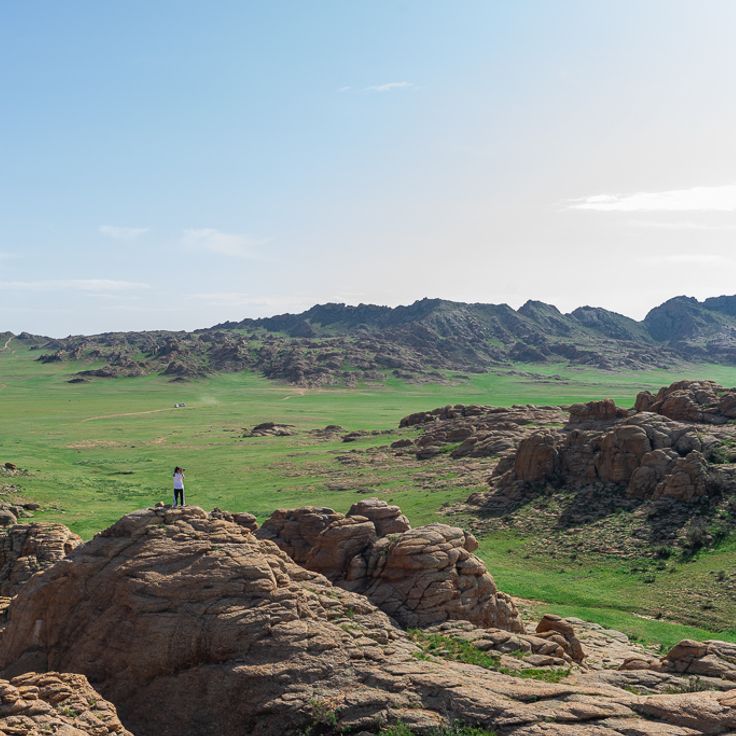
Mongolia offers visitors an array of landscapes shaped by nature and history. The country's protected areas range from vast deserts to mountain valleys, each with its own character. You can find sand dunes and weathered rock formations in the Gobi Desert, while Gurvan Saikhan and Gorkhi-Terelj National Parks showcase steep canyons and mountain peaks. The clear waters of Lake Khövsgöl draw people seeking a quieter setting, and the Orkhon Valley reveals layers of geological history through its volcanic terrain. These places show what Mongolia's wilderness looks like when you travel through it.
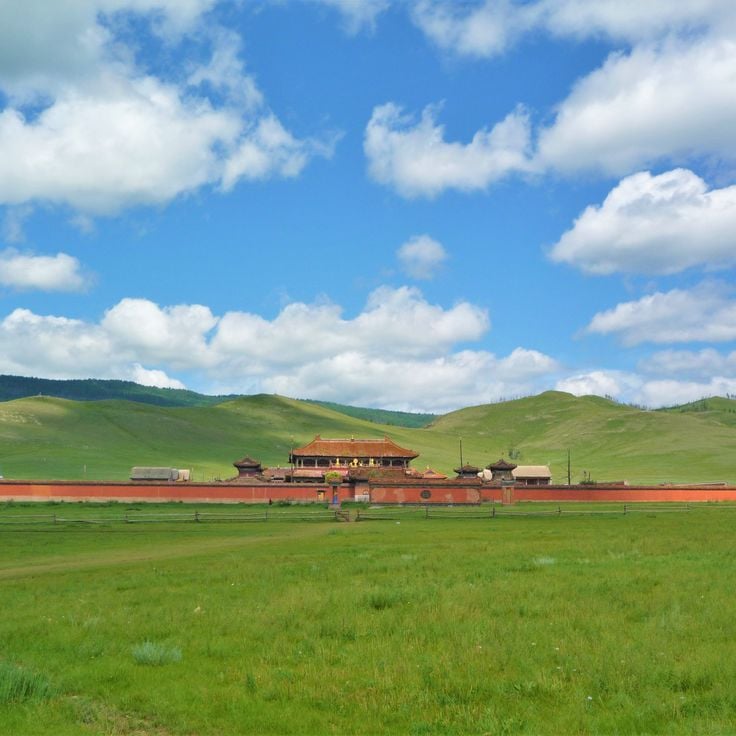
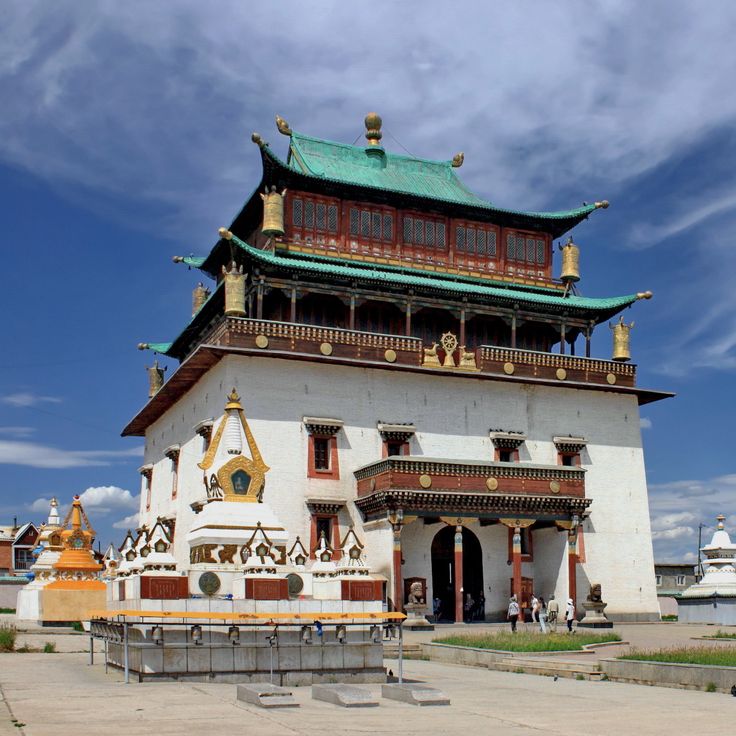
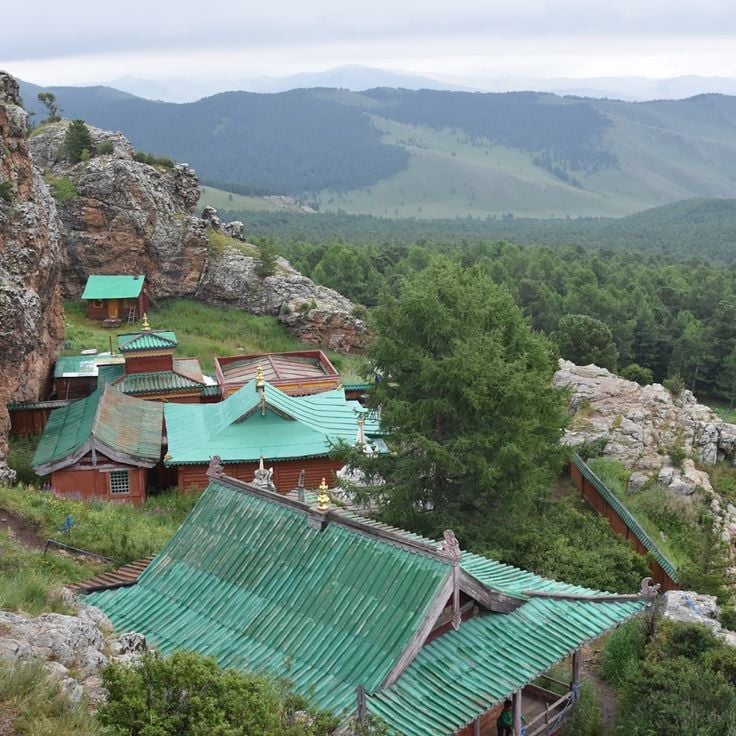
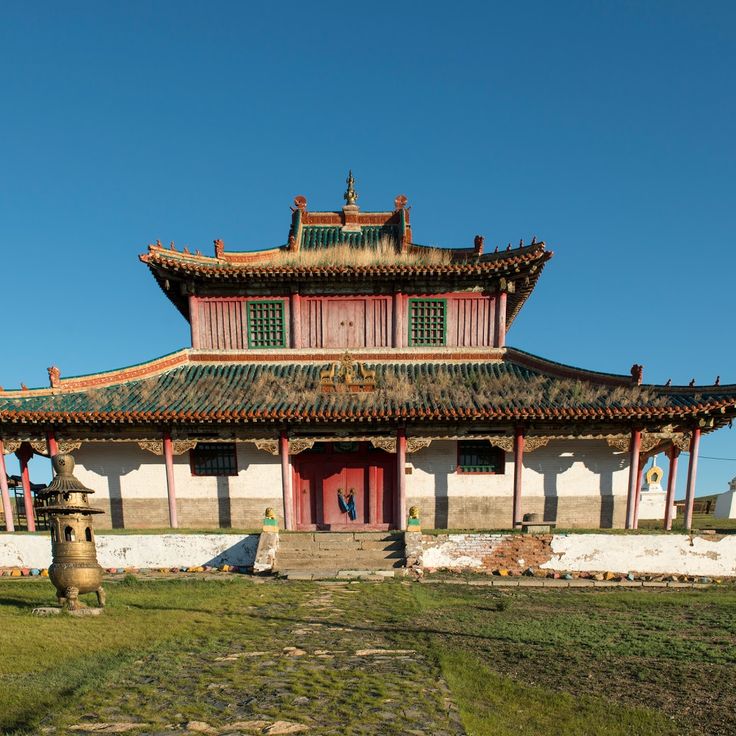
Beyond the natural landscape, Mongolia's spiritual side comes through in its monasteries. Amarbayasgalant and Erdene Zuu stand as reminders of Buddhist traditions that shaped the region for centuries. The buildings themselves tell stories through their architecture and the way they fit into the surrounding land. Monks still use these spaces for daily practice, making them living centers of faith rather than just historical sites.
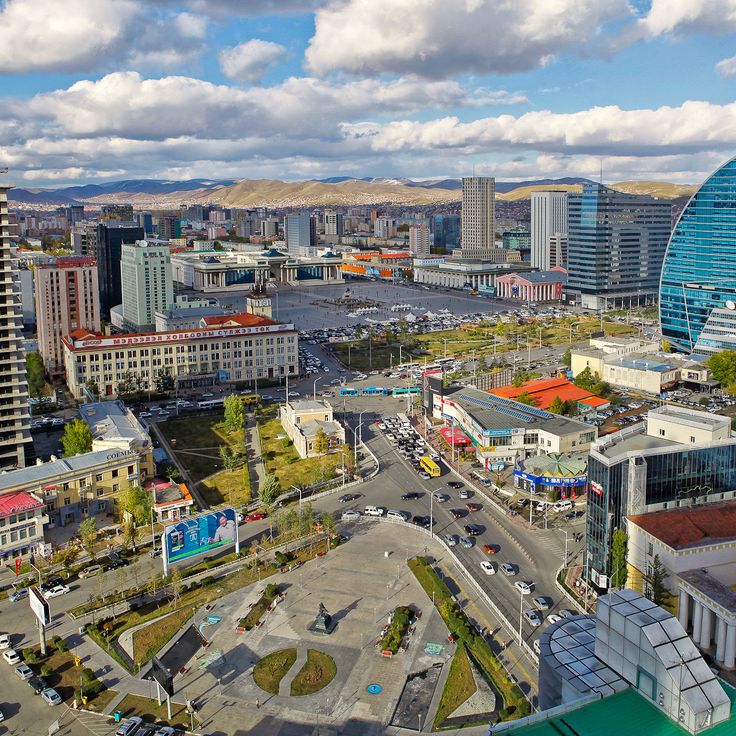
Ulaanbaatar, the capital city, sits at the crossroads of old and new. You walk past temples and traditional structures, then turn a corner to find contemporary buildings and modern streets. The city moves at its own pace, with markets, museums, and neighborhoods that reflect Mongolia's past and its present transformation.
Mongolia offers visitors an array of landscapes shaped by nature and history. The country's protected areas range from vast deserts to mountain valleys, each with its own character. You can find sand dunes and weathered rock formations in the Gobi Desert, while Gurvan Saikhan and Gorkhi-Terelj National Parks showcase steep canyons and mountain peaks. The clear waters of Lake Khövsgöl draw people seeking a quieter setting, and the Orkhon Valley reveals layers of geological history through its volcanic terrain. These places show what Mongolia's wilderness looks like when you travel through it.
Beyond the natural landscape, Mongolia's spiritual side comes through in its monasteries. Amarbayasgalant and Erdene Zuu stand as reminders of Buddhist traditions that shaped the region for centuries. The buildings themselves tell stories through their architecture and the way they fit into the surrounding land. Monks still use these spaces for daily practice, making them living centers of faith rather than just historical sites.
Ulaanbaatar, the capital city, sits at the crossroads of old and new. You walk past temples and traditional structures, then turn a corner to find contemporary buildings and modern streets. The city moves at its own pace, with markets, museums, and neighborhoods that reflect Mongolia's past and its present transformation.
Gurvan Saikhan National Park sits within the Gobi Desert and shows how varied Mongolia's landscapes can be. The park holds deep canyons, mountain ranges, and valleys that cut through the desert terrain. Vultures and wild sheep live here in their natural habitat. The park is one of the protected areas that preserve Mongolia's wilderness and reveal what nature looks like in this region.
The Gobi Desert is a vast expanse of desert landscape stretching between Mongolia and northern China. For visitors exploring Mongolia's natural spaces, the Gobi shows how the country looks in its drier regions. Sand dunes and weathered rock formations define the terrain here, and temperatures shift dramatically across seasons. Winter temperatures can drop to -40°C, while summer heat climbs above 50°C. These extreme conditions have shaped a landscape where only certain plants and animals survive. Fossils and ancient remains hint at life forms that once existed here. The Gobi is a place where you directly feel the force of nature.
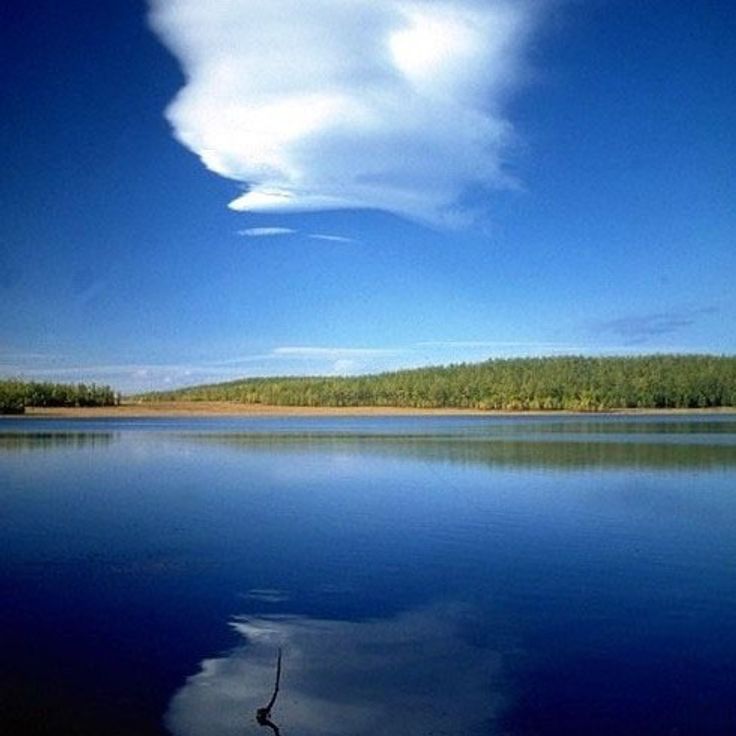
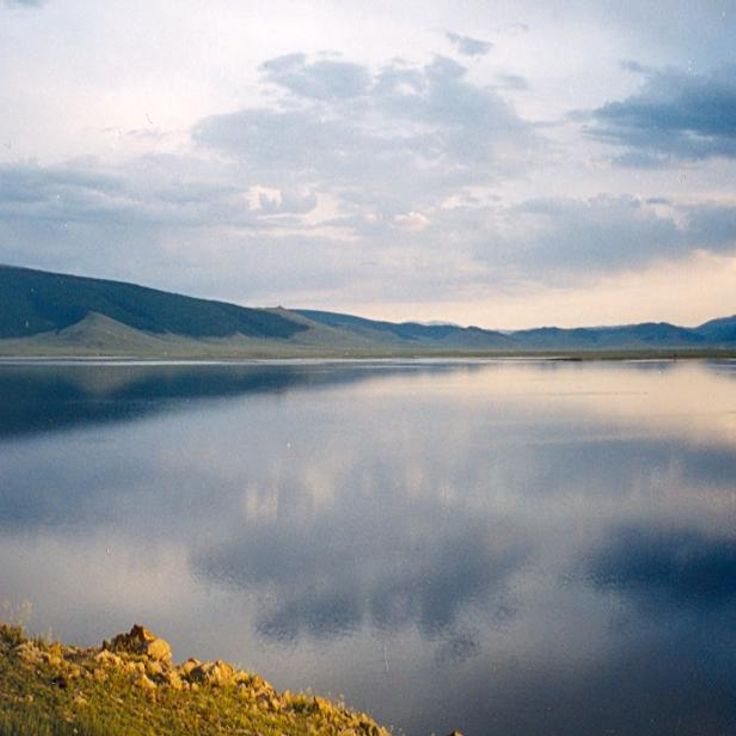
Lake Khövsgöl is Mongolia's deepest freshwater lake, situated in the northern part of the country near the Russian border. The water is clear and cold, and the setting makes it an important stop in this collection of major sites to visit. This lake draws people who seek a quieter experience than what other natural landscapes in Mongolia offer. Visitors come to enjoy the silence and watch the mountains that surround the water. The region around the lake sees fewer travelers than other national parks, and the light shifts across the water throughout the day. Those who camp or hike here discover that this place has its own pace and character.
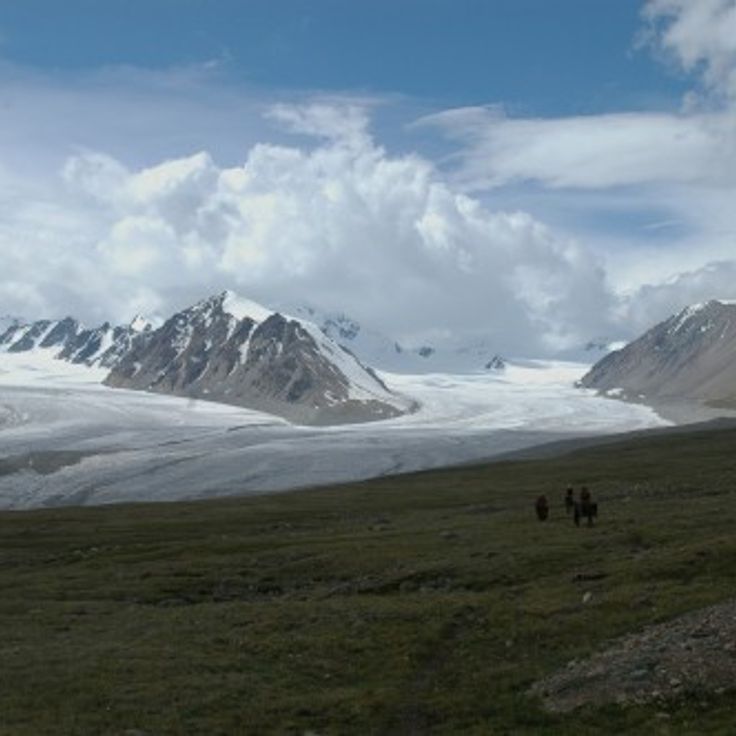
Altai Tavan Bogd National Park is a protected area that holds the highest peaks in Mongolia and three major glaciers. Within the context of Mongolia's key destinations, this park demonstrates the geological diversity and wilderness that defines the country's landscape. Alpine meadows in the park serve as grazing grounds for Kazakh herders, reflecting the traditional way of life in this mountain region. The park offers a window into Mongolia's high alpine terrain and how people have adapted to these remote environments.
The Orkhon Valley appears in this collection of major sites to visit in Mongolia and reveals layers of geological history through its volcanic terrain. In this valley, you find the ruins of Karakorum, the former capital of the Mongol Empire, alongside Buddhist monasteries and burial monuments. The Orkhon Valley shows how the land itself holds stories of settlement and spiritual practice across centuries. Walking through it, you can sense the weight of history embedded in the rocks and structures.
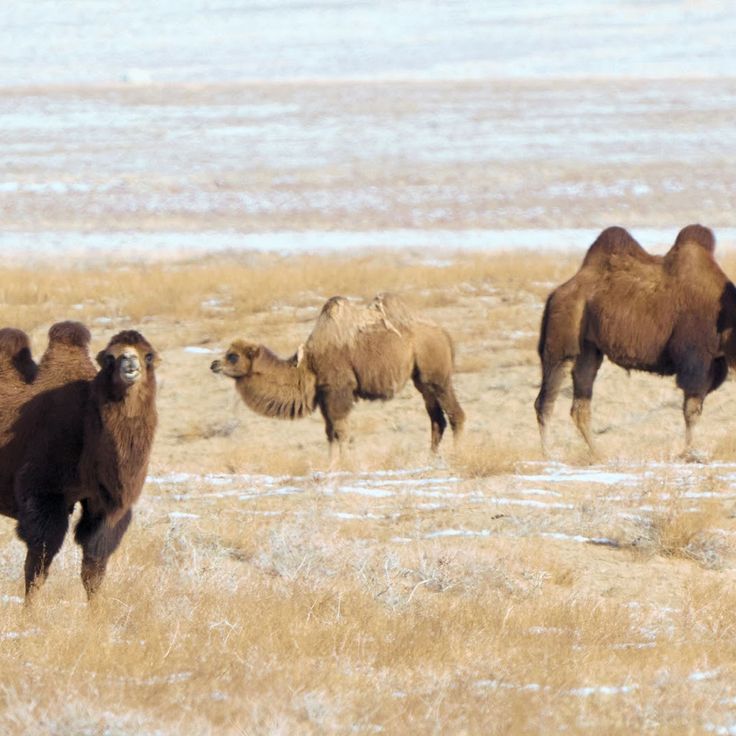
Hustai Nuruu National Park sits in the Töv Province of Mongolia and is known for the return of the Przewalski horse to the wild. Visitors can walk through open steppe and spot these horses roaming freely, along with wolves, deer, and gazelles. The rolling grasslands change color with the seasons.
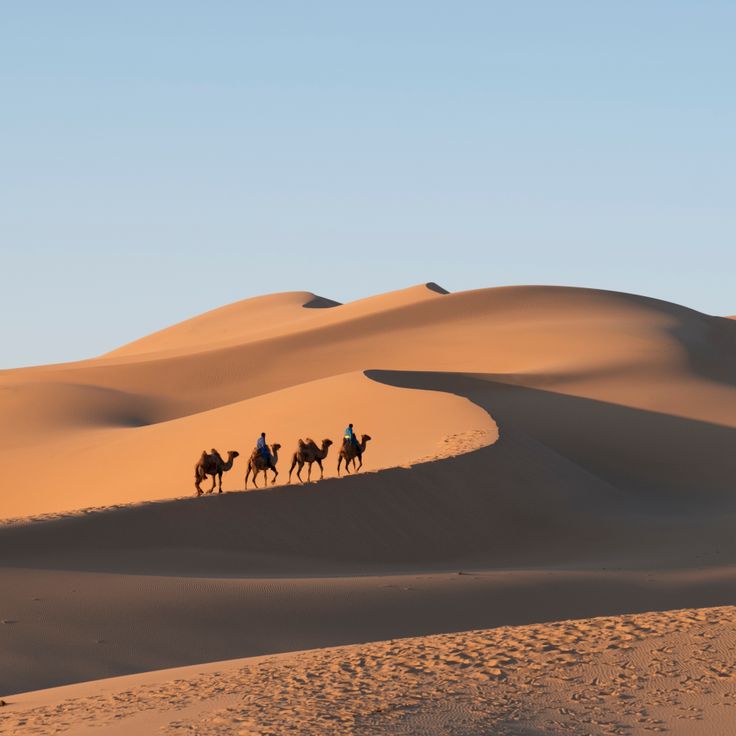
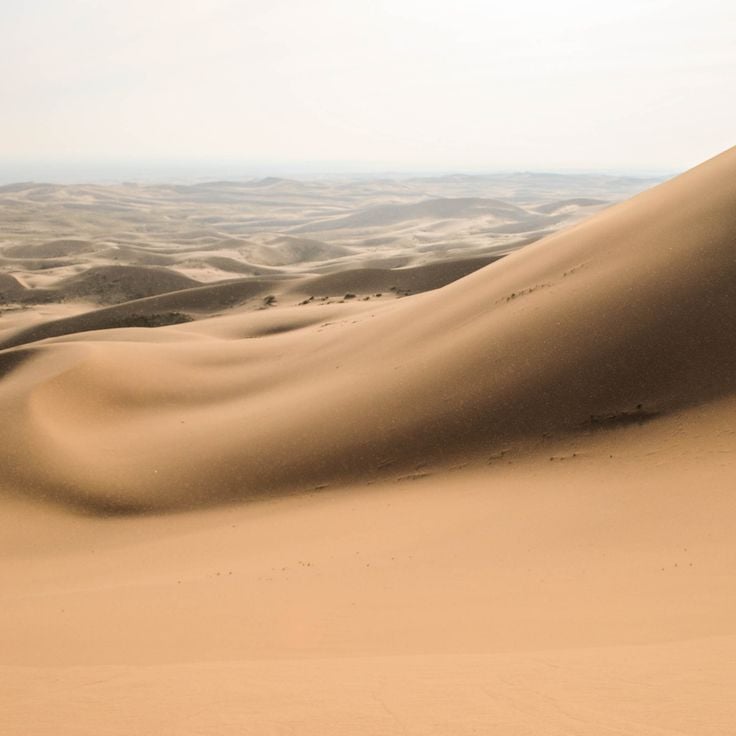
The Khongoryn Els are a series of sand dunes in Mongolia's Gobi Desert that stretch for 180 kilometers and reach heights of 300 meters. The wind creates distinct sounds as it moves across the dunes. These dunes are part of Mongolia's array of landscapes shaped by nature, ranging from vast deserts to mountain valleys. The Khongoryn Els show what the Gobi looks like at ground level - a place where sand formations and wind patterns create an ever-changing environment. Travelers come here to experience one of the desert's most remarkable features and understand the scale of Mongolia's wilderness.
Gorkhi-Terelj National Park sits about 40 kilometers from Ulaanbaatar and shows the varied landscapes that define Mongolia. Large rock formations rise from the ground, creating dramatic shapes against the sky. Alpine meadows spread across the terrain, open and green. A Buddhist monastery stands at the base of a mountain, connecting the natural landscape with the spiritual traditions that have shaped the region for centuries. Walking through the park, you pass between the rock formations and encounter views of surrounding mountains. The monastery remains an active place of practice, where monks continue their daily routines. This site represents the blend of nature and faith that visitors come to Mongolia to experience.
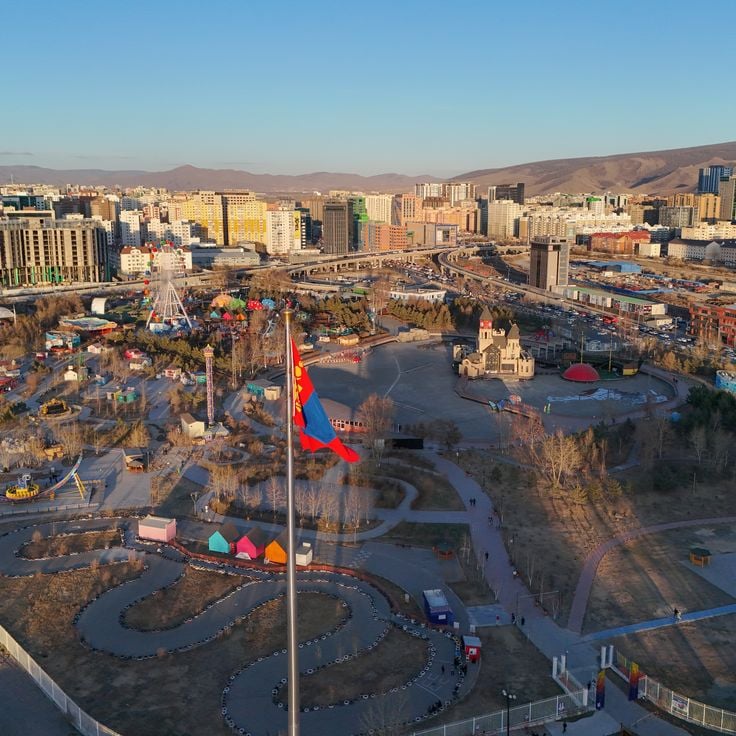
Ulaanbaatar is Mongolia's capital and largest city, sitting in a valley between four mountains where traditional temples stand alongside modern buildings. Walking through the city, you encounter markets, museums, and neighborhoods that show both Mongolia's past and its present transformation. The city has its own rhythm, with streets that blend old structures and contemporary architecture. This place reveals how Mongolia is balancing its spiritual traditions with the demands of modern urban life.
Amarbayasgalant Monastery is one of the major sites to visit in Mongolia that draws travelers seeking to understand the country's spiritual heritage. Founded in 1727, this monastery consists of 40 temples and buildings decorated with sculptures and paintings following Mongolian Buddhist traditions. The complex shows how Buddhist faith has shaped the region for centuries. Monks still gather here for daily practice, making this a living center of worship rather than merely a historical site. The buildings themselves reveal the relationship between faith and landscape that defines much of Mongolia's religious character.
Terkhiin Tsagaan Lake sits in Arkhangai Province and reveals Mongolia's volcanic past. This lake formed thousands of years ago when a volcanic eruption reshaped the land, and it covers roughly 16 square kilometers. The water glows deep blue while black basaltic rocks line the shores in sharp contrast. The lake fits into Mongolia's collection of natural landscapes shaped by geological forces. Visitors can see how nature's power continues to define the land, with the volcanic rocks telling the story of events that happened long ago.
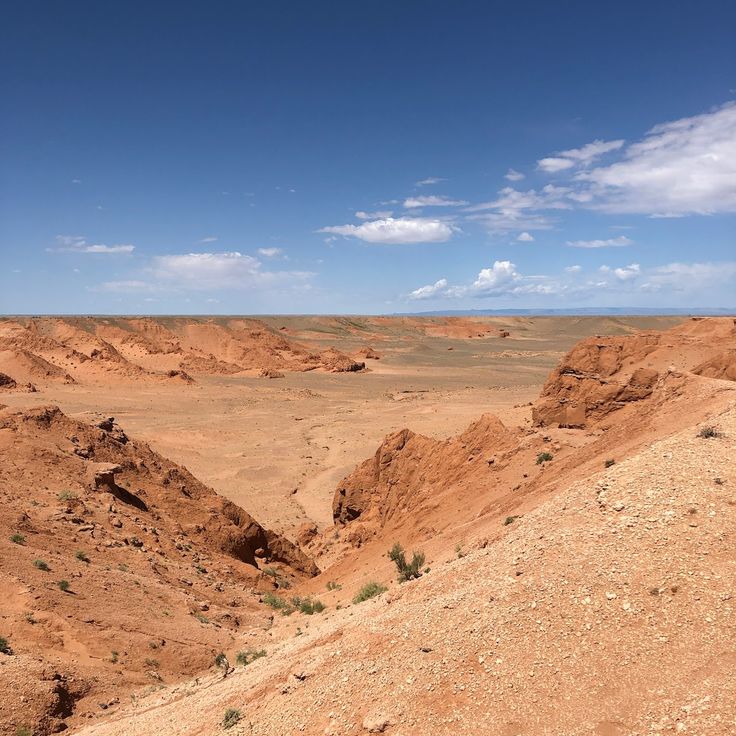
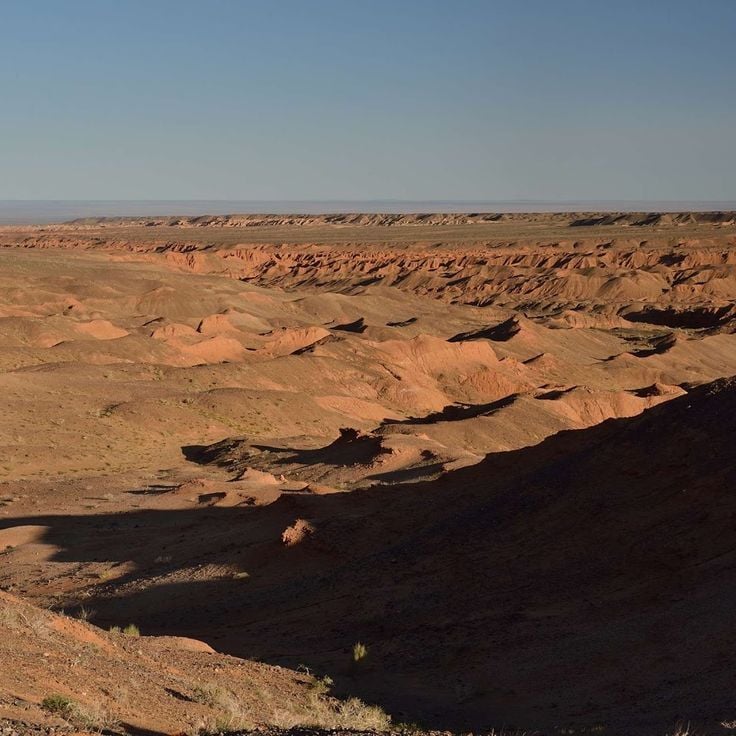
Bayanzag is an area of red sandstone cliffs in Ömnögovi Province. Dinosaur bones and fossilized egg nests from the Late Cretaceous period were found here. The site shows Mongolia's geological story through its rock formations and the fossils preserved in the stone layers. Visitors come to explore the landscape and see traces of animals that lived here millions of years ago.
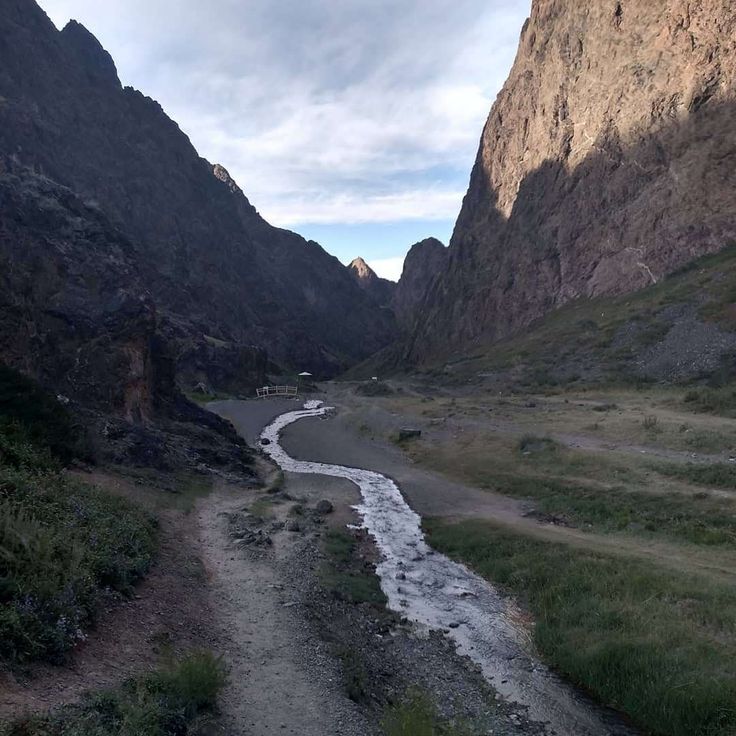
Yolyn Am is a narrow gorge in the Gobi Desert, fitting into this collection of major sites to visit in Mongolia. The gorge impresses with its vertical rock walls that tower overhead and create a dramatic setting. Bearded vultures live here, circling along the cliffs. In winter, ice persists in the lower sections, giving the gorge a different character.
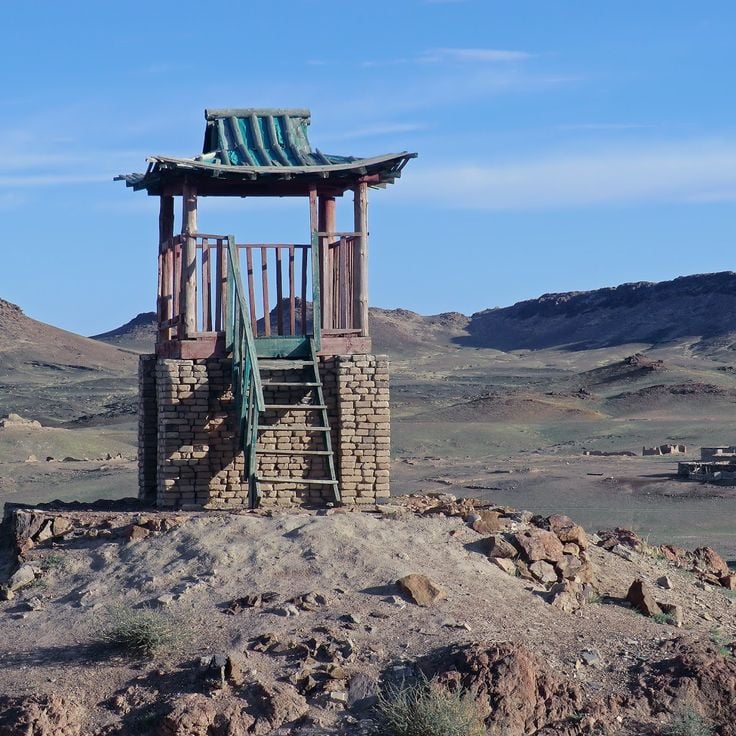
Ongiin Khiid Monastery is a 17th-century Buddhist site that was destroyed in 1939. Today, ruins of two complexes remain along the banks of the Ongiin River, with foundations and walls marking where the monastery once stood. This site fits into Mongolia's collection of spiritual places, where Buddhist traditions have shaped the region for centuries. When you visit the ruins, you can trace how the monastery once fit into the landscape and what remains of its physical presence.
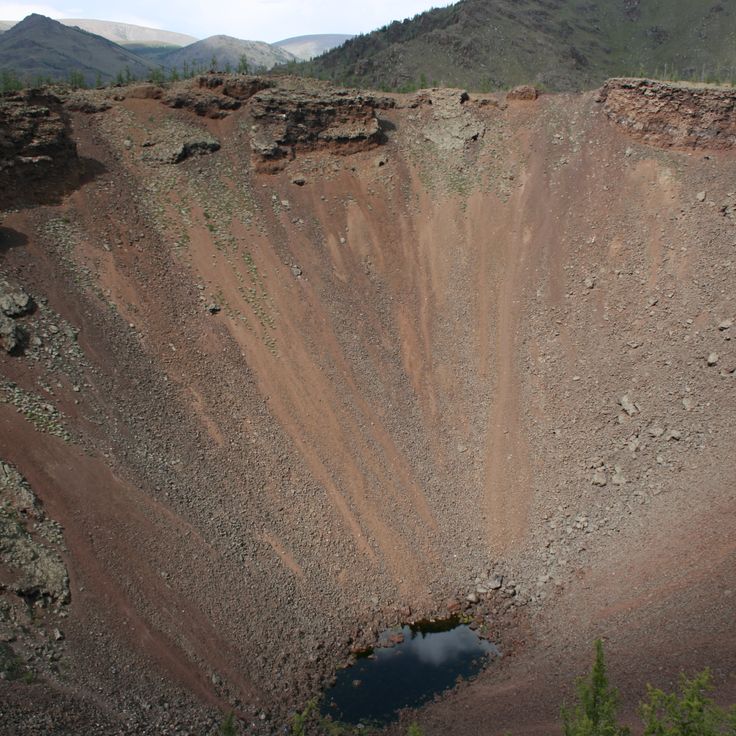
Khorgo Volcano is an extinct volcano rising to 2240 meters that dominates the landscape of central Mongolia. Its crater measures 200 meters across and descends 80 meters into the earth. Black lava flows spread for several kilometers across the surrounding terrain, creating a stark and distinctive terrain. This volcano is part of Mongolia's geological heritage, revealing the volcanic forces that shaped the Orkhon Valley region. Walking across the dark rock formations gives visitors a direct sense of the region's dramatic past and the raw power of nature.
Gandan Monastery is a Tibetan Buddhist monastery in Ulaanbaatar and represents one of the major spiritual centers showing Mongolia's Buddhist traditions. Founded in 1835, this monastery consists of several temples arranged across the complex. A towering Buddha statue reaches 26 meters high and stands visible from a distance. Today, more than 150 monks live here and practice their daily rituals, making this monastery a living center of faith rather than just a historical site.
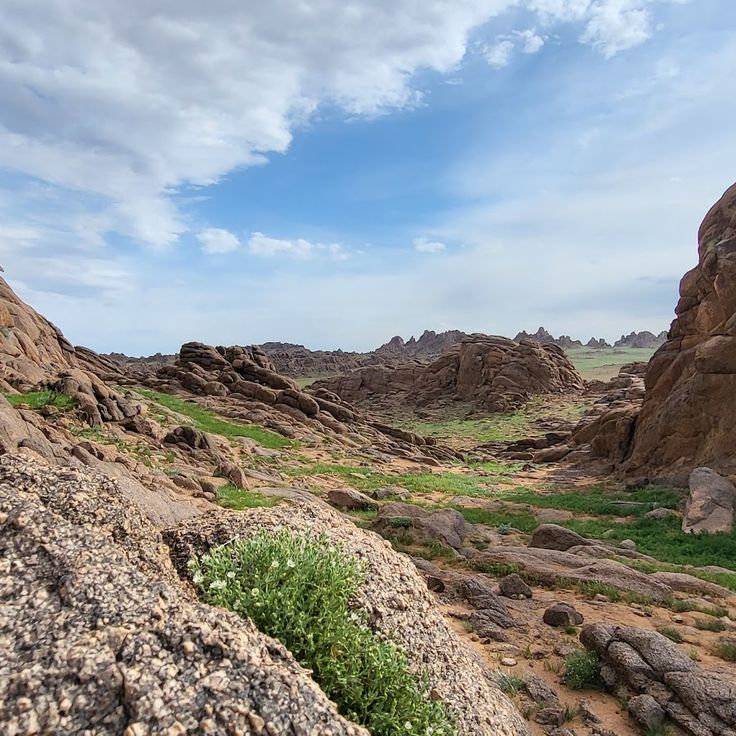
Ikh Gazryn Chuluu is a granite formation in the eastern Gobi Desert that showcases the geological variety found across Mongolia. The site rises from the flat desert landscape with massive boulders creating natural caves and passages. Water sources at Ikh Gazryn Chuluu make it a significant location in this arid region. The exposed rock formations reveal the layers of time through their structure and composition.
Erdene Zuu Monastery in this collection of major sites showcases the Buddhist spirituality that shaped Mongolia for centuries. Built in 1585, it uses stones from the ancient city of Karakorum. The monastery features 108 white stupas arranged in a square pattern around three main temples at its center. Monks still practice here daily, making it a living center of faith. As you walk through the grounds, the architecture speaks to the way spiritual traditions fit into the landscape. The stones themselves carry traces of the ancient capital that once stood nearby.
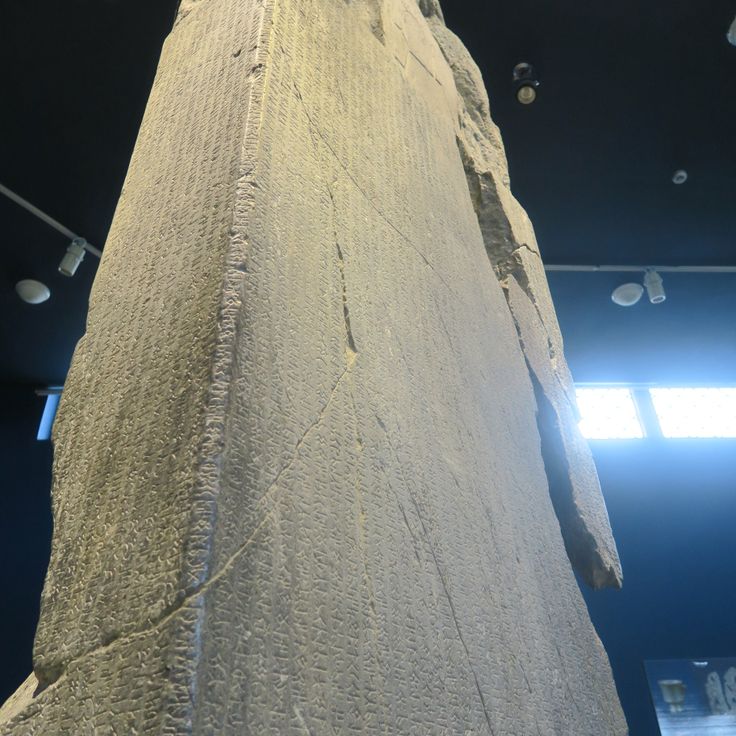
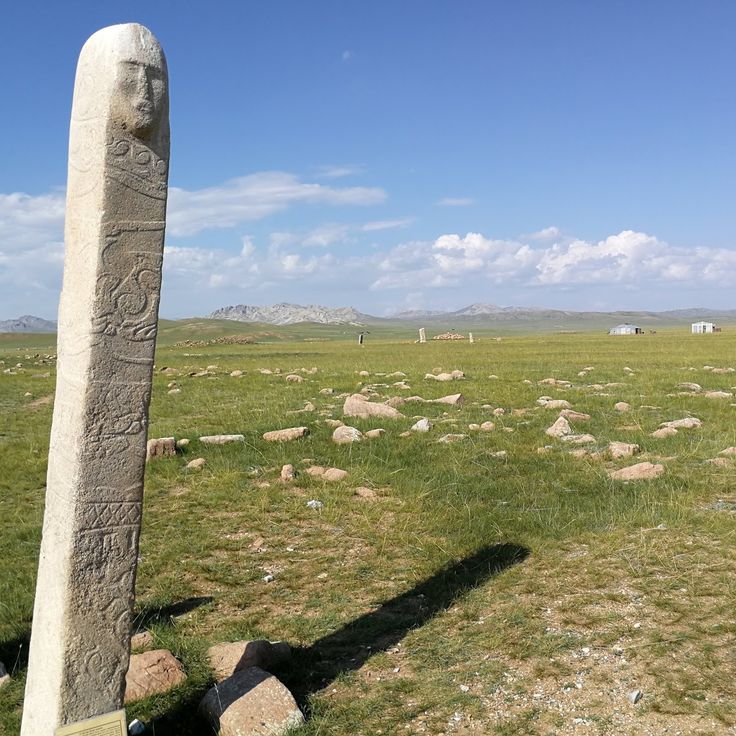
The Deer Stones of Uushigiin Uver are a group of 14 stone slabs from the Bronze Age that stand among Mongolia's most important archaeological finds. Each stone is carved with images of deer and shows the artistic skills of ancient peoples who lived in this region. The steles range from 1.5 to 4 meters in height and serve as records of a civilization that shaped Mongolia's early history. These stones help visitors understand how people honored animals and created lasting monuments thousands of years ago.
Tövkhön Monastery is part of Mongolia's spiritual sites that reveal the Buddhist traditions shaping the region. Built in 1648 on the sacred mountain of Shireet Ulaan at 2312 meters elevation, this monastery includes several shrines and meditation caves nestled into the mountainside. Monks continue to use this space for daily practice, making it a living center of faith rather than just a historical site. The setting shows how the buildings fit into the surrounding land, with the structures and the mountain forming a single landscape.
Shankh Monastery is a religious center founded in 1647 by Zanabazar that fits into Mongolia's spiritual landscape. The monastery houses a collection of Buddhist texts and historical ritual objects that embody centuries of faith and tradition. This site shows how monasteries in the region function as living centers of Buddhist practice, where monks use these spaces for their daily work. The buildings tell stories through their architecture and the way they connect to the land around them, revealing Mongolia's religious past.
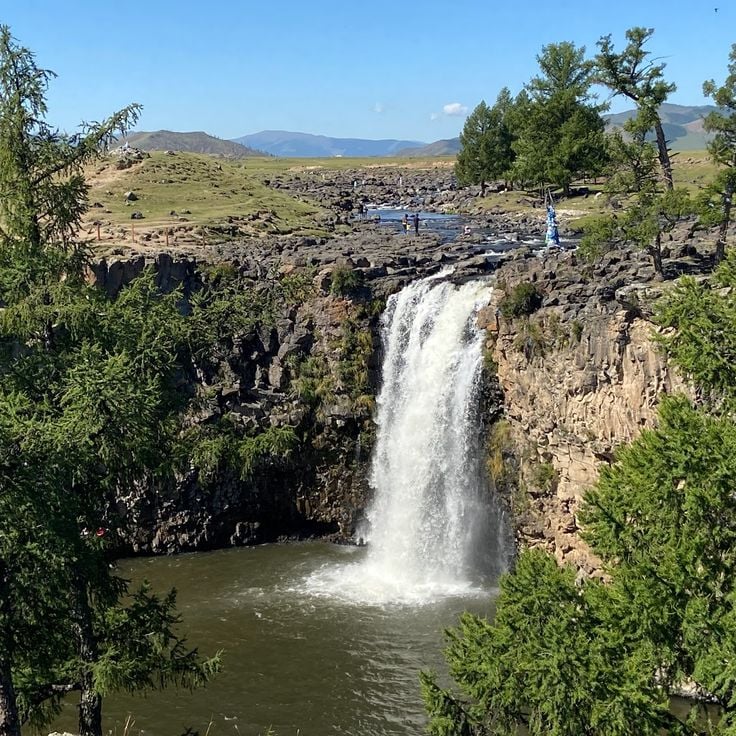
Orkhon Waterfalls are a natural feature you encounter while traveling through Mongolia's wilderness. The Ulaan Tsutgalan river drops about 16 meters over a rocky ledge, creating a powerful display of moving water. The flow originates from the Khangai Mountains and collects in a natural basin below the falls. This waterfall shows how water shapes the land and fits into the larger geological story of the Orkhon Valley. Visitors come here to witness the force of nature and understand how Mongolia's terrain formed over time.
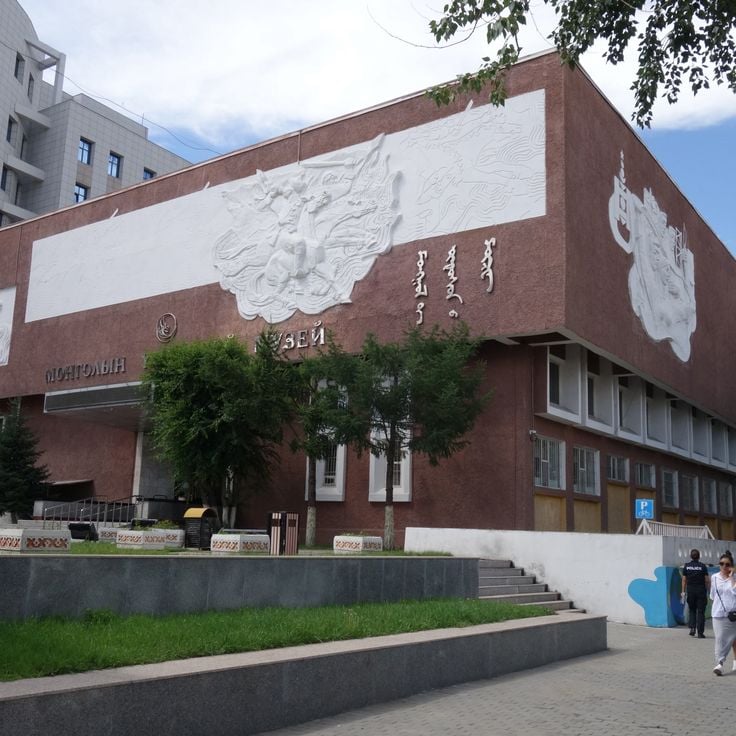
The National History Museum displays Mongolia's history from prehistoric times to the present day. Its collection includes traditional clothing, weapons, and objects from nomadic life. The museum helps you understand how people here lived in the past and how the country has changed. The exhibitions show who Mongols are and what role they played in history.
Baga Gazryn Chuluu is a granite area in the Gobi Desert, part of Mongolia's array of landscapes shaped by nature and history. Located at about 1500 meters altitude, the rocks here have been sculpted by erosion into natural forms that catch your eye as you walk through the terrain. This place demonstrates how wind and water work on stone over centuries, creating the desert's distinctive rock formations. Visiting Baga Gazryn Chuluu gives you a chance to see how Mongolia's wilderness takes shape through geological processes.
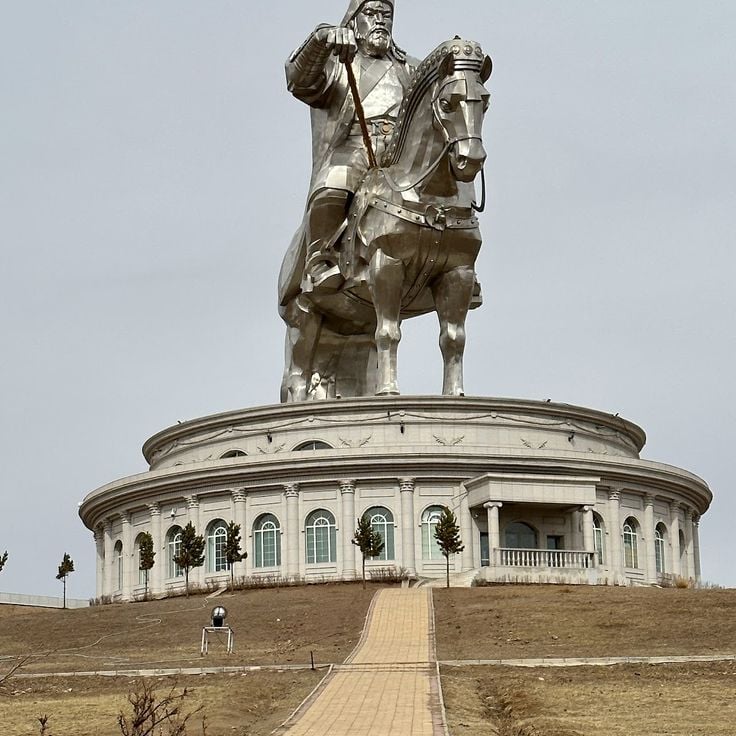
The Genghis Khan Statue stands as one of Mongolia's major sites to visit, a 40-meter-tall stainless steel equestrian monument built in 2008 on the banks of the Tuul River. This statue represents a key moment in how Mongolia presents its historical legacy to visitors. The figure of the great khan on horseback has become a landmark that draws people wanting to connect with the country's past and understand its place in regional history.
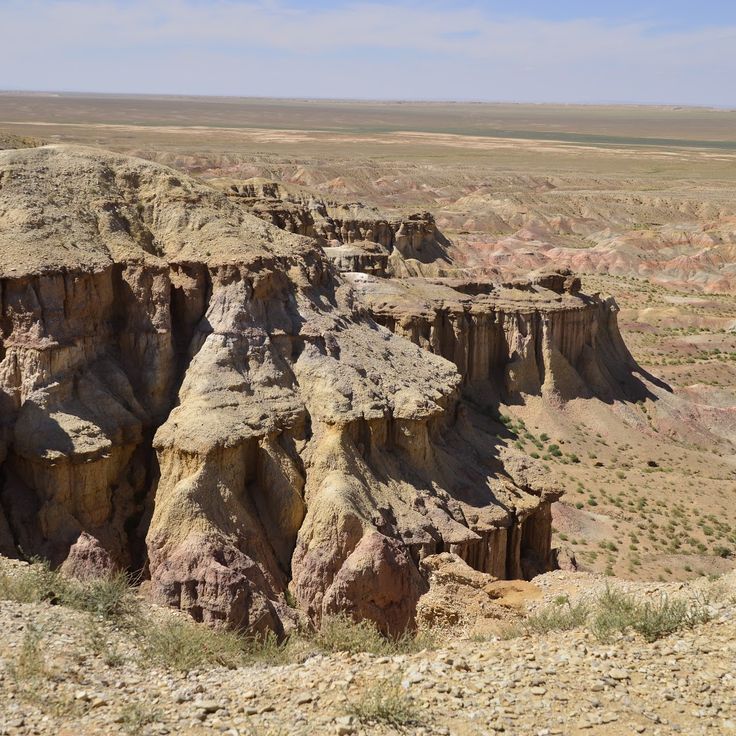
Tsagaan Suvraga is a limestone rock formation in the Gobi Desert. The white cliff face rises approximately 30 meters high. These white cliffs formed through erosion during prehistoric times when the sea covered this region. The formation reveals geological layers from Mongolia's ancient past.
Naiman Nuur National Park is a group of eight natural lakes set at 2500 meters altitude, part of Mongolia's range of protected areas. The park shows what the country's wilderness looks like with its larch forests and alpine meadows surrounding the waters. These lakes and their setting give you a sense of how diverse Mongolia's landscapes can be as you travel through them.
Gun Galuut Nature Reserve protects a large stretch of land in Mongolia and provides habitat for argali sheep and migratory birds. The reserve sits between mountains and plains where the landscape shifts. Many bird species stop here during their long journeys. Gun Galuut shows how Mongolia preserves its nature and gives wild animals space to live.
Ikh Bogd is a mountain in Mongolia and part of the country's major destinations that showcase its diverse landscapes. Rising to 3957 meters, this peak stands as a landmark shaped by geological forces. Two lakes were created here during an earthquake in 1957, and they remain as visible reminders of that natural event. Visitors to Ikh Bogd experience how the mountain's terrain reflects Mongolia's geological past and continues to shape the land today.
Khambiin Khiid Monastery is among Mongolia's spiritual sites and demonstrates the Buddhist tradition that has shaped the region for centuries. The monastery was founded in 1680 and sits on the slopes of Khogno Khan mountain at high altitude. The buildings blend religious function with their setting in the landscape. Monks still use these spaces for their daily practice, making the monastery a living center of faith.
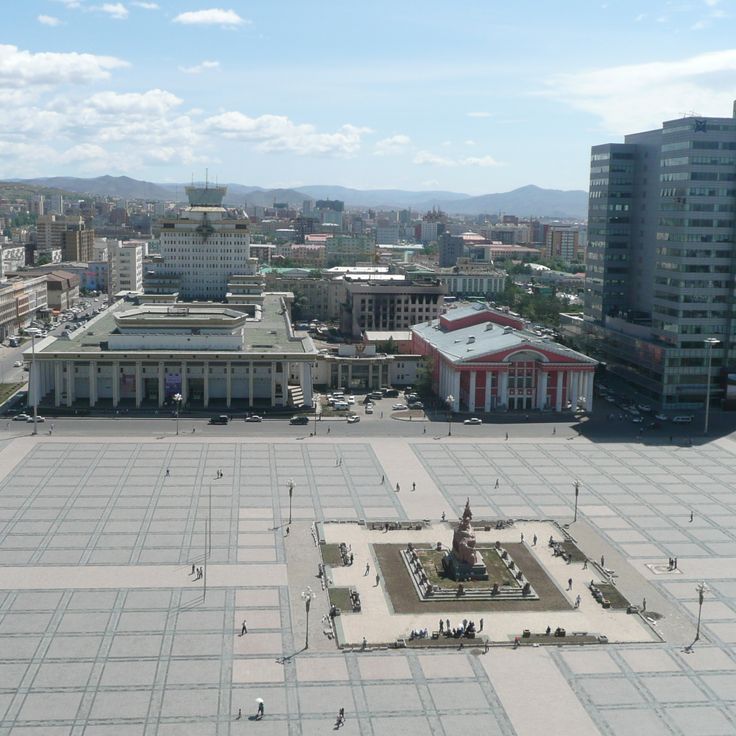
Sukhbaatar Square is the heart of Ulaanbaatar and represents the capital city within this collection of major sites to visit in Mongolia. The square is ringed by government buildings that shape the city's character. In the center stands an equestrian statue of Damdin Sukhbaatar, a pivotal figure in Mongolian history. The Mongolian Parliament rises to the north, anchoring the square as a place of national importance. This square shows how the city moves at its own pace, with a blend of Mongolia's political institutions and the everyday rhythm of people passing through.
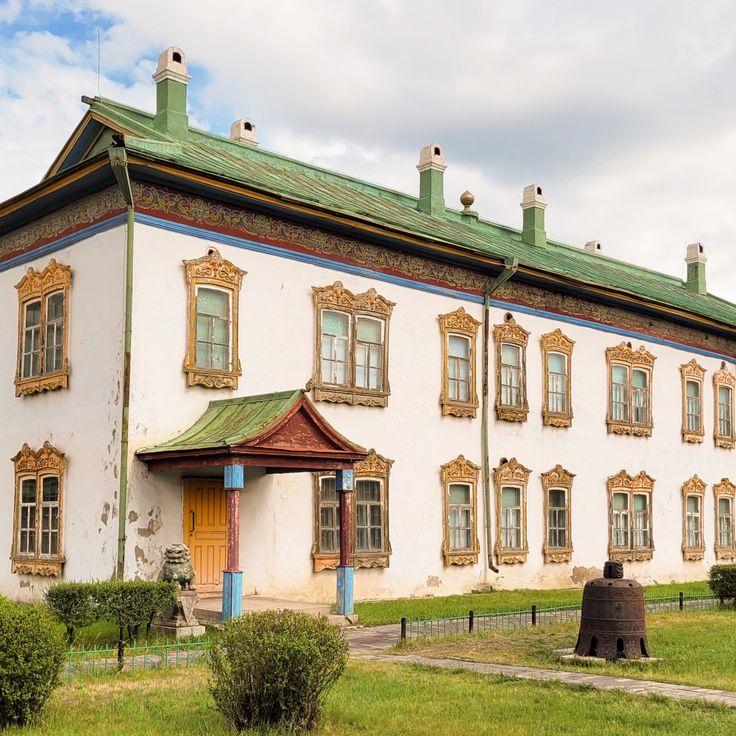
Bogd Khan Palace is a former winter palace built in 1893 that has become a museum. Inside, you will find personal items, diplomatic gifts, and artworks belonging to the royal family. The building shows how Mongolia's rulers lived and the connections they maintained with the outside world. The collections give insight into the country's history during a period of significant change.
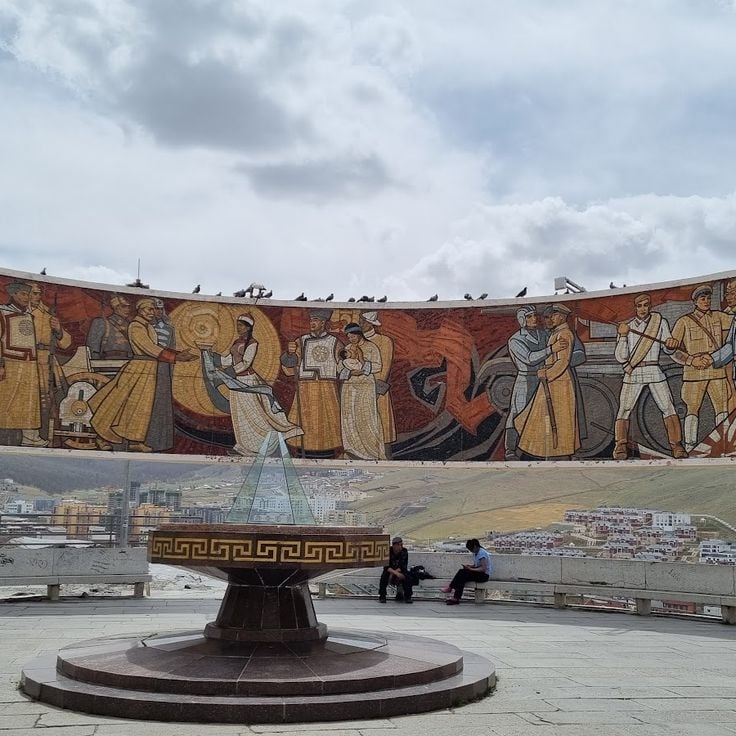
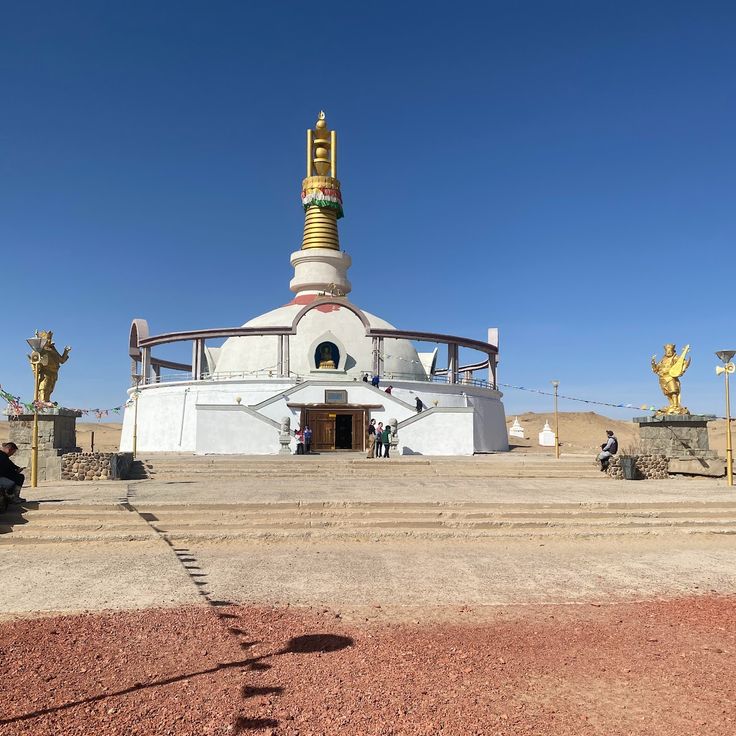
The Zaisan Memorial is a circular monument located on a hill in Ulaanbaatar, built to honor Soviet soldiers who died during World War II. The structure displays a large fresco and offers sweeping views of the city from its elevated position. It stands as a place where history and landscape meet, showing how Ulaanbaatar holds its past within the modern cityscape.
Gurvan Saikhan National Park sits within the Gobi Desert and shows how varied Mongolia's landscapes can be. The park holds deep canyons, mountain ranges, and valleys that cut through the desert terrain. Vultures and wild sheep live here in their natural habitat. The park is one of the protected areas that preserve Mongolia's wilderness and reveal what nature looks like in this region.
The Gobi Desert is a vast expanse of desert landscape stretching between Mongolia and northern China. For visitors exploring Mongolia's natural spaces, the Gobi shows how the country looks in its drier regions. Sand dunes and weathered rock formations define the terrain here, and temperatures shift dramatically across seasons. Winter temperatures can drop to -40°C, while summer heat climbs above 50°C. These extreme conditions have shaped a landscape where only certain plants and animals survive. Fossils and ancient remains hint at life forms that once existed here. The Gobi is a place where you directly feel the force of nature.
Lake Khövsgöl is Mongolia's deepest freshwater lake, situated in the northern part of the country near the Russian border. The water is clear and cold, and the setting makes it an important stop in this collection of major sites to visit. This lake draws people who seek a quieter experience than what other natural landscapes in Mongolia offer. Visitors come to enjoy the silence and watch the mountains that surround the water. The region around the lake sees fewer travelers than other national parks, and the light shifts across the water throughout the day. Those who camp or hike here discover that this place has its own pace and character.
Altai Tavan Bogd National Park is a protected area that holds the highest peaks in Mongolia and three major glaciers. Within the context of Mongolia's key destinations, this park demonstrates the geological diversity and wilderness that defines the country's landscape. Alpine meadows in the park serve as grazing grounds for Kazakh herders, reflecting the traditional way of life in this mountain region. The park offers a window into Mongolia's high alpine terrain and how people have adapted to these remote environments.
The Orkhon Valley appears in this collection of major sites to visit in Mongolia and reveals layers of geological history through its volcanic terrain. In this valley, you find the ruins of Karakorum, the former capital of the Mongol Empire, alongside Buddhist monasteries and burial monuments. The Orkhon Valley shows how the land itself holds stories of settlement and spiritual practice across centuries. Walking through it, you can sense the weight of history embedded in the rocks and structures.
Hustai Nuruu National Park sits in the Töv Province of Mongolia and is known for the return of the Przewalski horse to the wild. Visitors can walk through open steppe and spot these horses roaming freely, along with wolves, deer, and gazelles. The rolling grasslands change color with the seasons.
The Khongoryn Els are a series of sand dunes in Mongolia's Gobi Desert that stretch for 180 kilometers and reach heights of 300 meters. The wind creates distinct sounds as it moves across the dunes. These dunes are part of Mongolia's array of landscapes shaped by nature, ranging from vast deserts to mountain valleys. The Khongoryn Els show what the Gobi looks like at ground level - a place where sand formations and wind patterns create an ever-changing environment. Travelers come here to experience one of the desert's most remarkable features and understand the scale of Mongolia's wilderness.
Gorkhi-Terelj National Park sits about 40 kilometers from Ulaanbaatar and shows the varied landscapes that define Mongolia. Large rock formations rise from the ground, creating dramatic shapes against the sky. Alpine meadows spread across the terrain, open and green. A Buddhist monastery stands at the base of a mountain, connecting the natural landscape with the spiritual traditions that have shaped the region for centuries. Walking through the park, you pass between the rock formations and encounter views of surrounding mountains. The monastery remains an active place of practice, where monks continue their daily routines. This site represents the blend of nature and faith that visitors come to Mongolia to experience.
Ulaanbaatar is Mongolia's capital and largest city, sitting in a valley between four mountains where traditional temples stand alongside modern buildings. Walking through the city, you encounter markets, museums, and neighborhoods that show both Mongolia's past and its present transformation. The city has its own rhythm, with streets that blend old structures and contemporary architecture. This place reveals how Mongolia is balancing its spiritual traditions with the demands of modern urban life.
Amarbayasgalant Monastery is one of the major sites to visit in Mongolia that draws travelers seeking to understand the country's spiritual heritage. Founded in 1727, this monastery consists of 40 temples and buildings decorated with sculptures and paintings following Mongolian Buddhist traditions. The complex shows how Buddhist faith has shaped the region for centuries. Monks still gather here for daily practice, making this a living center of worship rather than merely a historical site. The buildings themselves reveal the relationship between faith and landscape that defines much of Mongolia's religious character.
Terkhiin Tsagaan Lake sits in Arkhangai Province and reveals Mongolia's volcanic past. This lake formed thousands of years ago when a volcanic eruption reshaped the land, and it covers roughly 16 square kilometers. The water glows deep blue while black basaltic rocks line the shores in sharp contrast. The lake fits into Mongolia's collection of natural landscapes shaped by geological forces. Visitors can see how nature's power continues to define the land, with the volcanic rocks telling the story of events that happened long ago.
Bayanzag is an area of red sandstone cliffs in Ömnögovi Province. Dinosaur bones and fossilized egg nests from the Late Cretaceous period were found here. The site shows Mongolia's geological story through its rock formations and the fossils preserved in the stone layers. Visitors come to explore the landscape and see traces of animals that lived here millions of years ago.
Yolyn Am is a narrow gorge in the Gobi Desert, fitting into this collection of major sites to visit in Mongolia. The gorge impresses with its vertical rock walls that tower overhead and create a dramatic setting. Bearded vultures live here, circling along the cliffs. In winter, ice persists in the lower sections, giving the gorge a different character.
Ongiin Khiid Monastery is a 17th-century Buddhist site that was destroyed in 1939. Today, ruins of two complexes remain along the banks of the Ongiin River, with foundations and walls marking where the monastery once stood. This site fits into Mongolia's collection of spiritual places, where Buddhist traditions have shaped the region for centuries. When you visit the ruins, you can trace how the monastery once fit into the landscape and what remains of its physical presence.
Khorgo Volcano is an extinct volcano rising to 2240 meters that dominates the landscape of central Mongolia. Its crater measures 200 meters across and descends 80 meters into the earth. Black lava flows spread for several kilometers across the surrounding terrain, creating a stark and distinctive terrain. This volcano is part of Mongolia's geological heritage, revealing the volcanic forces that shaped the Orkhon Valley region. Walking across the dark rock formations gives visitors a direct sense of the region's dramatic past and the raw power of nature.
Gandan Monastery is a Tibetan Buddhist monastery in Ulaanbaatar and represents one of the major spiritual centers showing Mongolia's Buddhist traditions. Founded in 1835, this monastery consists of several temples arranged across the complex. A towering Buddha statue reaches 26 meters high and stands visible from a distance. Today, more than 150 monks live here and practice their daily rituals, making this monastery a living center of faith rather than just a historical site.
Ikh Gazryn Chuluu is a granite formation in the eastern Gobi Desert that showcases the geological variety found across Mongolia. The site rises from the flat desert landscape with massive boulders creating natural caves and passages. Water sources at Ikh Gazryn Chuluu make it a significant location in this arid region. The exposed rock formations reveal the layers of time through their structure and composition.
Erdene Zuu Monastery in this collection of major sites showcases the Buddhist spirituality that shaped Mongolia for centuries. Built in 1585, it uses stones from the ancient city of Karakorum. The monastery features 108 white stupas arranged in a square pattern around three main temples at its center. Monks still practice here daily, making it a living center of faith. As you walk through the grounds, the architecture speaks to the way spiritual traditions fit into the landscape. The stones themselves carry traces of the ancient capital that once stood nearby.
The Deer Stones of Uushigiin Uver are a group of 14 stone slabs from the Bronze Age that stand among Mongolia's most important archaeological finds. Each stone is carved with images of deer and shows the artistic skills of ancient peoples who lived in this region. The steles range from 1.5 to 4 meters in height and serve as records of a civilization that shaped Mongolia's early history. These stones help visitors understand how people honored animals and created lasting monuments thousands of years ago.
Tövkhön Monastery is part of Mongolia's spiritual sites that reveal the Buddhist traditions shaping the region. Built in 1648 on the sacred mountain of Shireet Ulaan at 2312 meters elevation, this monastery includes several shrines and meditation caves nestled into the mountainside. Monks continue to use this space for daily practice, making it a living center of faith rather than just a historical site. The setting shows how the buildings fit into the surrounding land, with the structures and the mountain forming a single landscape.
Shankh Monastery is a religious center founded in 1647 by Zanabazar that fits into Mongolia's spiritual landscape. The monastery houses a collection of Buddhist texts and historical ritual objects that embody centuries of faith and tradition. This site shows how monasteries in the region function as living centers of Buddhist practice, where monks use these spaces for their daily work. The buildings tell stories through their architecture and the way they connect to the land around them, revealing Mongolia's religious past.
Orkhon Waterfalls are a natural feature you encounter while traveling through Mongolia's wilderness. The Ulaan Tsutgalan river drops about 16 meters over a rocky ledge, creating a powerful display of moving water. The flow originates from the Khangai Mountains and collects in a natural basin below the falls. This waterfall shows how water shapes the land and fits into the larger geological story of the Orkhon Valley. Visitors come here to witness the force of nature and understand how Mongolia's terrain formed over time.
The National History Museum displays Mongolia's history from prehistoric times to the present day. Its collection includes traditional clothing, weapons, and objects from nomadic life. The museum helps you understand how people here lived in the past and how the country has changed. The exhibitions show who Mongols are and what role they played in history.
Baga Gazryn Chuluu is a granite area in the Gobi Desert, part of Mongolia's array of landscapes shaped by nature and history. Located at about 1500 meters altitude, the rocks here have been sculpted by erosion into natural forms that catch your eye as you walk through the terrain. This place demonstrates how wind and water work on stone over centuries, creating the desert's distinctive rock formations. Visiting Baga Gazryn Chuluu gives you a chance to see how Mongolia's wilderness takes shape through geological processes.
The Genghis Khan Statue stands as one of Mongolia's major sites to visit, a 40-meter-tall stainless steel equestrian monument built in 2008 on the banks of the Tuul River. This statue represents a key moment in how Mongolia presents its historical legacy to visitors. The figure of the great khan on horseback has become a landmark that draws people wanting to connect with the country's past and understand its place in regional history.
Tsagaan Suvraga is a limestone rock formation in the Gobi Desert. The white cliff face rises approximately 30 meters high. These white cliffs formed through erosion during prehistoric times when the sea covered this region. The formation reveals geological layers from Mongolia's ancient past.
Naiman Nuur National Park is a group of eight natural lakes set at 2500 meters altitude, part of Mongolia's range of protected areas. The park shows what the country's wilderness looks like with its larch forests and alpine meadows surrounding the waters. These lakes and their setting give you a sense of how diverse Mongolia's landscapes can be as you travel through them.
Gun Galuut Nature Reserve protects a large stretch of land in Mongolia and provides habitat for argali sheep and migratory birds. The reserve sits between mountains and plains where the landscape shifts. Many bird species stop here during their long journeys. Gun Galuut shows how Mongolia preserves its nature and gives wild animals space to live.
Ikh Bogd is a mountain in Mongolia and part of the country's major destinations that showcase its diverse landscapes. Rising to 3957 meters, this peak stands as a landmark shaped by geological forces. Two lakes were created here during an earthquake in 1957, and they remain as visible reminders of that natural event. Visitors to Ikh Bogd experience how the mountain's terrain reflects Mongolia's geological past and continues to shape the land today.
Khambiin Khiid Monastery is among Mongolia's spiritual sites and demonstrates the Buddhist tradition that has shaped the region for centuries. The monastery was founded in 1680 and sits on the slopes of Khogno Khan mountain at high altitude. The buildings blend religious function with their setting in the landscape. Monks still use these spaces for their daily practice, making the monastery a living center of faith.
Sukhbaatar Square is the heart of Ulaanbaatar and represents the capital city within this collection of major sites to visit in Mongolia. The square is ringed by government buildings that shape the city's character. In the center stands an equestrian statue of Damdin Sukhbaatar, a pivotal figure in Mongolian history. The Mongolian Parliament rises to the north, anchoring the square as a place of national importance. This square shows how the city moves at its own pace, with a blend of Mongolia's political institutions and the everyday rhythm of people passing through.
Bogd Khan Palace is a former winter palace built in 1893 that has become a museum. Inside, you will find personal items, diplomatic gifts, and artworks belonging to the royal family. The building shows how Mongolia's rulers lived and the connections they maintained with the outside world. The collections give insight into the country's history during a period of significant change.
The Zaisan Memorial is a circular monument located on a hill in Ulaanbaatar, built to honor Soviet soldiers who died during World War II. The structure displays a large fresco and offers sweeping views of the city from its elevated position. It stands as a place where history and landscape meet, showing how Ulaanbaatar holds its past within the modern cityscape.
Gurvan Saikhan National Park sits within the Gobi Desert and shows how varied Mongolia's landscapes can be. The park holds deep canyons, mountain ranges, and valleys that cut through the desert terrain. Vultures and wild sheep live here in their natural habitat. The park is one of the protected areas that preserve Mongolia's wilderness and reveal what nature looks like in this region.
The Gobi Desert is a vast expanse of desert landscape stretching between Mongolia and northern China. For visitors exploring Mongolia's natural spaces, the Gobi shows how the country looks in its drier regions. Sand dunes and weathered rock formations define the terrain here, and temperatures shift dramatically across seasons. Winter temperatures can drop to -40°C, while summer heat climbs above 50°C. These extreme conditions have shaped a landscape where only certain plants and animals survive. Fossils and ancient remains hint at life forms that once existed here. The Gobi is a place where you directly feel the force of nature.
Lake Khövsgöl is Mongolia's deepest freshwater lake, situated in the northern part of the country near the Russian border. The water is clear and cold, and the setting makes it an important stop in this collection of major sites to visit. This lake draws people who seek a quieter experience than what other natural landscapes in Mongolia offer. Visitors come to enjoy the silence and watch the mountains that surround the water. The region around the lake sees fewer travelers than other national parks, and the light shifts across the water throughout the day. Those who camp or hike here discover that this place has its own pace and character.
Altai Tavan Bogd National Park is a protected area that holds the highest peaks in Mongolia and three major glaciers. Within the context of Mongolia's key destinations, this park demonstrates the geological diversity and wilderness that defines the country's landscape. Alpine meadows in the park serve as grazing grounds for Kazakh herders, reflecting the traditional way of life in this mountain region. The park offers a window into Mongolia's high alpine terrain and how people have adapted to these remote environments.
The Orkhon Valley appears in this collection of major sites to visit in Mongolia and reveals layers of geological history through its volcanic terrain. In this valley, you find the ruins of Karakorum, the former capital of the Mongol Empire, alongside Buddhist monasteries and burial monuments. The Orkhon Valley shows how the land itself holds stories of settlement and spiritual practice across centuries. Walking through it, you can sense the weight of history embedded in the rocks and structures.
Hustai Nuruu National Park sits in the Töv Province of Mongolia and is known for the return of the Przewalski horse to the wild. Visitors can walk through open steppe and spot these horses roaming freely, along with wolves, deer, and gazelles. The rolling grasslands change color with the seasons.
The Khongoryn Els are a series of sand dunes in Mongolia's Gobi Desert that stretch for 180 kilometers and reach heights of 300 meters. The wind creates distinct sounds as it moves across the dunes. These dunes are part of Mongolia's array of landscapes shaped by nature, ranging from vast deserts to mountain valleys. The Khongoryn Els show what the Gobi looks like at ground level - a place where sand formations and wind patterns create an ever-changing environment. Travelers come here to experience one of the desert's most remarkable features and understand the scale of Mongolia's wilderness.
Gorkhi-Terelj National Park sits about 40 kilometers from Ulaanbaatar and shows the varied landscapes that define Mongolia. Large rock formations rise from the ground, creating dramatic shapes against the sky. Alpine meadows spread across the terrain, open and green. A Buddhist monastery stands at the base of a mountain, connecting the natural landscape with the spiritual traditions that have shaped the region for centuries. Walking through the park, you pass between the rock formations and encounter views of surrounding mountains. The monastery remains an active place of practice, where monks continue their daily routines. This site represents the blend of nature and faith that visitors come to Mongolia to experience.
Ulaanbaatar is Mongolia's capital and largest city, sitting in a valley between four mountains where traditional temples stand alongside modern buildings. Walking through the city, you encounter markets, museums, and neighborhoods that show both Mongolia's past and its present transformation. The city has its own rhythm, with streets that blend old structures and contemporary architecture. This place reveals how Mongolia is balancing its spiritual traditions with the demands of modern urban life.
Amarbayasgalant Monastery is one of the major sites to visit in Mongolia that draws travelers seeking to understand the country's spiritual heritage. Founded in 1727, this monastery consists of 40 temples and buildings decorated with sculptures and paintings following Mongolian Buddhist traditions. The complex shows how Buddhist faith has shaped the region for centuries. Monks still gather here for daily practice, making this a living center of worship rather than merely a historical site. The buildings themselves reveal the relationship between faith and landscape that defines much of Mongolia's religious character.
Terkhiin Tsagaan Lake sits in Arkhangai Province and reveals Mongolia's volcanic past. This lake formed thousands of years ago when a volcanic eruption reshaped the land, and it covers roughly 16 square kilometers. The water glows deep blue while black basaltic rocks line the shores in sharp contrast. The lake fits into Mongolia's collection of natural landscapes shaped by geological forces. Visitors can see how nature's power continues to define the land, with the volcanic rocks telling the story of events that happened long ago.
Bayanzag is an area of red sandstone cliffs in Ömnögovi Province. Dinosaur bones and fossilized egg nests from the Late Cretaceous period were found here. The site shows Mongolia's geological story through its rock formations and the fossils preserved in the stone layers. Visitors come to explore the landscape and see traces of animals that lived here millions of years ago.
Yolyn Am is a narrow gorge in the Gobi Desert, fitting into this collection of major sites to visit in Mongolia. The gorge impresses with its vertical rock walls that tower overhead and create a dramatic setting. Bearded vultures live here, circling along the cliffs. In winter, ice persists in the lower sections, giving the gorge a different character.
Ongiin Khiid Monastery is a 17th-century Buddhist site that was destroyed in 1939. Today, ruins of two complexes remain along the banks of the Ongiin River, with foundations and walls marking where the monastery once stood. This site fits into Mongolia's collection of spiritual places, where Buddhist traditions have shaped the region for centuries. When you visit the ruins, you can trace how the monastery once fit into the landscape and what remains of its physical presence.
Khorgo Volcano is an extinct volcano rising to 2240 meters that dominates the landscape of central Mongolia. Its crater measures 200 meters across and descends 80 meters into the earth. Black lava flows spread for several kilometers across the surrounding terrain, creating a stark and distinctive terrain. This volcano is part of Mongolia's geological heritage, revealing the volcanic forces that shaped the Orkhon Valley region. Walking across the dark rock formations gives visitors a direct sense of the region's dramatic past and the raw power of nature.
Gandan Monastery is a Tibetan Buddhist monastery in Ulaanbaatar and represents one of the major spiritual centers showing Mongolia's Buddhist traditions. Founded in 1835, this monastery consists of several temples arranged across the complex. A towering Buddha statue reaches 26 meters high and stands visible from a distance. Today, more than 150 monks live here and practice their daily rituals, making this monastery a living center of faith rather than just a historical site.
Ikh Gazryn Chuluu is a granite formation in the eastern Gobi Desert that showcases the geological variety found across Mongolia. The site rises from the flat desert landscape with massive boulders creating natural caves and passages. Water sources at Ikh Gazryn Chuluu make it a significant location in this arid region. The exposed rock formations reveal the layers of time through their structure and composition.
Erdene Zuu Monastery in this collection of major sites showcases the Buddhist spirituality that shaped Mongolia for centuries. Built in 1585, it uses stones from the ancient city of Karakorum. The monastery features 108 white stupas arranged in a square pattern around three main temples at its center. Monks still practice here daily, making it a living center of faith. As you walk through the grounds, the architecture speaks to the way spiritual traditions fit into the landscape. The stones themselves carry traces of the ancient capital that once stood nearby.
The Deer Stones of Uushigiin Uver are a group of 14 stone slabs from the Bronze Age that stand among Mongolia's most important archaeological finds. Each stone is carved with images of deer and shows the artistic skills of ancient peoples who lived in this region. The steles range from 1.5 to 4 meters in height and serve as records of a civilization that shaped Mongolia's early history. These stones help visitors understand how people honored animals and created lasting monuments thousands of years ago.
Tövkhön Monastery is part of Mongolia's spiritual sites that reveal the Buddhist traditions shaping the region. Built in 1648 on the sacred mountain of Shireet Ulaan at 2312 meters elevation, this monastery includes several shrines and meditation caves nestled into the mountainside. Monks continue to use this space for daily practice, making it a living center of faith rather than just a historical site. The setting shows how the buildings fit into the surrounding land, with the structures and the mountain forming a single landscape.
Shankh Monastery is a religious center founded in 1647 by Zanabazar that fits into Mongolia's spiritual landscape. The monastery houses a collection of Buddhist texts and historical ritual objects that embody centuries of faith and tradition. This site shows how monasteries in the region function as living centers of Buddhist practice, where monks use these spaces for their daily work. The buildings tell stories through their architecture and the way they connect to the land around them, revealing Mongolia's religious past.
Orkhon Waterfalls are a natural feature you encounter while traveling through Mongolia's wilderness. The Ulaan Tsutgalan river drops about 16 meters over a rocky ledge, creating a powerful display of moving water. The flow originates from the Khangai Mountains and collects in a natural basin below the falls. This waterfall shows how water shapes the land and fits into the larger geological story of the Orkhon Valley. Visitors come here to witness the force of nature and understand how Mongolia's terrain formed over time.
The National History Museum displays Mongolia's history from prehistoric times to the present day. Its collection includes traditional clothing, weapons, and objects from nomadic life. The museum helps you understand how people here lived in the past and how the country has changed. The exhibitions show who Mongols are and what role they played in history.
Baga Gazryn Chuluu is a granite area in the Gobi Desert, part of Mongolia's array of landscapes shaped by nature and history. Located at about 1500 meters altitude, the rocks here have been sculpted by erosion into natural forms that catch your eye as you walk through the terrain. This place demonstrates how wind and water work on stone over centuries, creating the desert's distinctive rock formations. Visiting Baga Gazryn Chuluu gives you a chance to see how Mongolia's wilderness takes shape through geological processes.
The Genghis Khan Statue stands as one of Mongolia's major sites to visit, a 40-meter-tall stainless steel equestrian monument built in 2008 on the banks of the Tuul River. This statue represents a key moment in how Mongolia presents its historical legacy to visitors. The figure of the great khan on horseback has become a landmark that draws people wanting to connect with the country's past and understand its place in regional history.
Tsagaan Suvraga is a limestone rock formation in the Gobi Desert. The white cliff face rises approximately 30 meters high. These white cliffs formed through erosion during prehistoric times when the sea covered this region. The formation reveals geological layers from Mongolia's ancient past.
Naiman Nuur National Park is a group of eight natural lakes set at 2500 meters altitude, part of Mongolia's range of protected areas. The park shows what the country's wilderness looks like with its larch forests and alpine meadows surrounding the waters. These lakes and their setting give you a sense of how diverse Mongolia's landscapes can be as you travel through them.
Gun Galuut Nature Reserve protects a large stretch of land in Mongolia and provides habitat for argali sheep and migratory birds. The reserve sits between mountains and plains where the landscape shifts. Many bird species stop here during their long journeys. Gun Galuut shows how Mongolia preserves its nature and gives wild animals space to live.
Ikh Bogd is a mountain in Mongolia and part of the country's major destinations that showcase its diverse landscapes. Rising to 3957 meters, this peak stands as a landmark shaped by geological forces. Two lakes were created here during an earthquake in 1957, and they remain as visible reminders of that natural event. Visitors to Ikh Bogd experience how the mountain's terrain reflects Mongolia's geological past and continues to shape the land today.
Khambiin Khiid Monastery is among Mongolia's spiritual sites and demonstrates the Buddhist tradition that has shaped the region for centuries. The monastery was founded in 1680 and sits on the slopes of Khogno Khan mountain at high altitude. The buildings blend religious function with their setting in the landscape. Monks still use these spaces for their daily practice, making the monastery a living center of faith.
Sukhbaatar Square is the heart of Ulaanbaatar and represents the capital city within this collection of major sites to visit in Mongolia. The square is ringed by government buildings that shape the city's character. In the center stands an equestrian statue of Damdin Sukhbaatar, a pivotal figure in Mongolian history. The Mongolian Parliament rises to the north, anchoring the square as a place of national importance. This square shows how the city moves at its own pace, with a blend of Mongolia's political institutions and the everyday rhythm of people passing through.
Bogd Khan Palace is a former winter palace built in 1893 that has become a museum. Inside, you will find personal items, diplomatic gifts, and artworks belonging to the royal family. The building shows how Mongolia's rulers lived and the connections they maintained with the outside world. The collections give insight into the country's history during a period of significant change.
The Zaisan Memorial is a circular monument located on a hill in Ulaanbaatar, built to honor Soviet soldiers who died during World War II. The structure displays a large fresco and offers sweeping views of the city from its elevated position. It stands as a place where history and landscape meet, showing how Ulaanbaatar holds its past within the modern cityscape.