Gobi Desert, Desert between northern China and southern Mongolia
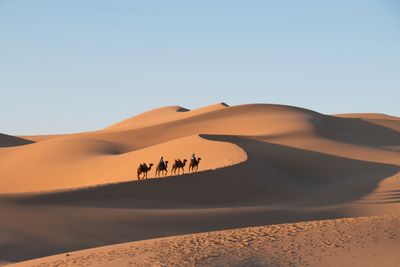
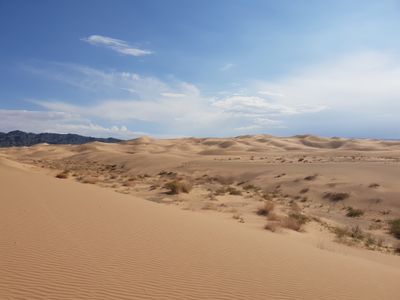
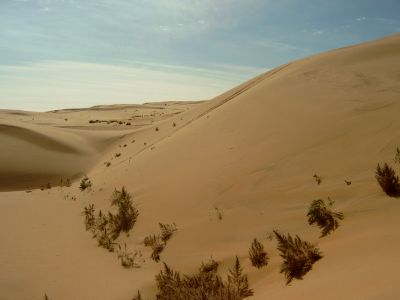
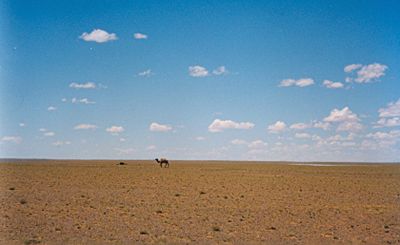
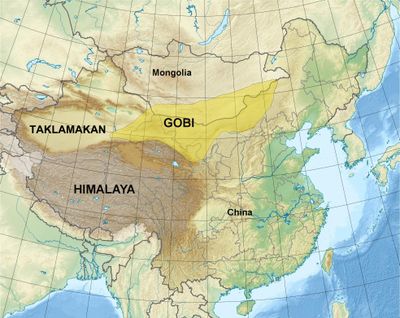
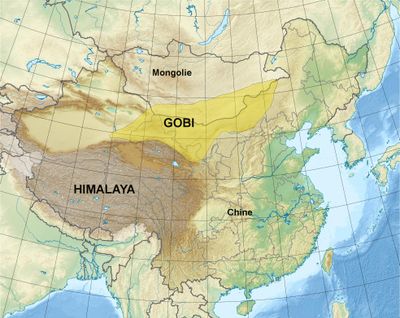
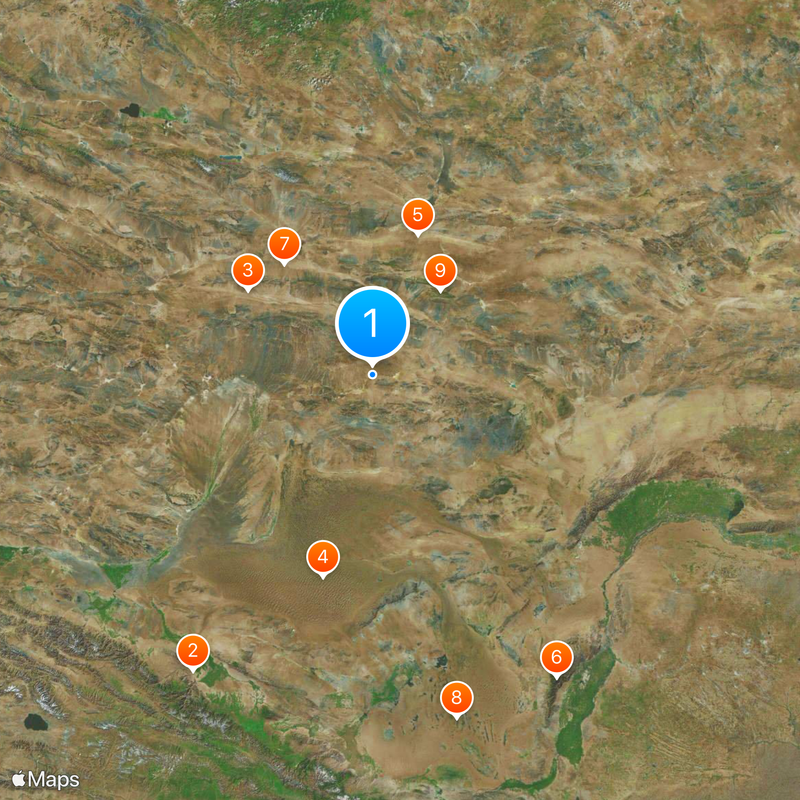
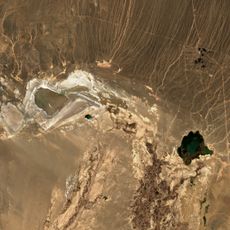
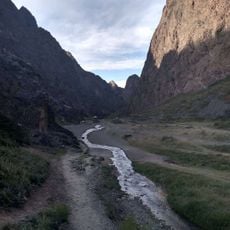
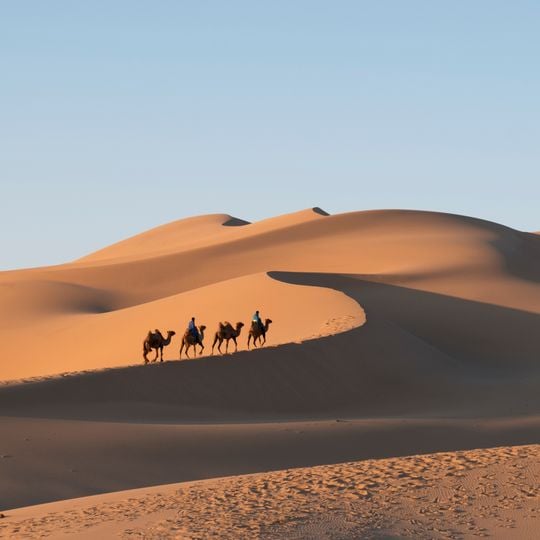
This desert spreads across roughly one million square kilometers between Mongolia and northern China, formed by sand dunes, gravel plains, and rocky mountain ranges. Wide expanses alternate with rugged hills, and the terrain shifts between open stony flats and scattered sand seas shaped by constant wind.
The region served as part of ancient trade routes linking China with Central Asia, where merchants moved silk, spices, and other goods through harsh conditions. In later centuries, the area became a refuge for monasteries and a boundary zone between competing empires.
Nomadic groups move through the area with their herds, following routes shaped by water sources and seasonal grazing needs. Visitors can stop at camps, share tea in felt tents, and observe how families manage livestock and daily routines with minimal possessions.
Temperatures swing from minus 40 degrees Celsius in winter to plus 45 degrees Celsius in summer, so clothing needs to adapt to extremes. Water and supplies should always be carried, as settlements are far apart and fuel stations are few.
Researchers found the first known dinosaur eggs here, making the area an important site for paleontologists studying ancient life. Some fossil beds lie in remote areas and become more accessible after rains, when the ground reveals fresh specimens.
The community of curious travelers
AroundUs brings together thousands of curated places, local tips, and hidden gems, enriched daily by 90,830 contributors worldwide.