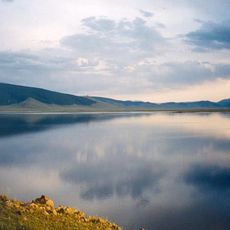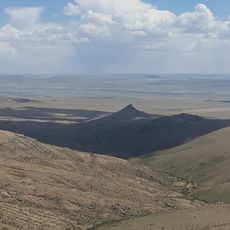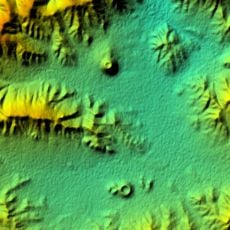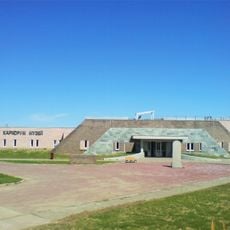
Orkhon Valley, UNESCO World Heritage Site in central Mongolia
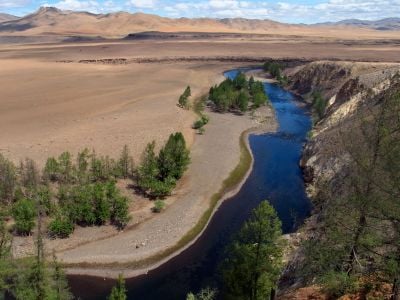
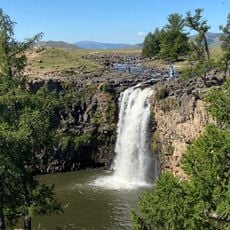
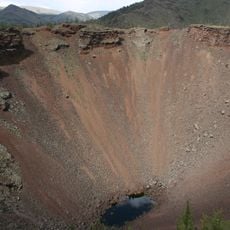
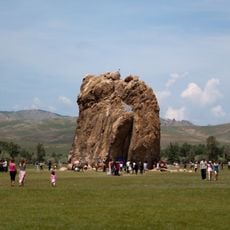
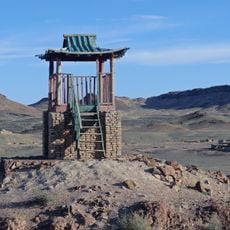
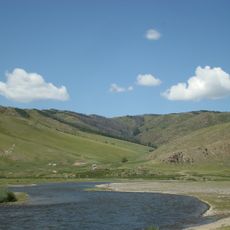
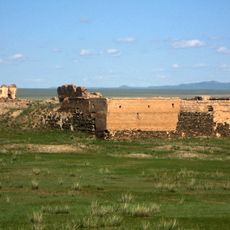
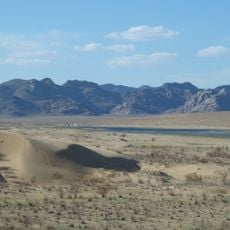
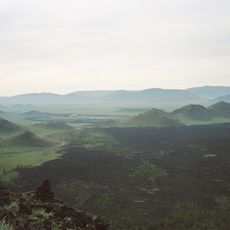
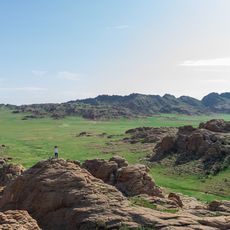
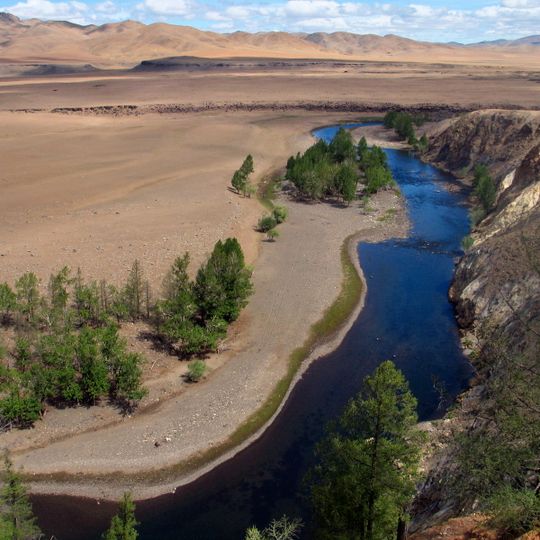
Orkhon Valley spreads across a large area along the Orkhon River, connecting mountains, grasslands, and archaeological remains from different periods. Stone monuments, abandoned cities, and an active monastery dot the landscape, reflecting the different eras that shaped this place.
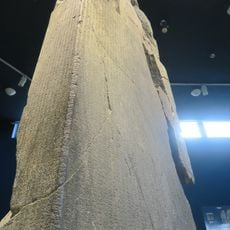
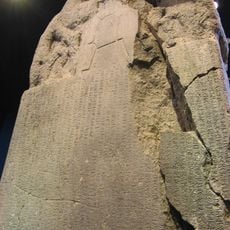
The valley served as a center for different empires, including the Göktürk state, which left stone inscriptions in the 8th century. Over centuries, nomadic peoples shaped this region before Buddhist monasteries later transformed its spiritual life.
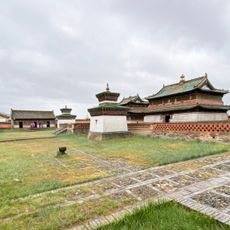
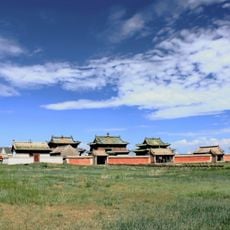
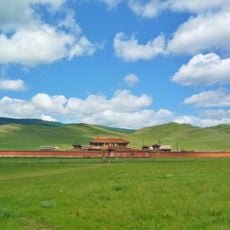
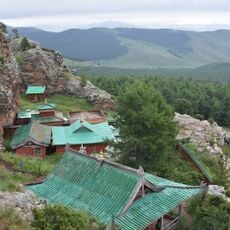
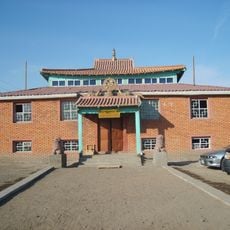
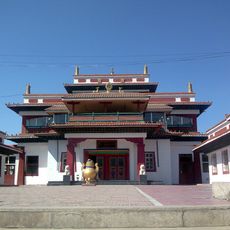
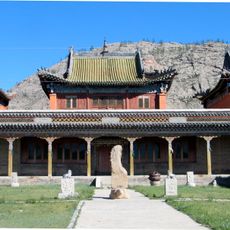
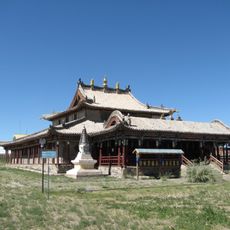
The Erdene Zuu Monastery shows how Buddhism took root in Mongolia and continues to draw visitors today. Monks shape daily life in this valley, and their buildings stand among the ruins of much older settlements.
Visitors explore the valley best with an experienced guide and stay in traditional gers, the nomadic tents of the region. Summer is the ideal time to visit, when paths are dry and horseback travel across the steppes is manageable.
The Orkhon inscriptions are written in three different languages and document the deeds of ancient rulers with remarkable accuracy. These texts are the oldest known records of Turkic writing and offer glimpses into a world long gone.
The community of curious travelers
AroundUs brings together thousands of curated places, local tips, and hidden gems, enriched daily by 91,944 contributors worldwide.