Tuul River, Sacred river in central Mongolia
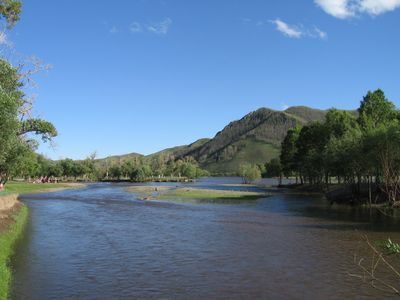
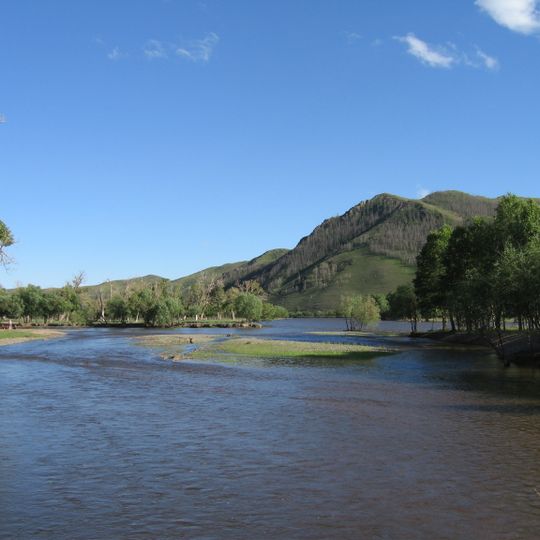
The Tuul River is a river in central Mongolia that originates in the Khentii Mountains and flows roughly 700 kilometers southwest through Ulaanbaatar. It eventually joins the Orkhon River and is lined with willow forests that form distinctive ecosystems along its course.
This waterway appears in Chinese historical records from the 7th century as the Duluo River, showing its early importance to the region. Its consistent use over many centuries established it as central to local settlement and survival patterns.
The Mongols call this river Khatan Tuul, meaning Queen Tuul, showing its importance in local tradition and daily life. People along its course depend on the water and use the willow-lined banks as part of their seasonal rhythm and livelihood.
The water freezes from mid-November to mid-April, limiting access and use for communities in the area. Visitors should plan around these seasonal conditions, which affect how people interact with and cross the river throughout the year.
The river supports populations of endangered sturgeon species found in few other Asian river systems, making it an important refuge for these fish. These populations face pressure from urban growth and mining activities that have expanded in the surrounding region.
The community of curious travelers
AroundUs brings together thousands of curated places, local tips, and hidden gems, enriched daily by 92,714 contributors worldwide.