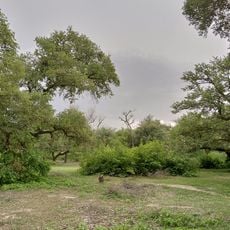
Durbi Takusheyi, Archaeological burial site near Katsina, Nigeria
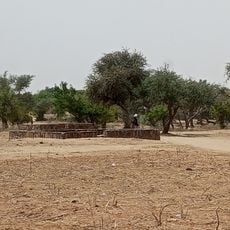
Durbi Takusheyi is an archaeological burial site near Katsina with eight large mounds arranged in a specific pattern that reveals how people buried their dead in ancient northern Nigeria. The structure of these mounds provides information about burial customs and social practices of that time.
The site was first studied in 1907 by Herbert Richmond Palmer and later researched again in 1992, uncovering artifacts from the 13th to 16th centuries. These findings help understand the settlement and cultural development of the region during the medieval period.
The burial goods show trade connections between local Hausa communities and distant Islamic regions through metal, glass, and stone items found in the tombs.
Access to the site must be arranged through local authorities and the National Commission for Museums and Monuments beforehand. It is helpful to hire a local guide who knows the mounds and can explain what you are looking at.
Three of the excavated mounds each held a single burial with carefully arranged items such as cowries, cloth, wood, and metal objects. This deliberate placement suggests beliefs about the afterlife and what the deceased needed for their journey.
The community of curious travelers
AroundUs brings together thousands of curated places, local tips, and hidden gems, enriched daily by 91,269 contributors worldwide.